


The Battery Cost Hurdle
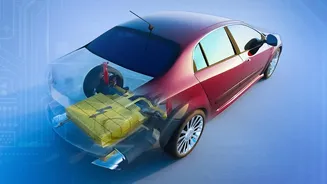
For years, the biggest barrier to mass EV adoption in India has been the price tag. A significant portion of this cost, often accounting for 30-40% of the entire vehicle's price, comes from the battery pack. India has historically been dependent on imports
for lithium-ion cells, primarily from China, which kept costs high and vulnerable to global supply chain disruptions. This dependency meant that fluctuations in the global prices of raw materials like lithium, cobalt, and nickel had a direct and often sharp impact on the final showroom price of an EV in India. Breaking this cost barrier is essential for making electric cars a viable option for the average Indian buyer.
A Plunge in Key Material Prices
A crucial development has been the significant drop in the prices of key battery minerals from their peaks. After a surge in 2022, lithium prices, for instance, saw a major correction. This decline was driven by a combination of new supply coming online and a temporary slowdown in EV sales growth in major markets like China and Europe. While prices for materials like lithium have shown some recovery in 2026, they remain well below their all-time highs, providing a crucial cost cushion for battery manufacturers. This global trend of lower input costs is the first step in a chain reaction that ultimately leads to more affordable batteries.
The Rise of Cheaper Chemistries
Beyond just the price of raw materials, the type of battery chemistry used plays a massive role in cost. Automakers in India are increasingly adopting Lithium Iron Phosphate (LFP) batteries, especially for entry-level models. LFP batteries don't use expensive and controversial cobalt and are known for their safety and long lifespan, making them a perfect fit for the Indian market. Looking even further ahead, sodium-ion battery technology is emerging as a potential game-changer. Sodium is far more abundant and cheaper than lithium, which could lead to even more significant cost reductions in the future. Several companies are actively developing this technology, which could be ideal for budget-friendly city cars.
Local Manufacturing Gets a Boost
The Indian government has been actively pushing for domestic battery manufacturing to reduce import dependency and capture more value locally. The Production-Linked Incentive (PLI) scheme for Advanced Chemistry Cell (ACC) battery storage is a cornerstone of this strategy, aiming to establish 50 GWh of domestic manufacturing capacity. By incentivising companies to build large-scale battery factories in India, the scheme aims to create a self-reliant ecosystem. This not only creates jobs but also helps bring down costs through economies of scale. Furthermore, follow-up schemes are being planned to encourage the domestic production of battery components like cathodes and anodes, further strengthening the local supply chain.
What This Means for Indian Car Buyers
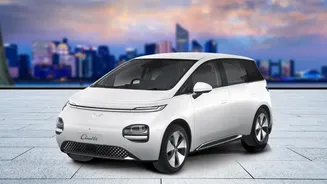
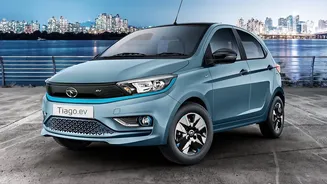
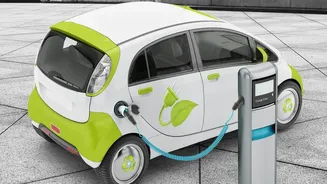
The combination of cheaper raw materials, the shift to cost-effective LFP and sodium-ion chemistries, and a growing domestic manufacturing base is starting to bear fruit. The market now has several electric cars available for under ₹10 lakh, including popular models like the Tata Tiago EV and MG Comet EV. This trend is set to accelerate, with major automakers like Hyundai, Maruti Suzuki, and Renault all planning to launch new, affordable EVs in India between 2026 and 2028. As battery costs continue to fall, the price gap between petrol-powered cars and their electric counterparts will narrow, making the decision to switch to electric easier and more financially sensible for millions of Indians.