




Why Bananas? The Kitchen-Waste Wonder
Before you dismiss this as just another gardening myth, let's look at the science. Banana peels are incredibly rich in potassium, a crucial macronutrient for plants. While nitrogen encourages leafy growth, potassium is the superstar when it comes to flowers
and fruits. It regulates water and nutrient transport within the plant, strengthens cell walls, and plays a vital role in photosynthesis. Think of it as the key that unlocks a plant's ability to produce bigger, brighter, and more abundant blooms. Banana peels also contain smaller amounts of phosphorus, magnesium, and calcium, making them a well-rounded, gentle supplement for your potted plants. By using them, you're not just feeding your plants for free; you're also reducing kitchen waste in a smart, eco-friendly way.
Method 1: The Simple Banana Peel Tea
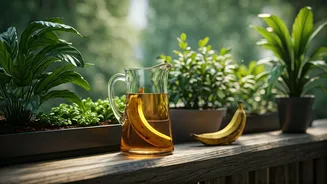
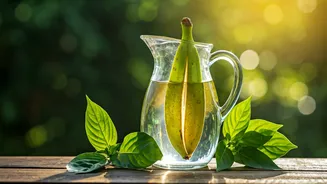
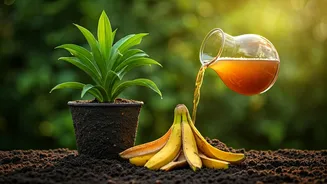
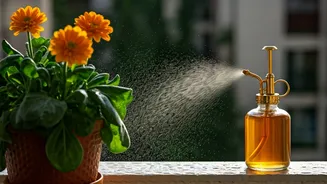
This is the easiest and most popular method for creating a liquid banana fertilizer. It’s clean, quick, and perfect for regular watering routines. 1. **Collect & Chop:** Take the peels from 1-2 bananas and chop them into small pieces. The smaller the pieces, the more surface area is exposed, allowing more nutrients to leach into the water. 2. **Soak:** Place the chopped peels in a large jar and fill it with about one litre of water. Seal the jar and leave it in a cool, dark place for 2-3 days. The water will turn a light brownish colour as the nutrients are released. 3. **Strain & Dilute:** After a few days, strain the liquid to remove the peel pieces (you can add these to your compost). Dilute the resulting 'tea' with an equal amount of fresh water. This prevents the solution from being too concentrated. 4. **Use:** Water your plants with this banana tea once every 15 days during their growing or flowering season. Pour it directly onto the soil around the base of the plant.
Method 2: The Chop and Bury Technique
If you prefer a 'set it and forget it' approach, this slow-release method is for you. It involves adding the peels directly to the soil. 1. **Chop Finely:** Cut fresh banana peels into very small, one-inch pieces. This is crucial for helping them decompose quickly and to avoid attracting pests. 2. **Bury Correctly:** Dig a small trench or a few holes about 2-3 inches deep in the soil of your pot, away from the main stem and roots of the plant. 3. **Place and Cover:** Drop the peel pieces into the holes and cover them completely with soil. Covering them properly is key to preventing fungus gnats or fruit flies from gathering. The peels will slowly break down over several weeks, releasing nutrients directly into the root zone. This method is best done when you are repotting a plant, as you can layer the peels at the bottom of the new pot.
Method 3: The Dried Peel Powder
For a storable, potent fertilizer you can make in batches, drying the peels is an excellent option. 1. **Dry the Peels:** You can dry banana peels in several ways. The easiest is to lay them on a plate and leave them in a sunny, airy spot on your balcony for a few days until they are black, brittle, and completely dry. Alternatively, you can bake them on a low heat in an oven until they are crispy. 2. **Grind to Powder:** Once the peels are fully dehydrated, break them into smaller pieces and blitz them in a mixer-grinder until you have a fine powder. 3. **Store:** Keep the powder in an airtight container. It will last for months. 4. **Use:** To use it, simply sprinkle 1-2 teaspoons of the powder on the topsoil of your pot and mix it in gently. Water the plant as usual. You can do this once a month to give your plants a consistent nutrient boost.
Best Plants and Common Mistakes
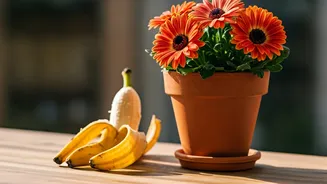
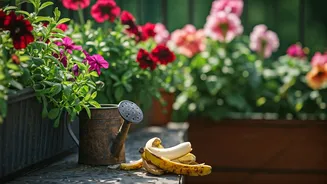
This homemade fertilizer works wonders for heavy-feeding flowering plants common in Indian balconies, such as hibiscus, roses, bougainvillea, jasmine (mogra), and ixora. It's also great for fruiting plants like tomatoes or chillies if you grow them. While it won't harm foliage plants like money plants or snake plants, its high-potassium nature is specifically geared towards promoting blooms rather than lush leaves. **Avoid these mistakes:** * **Don't use whole peels:** Never just toss a whole peel on top of the soil. It decomposes slowly, looks unsightly, and is a magnet for pests. * **Don't overdo it:** Like any fertilizer, too much can be a bad thing. Stick to a schedule of once every 2-4 weeks. * **It's not a complete meal:** Banana fertilizer is a great supplement, but it lacks significant nitrogen. For balanced growth, you should still use a regular, all-purpose fertilizer or compost.