




The Illusion of Freedom
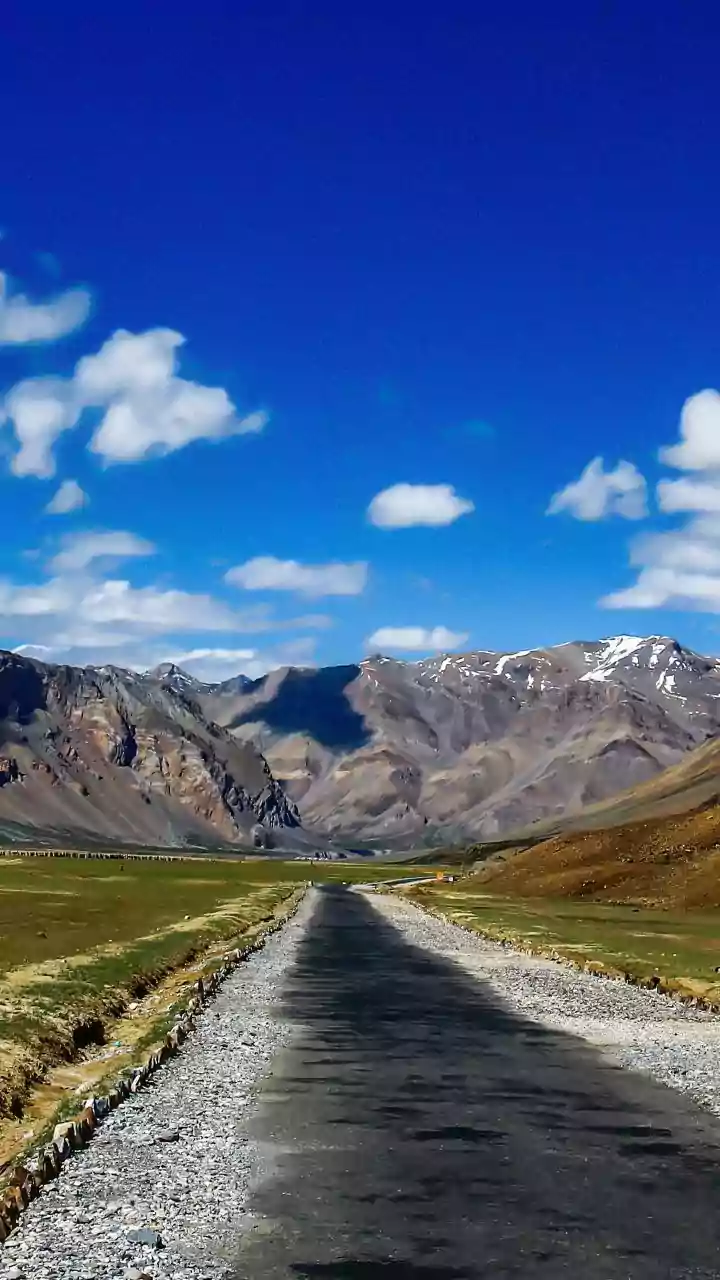
The promise of working from anywhere is one of ultimate freedom. Yet, this very flexibility can become a trap. Without the physical separation of an office, the boundaries between work and leisure dissolve entirely. Your Goan beach hut or Himalayan homestay
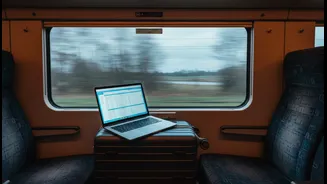
is no longer just a vacation spot; it's also your office, your meeting room, and your canteen. This constant overlap means the mind never truly disconnects. Every moment of relaxation can be tinged with the guilt that you could be answering emails or finishing a presentation, transforming a journey of discovery into a prolonged, low-grade state of work anxiety. The 'always-on' work culture doesn't disappear when you travel; it just gets a better view.
The Hidden Job of Travel
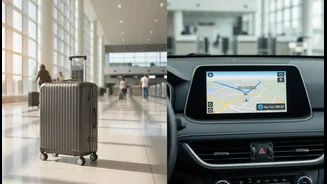
Being a tourist is easy; being a traveler is a part-time job. Add a full-time online job to the mix, and you're juggling two demanding roles. The logistical overhead of long-haul travel is significant: finding reliable Wi-Fi, managing time zone differences with clients in Bengaluru and Boston, securing visa extensions, and planning the next leg of your journey. This constant 'context switching' between work tasks and travel planning creates immense decision fatigue. Instead of feeling liberating, each day becomes a series of problems to solve, from a failed internet connection during a crucial video call to finding a quiet place to work in a bustling hostel. This relentless mental load is a primary cause of digital nomad burnout.
When Your Destination Becomes a Backdrop
One of the saddest ironies of working while traveling is being in a beautiful place but not truly experiencing it. The pressure to remain productive can mean your view of Paris is limited to the frame of your laptop screen in a cafe. You might be physically present at a stunning location, but your mind is miles away, occupied with deadlines and deliverables. This can lead to a profound sense of missed opportunity and resentment. The excitement of being in a new city fades when you're too busy or exhausted to explore it. You're a resident, not a tourist, but without the stability and community that makes a place feel like home. This can lead to feelings of isolation and loneliness, further contributing to burnout.
Reclaiming the Journey with Structure
So, is the dream of working and traveling a lost cause? Not at all. But it requires a conscious shift from a chaotic, spontaneous approach to a more structured and intentional one. The key is to create clear boundaries. Experts and experienced remote workers advise establishing a firm work schedule and sticking to it. Decide your start and end times and communicate them clearly to colleagues and clients. Crucially, schedule dedicated 'offline' time for exploration and relaxation, just as you would schedule a meeting. This means entire days where the laptop stays shut, allowing you to be a traveler, not just a remote employee in a scenic location.
Embrace the 'Slowmad' Approach
The antidote to travel fatigue and burnout is often to slow down. Instead of hopping to a new city every few days, consider staying in one location for several weeks or even months. This 'slow travel' approach drastically reduces logistical stress and allows you to build a genuine routine. You can find a preferred coworking space, join local community groups, and actually get to know a place beyond its tourist hotspots. A longer stay lets you balance work and leisure without feeling like you're compromising on both. It provides the stability humans crave while still offering the novelty and adventure that inspired the journey in the first place.