




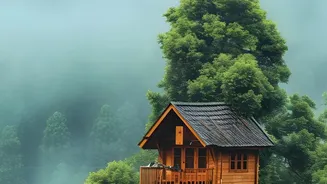
More Than a Room with a View
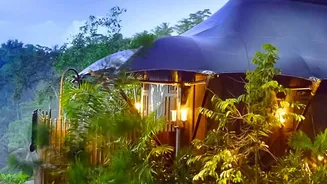
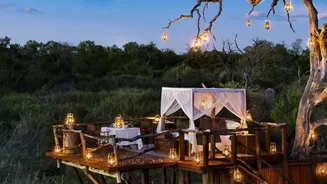
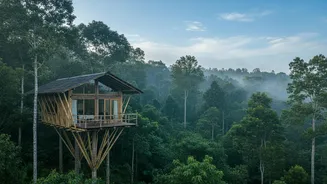
The idea of a treehouse evokes childhood adventure, but in the lush landscapes of Wayanad, it represents a sophisticated approach to hospitality. Unlike conventional hotels that often create a barrier between guests and the environment, these structures
are designed for immersion. Built on stilts or around the trunks of giant trees, they place you directly within the ecosystem. The experience is multisensory: the scent of spice plantations fills the air, the sounds of the forest form a natural soundtrack, and the views are of unending greenery rather than manicured lawns. This isn't just about observation; it’s about participation. Guests find themselves slowing down, their rhythms aligning with the natural world around them simply because the boundary between inside and outside has been gently erased.
The Blueprint of Sustainability
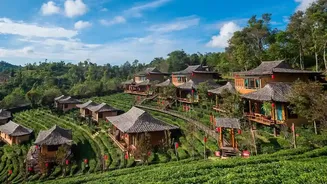
The term “eco-friendly” is often used, but here it’s a structural principle. The star material, bamboo, is a cornerstone of this redefinition. As one of the world's fastest-growing plants, it is a highly renewable resource that requires minimal resources to cultivate. Its strength and flexibility make it an ideal construction material for the unique demands of a treehouse. The design philosophy prioritises minimal impact; structures are often built by local artisans using indigenous techniques, blending seamlessly into the forest. Many resorts also implement systems like solar power, rainwater harvesting, and biogas plants that convert kitchen waste into cooking fuel, drastically reducing their carbon footprint. This quiet, deep-seated sustainability is about respecting the land, not just marketing a green image.
A Deeper Connection with Community
Perhaps the most significant way these accommodations redefine eco-travel is their integration with local communities. True sustainability extends beyond environmental practices to include social and economic well-being. Many treehouse projects in Wayanad are community-centric, providing livelihoods for local people, including indigenous tribes who possess generations of knowledge about the land. This model ensures that tourism revenue directly benefits the host community, empowering farmers and artisans. Tourists are often invited to engage in local life, whether through cooking classes, visits to tribal villages, or learning about traditional crafts. This transforms the travel experience from a simple transaction into a meaningful cultural exchange, fostering mutual respect and a more authentic connection to the place.
The Holistic Wayanad Experience
Staying in a bamboo treehouse becomes the gateway to a different kind of holiday. The focus shifts from a packed itinerary of sightseeing to a more present and mindful experience. Days are shaped by nature walks, birdwatching from your balcony, or trekking through dense forests to discover hidden waterfalls. Many properties are situated within sprawling coffee and spice plantations, offering guests a chance to learn about the organic farming that sustains the region. Food is often a highlight, with many resorts serving meals made from produce grown on-site or sourced from nearby farms, offering a true taste of Keralan cuisine. This holistic approach ensures that every aspect of the stay—from the room to the food to the activities—is interconnected with the environment and local culture, creating a cohesive and enriching journey.