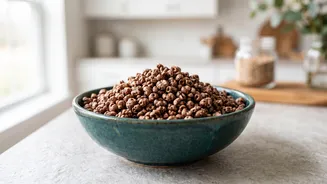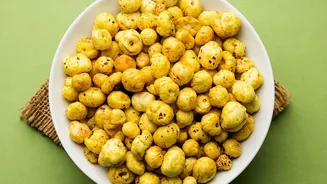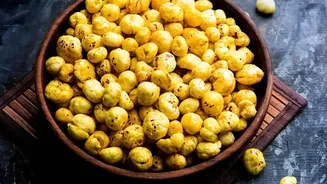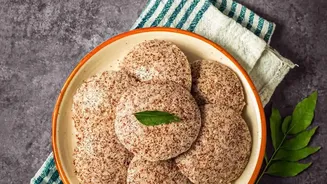



The craving for a crunchy, savoury snack is universal. For decades, popcorn has been the undisputed champion of movie nights and midday munching. But an ancient Indian superfood, ragi, is stepping into the ring in the form of a light, puffed snack.
Meet the Contenders
In
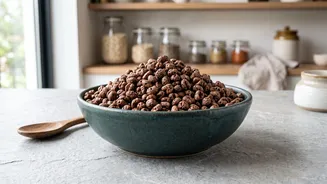
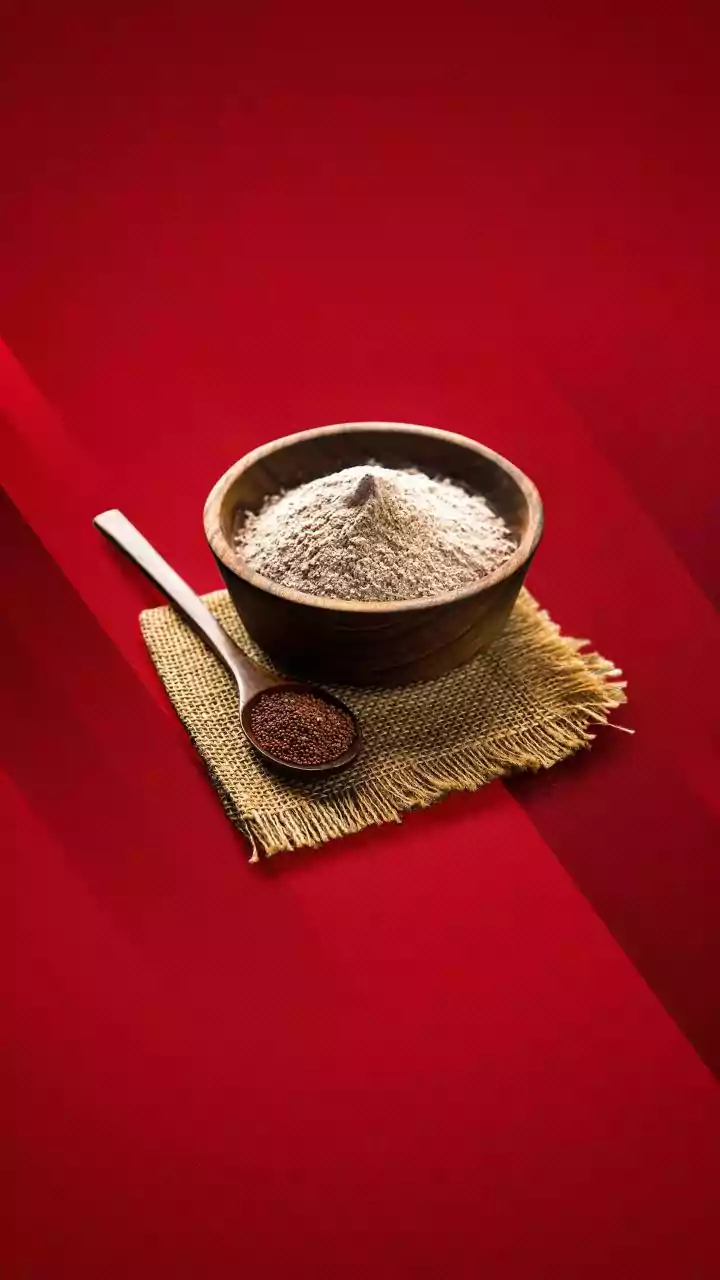
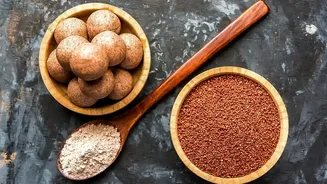
one corner, we have popcorn, made from a specific variety of maize (corn) that puffs up when heated. It's a whole-grain snack loved for its satisfying crunch. In the other corner is puffed ragi, also known as finger millet. Ragi is a staple grain in many parts of India, especially the south, and has been celebrated for its nutritional prowess for centuries. Puffed ragi snacks are typically made by baking or roasting the millet, resulting in a light, airy texture.
The Calorie and Fibre Face-Off
When it comes to calories, both snacks can be sensible choices, provided they are prepared correctly. A cup of plain, air-popped popcorn contains around 31 calories, making it a low-density food. Puffed ragi is also light, but calorie counts can vary based on preparation. The real difference-maker is what you add. Dousing popcorn in butter and salt, or choosing ragi puffs fried in oil with high-sodium seasonings, quickly turns a healthy snack into a calorie-dense treat. On the fibre front, both are good sources. Fibre is crucial for digestive health and helps keep you feeling full for longer. While popcorn is a decent source of fibre, ragi often has a slight edge, contributing to better satiety and digestive regularity.
Ragi's Undeniable Superpower: Calcium
This is where puffed ragi truly shines and leaves popcorn far behind. Finger millet is one of the richest plant-based sources of calcium available. A 100-gram serving of ragi contains approximately 344 mg of calcium, which is significantly more than most other cereals, and even more than an equivalent amount of milk. This makes ragi an excellent food for bone health at all life stages, from growing children to older adults concerned about osteoporosis. Popcorn, being derived from corn, contains minimal calcium in comparison. If bone health is a priority, ragi-based snacks are the clear winner.
The Battle of Micronutrients: Iron and More
Beyond calcium, ragi's nutritional profile continues to impress. It is a good source of iron, an essential mineral for preventing anaemia and maintaining energy levels. Some studies show that sprouted ragi can increase iron bioavailability significantly. Additionally, ragi contains essential amino acids like methionine and tryptophan, which are often lacking in other cereals. It is also rich in antioxidants, which help combat oxidative stress in the body. While popcorn does contain some antioxidants, particularly polyphenols, its overall micronutrient density doesn't quite match up to that of finger millet.
Blood Sugar and Glycemic Index
For individuals managing blood sugar levels, the glycemic index (GI) of a food is an important consideration. The GI ranks foods on how quickly they raise blood glucose. Ragi generally has a low to medium glycemic index, meaning it releases sugar into the bloodstream more slowly. This is due to its high fibre content, which slows down digestion and prevents sudden sugar spikes, making it a favourable choice for people with diabetes. Popcorn's GI is typically in the medium range. While still a better choice than highly refined snacks, puffed ragi often provides a more stable energy release.
The Final Verdict: How to Choose
So, which snack should you choose? Plain, air-popped popcorn remains a perfectly healthy, low-calorie, whole-grain snack. It’s a great choice if you’re simply looking for a high-volume, crunchy treat. However, when the focus shifts to nutrient density, puffed ragi is the clear champion. With its exceptional calcium and iron content, higher fibre, and favourable glycemic index, it moves beyond being just a snack and becomes a functional food that contributes positively to your health. When choosing either snack, always read the label. Opt for baked or air-popped versions with minimal added salt, sugar, and unhealthy fats to reap the true benefits.