





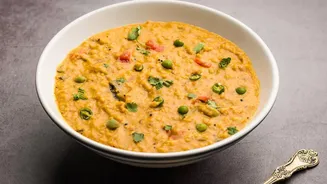
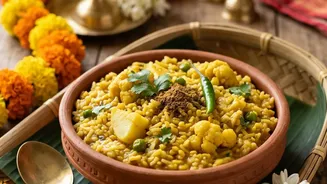
What if your workout's secret weapon was a comforting bowl of Khichdi? By understanding training nutrition and timing, this humble Indian classic, reimagined with oats, can become a powerhouse for both energy and recovery. Here’s how.
The Perfect Fuel for Fitness
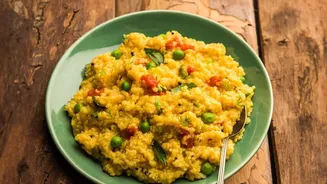
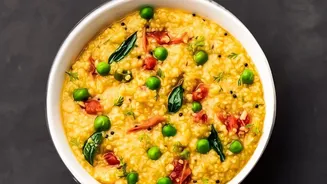
Traditional Khichdi
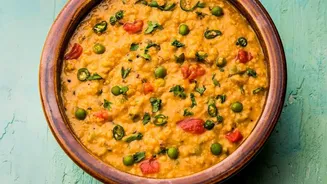
is already a balanced meal, but swapping rice for oats elevates its athletic potential. Oats are packed with complex carbohydrates and a special soluble fibre called beta-glucan. This combination ensures a slow, steady release of energy, preventing the dreaded sugar crash mid-workout. Unlike simple carbs that offer a quick burst, the energy from oats is sustained, making it ideal for everything from a long run to a heavy lifting session. Paired with moong dal, a fantastic source of plant-based protein, this dish provides the essential building blocks for muscle repair. The addition of vegetables further boosts its micronutrient profile, delivering vitamins and minerals crucial for energy metabolism and recovery.
Pre-Workout vs. Post-Workout Needs
Understanding what your body needs and when is the key to unlocking your fitness goals. Think of it in two simple phases: before your workout and after.
Before training, your primary goal is to fuel your muscles for the work ahead. This requires carbohydrates, which your body converts into glucose for energy. Consuming carbs an hour or two before exercise tops up your muscle glycogen stores, ensuring you have the power to push through your session.
After training, the focus shifts to recovery. Exercise creates tiny tears in your muscle fibres, which is how they grow stronger. To repair this, your body needs protein. At the same time, you need to replenish the glycogen you just burned. Therefore, a post-workout meal should ideally contain a combination of both protein and carbohydrates to kickstart muscle repair and refuel your energy stores for the next session.
Timing Your Meal for Peak Performance
So, when is the best time to enjoy your Oats Khichdi? It depends on your goal.
As a pre-workout meal, consume a bowl about 90 minutes to two hours before you start. This gives your body enough time to digest the complex carbs, providing a steady stream of fuel throughout your workout without leaving you feeling heavy or bloated. The fibre in the oats and dal ensures the energy release is gradual, keeping you powered up for longer.
As a post-workout meal, it’s a fantastic recovery tool. Aim to eat within 60 to 90 minutes after finishing your workout. This window is when your muscles are most receptive to nutrients for repair and replenishment. The combination of carbohydrates from the oats and protein from the moong dal provides exactly what your body needs to repair muscle tissue and restore its energy reserves. For an extra protein boost post-workout, you can increase the ratio of dal to oats or serve the Khichdi with a side of Greek yogurt or paneer.
A Step-byStep Cooking Guide
This onepot recipe is as easy as it is nutritious. It’s customisable, so feel free to add any vegetables you have on hand.
Ingredients:
- ½ cup rolled oats
- ½ cup yellow moong dal, rinsed and soaked for 15 minutes
- 1 tbsp ghee or oil
- 1 tsp cumin seeds
- 1 small onion, finely chopped
- 1 inch ginger, grated
- 1 green chilli, chopped (optional)
- ½ cup mixed vegetables (carrots, peas, beans), chopped
- ¼ tsp turmeric powder
- ½ tsp red chilli powder (adjust to taste)
- Salt to taste
- 4 cups water
- Fresh coriander leaves for garnish
- A squeeze of lemon juice
Method:
1. Heat the ghee or oil in a pressure cooker or a deep pot over medium heat. Add the cumin seeds and let them splutter.
2. Add the chopped onion, grated ginger, and green chilli. Sauté for a minute until the onion turns translucent.
3. Drain the soaked moong dal and add it to the pot along with the rolled oats. Sauté for another minute.
4. Add the mixed vegetables, turmeric powder, red chilli powder, and salt. Stir everything together well.
5. Pour in 4 cups of water and mix. If using a pressure cooker, close the lid and cook for 2–3 whistles. If using a pot, bring it to a boil, then reduce the heat, cover, and let it simmer for 15–20 minutes, or until the dal is soft and the Khichdi has a creamy consistency. You may need to add more water if it becomes too thick.
6. Once cooked, let the pressure release naturally if using a cooker. Garnish with fresh coriander leaves and a squeeze of lemon juice before serving hot.