


A Festive Shift in Consciousness
Janmashtami, the celebration of Lord Krishna’s birth, has always been a festival of abundance, especially when it comes to food. Platters are traditionally laden with milk-based sweets, fried snacks, and rich preparations offered as ‘bhog’. However, a quiet
revolution is simmering in Indian kitchens and food startups, driven by a younger, health-conscious generation. Millennials and Gen Z, while deeply connected to their roots, are increasingly questioning the necessity of refined sugar and unhealthy fats in their festive foods. This has sparked a creative movement to reinvent traditional sweets, making them both delicious and nourishing. The trend isn't about deprivation but about thoughtful substitution, allowing everyone, including those with health conditions like diabetes, to partake in the festivities without worry.
The New Mithai-Wallas
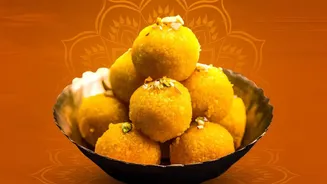
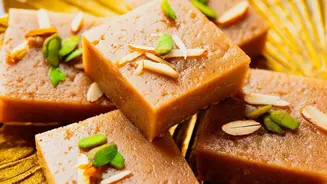
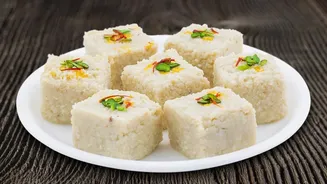
The headline-making changes are not just happening in home kitchens. A wave of young entrepreneurs and youth-led food startups are building brands around the concept of healthy Indian sweets. Companies like Mumbai-based Healthy Mithai Co. are pioneering preservative-free mithai that replaces sugar with natural sweeteners like stevia. These ventures are responding to a clear demand from a generation that researches nutritional facts and seeks alignment between their lifestyle and their cultural practices. They operate through stylish e-commerce platforms and modern retail outlets, making healthy, gourmet versions of classics like besan ladoo and kalakand accessible to a wider audience. They prove that traditional flavours can be preserved even when the ingredients are updated for modern wellness goals.
The Art of the Healthy Swap
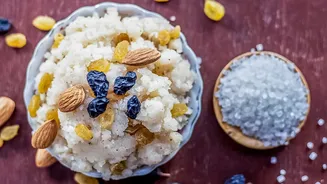
So, how exactly are these traditional recipes being transformed? The primary villain, refined white sugar, is the first to go. In its place, innovators are using a variety of natural sweeteners. Jaggery (gur) is a popular choice, lending its earthy sweetness to everything from ladoos to kheer. Date paste, anjeer (figs), and raisins are also used to create sweets that are naturally rich and fibrous. For those seeking zero-calorie options, plant-based sweeteners like stevia are being incorporated into recipes for phirni and kalakand. The changes extend to the base ingredients as well. Refined flour (maida) is being swapped for nutrient-dense alternatives like ragi (finger millet), whole wheat flour (atta), oats, and besan (chickpea flour). For instance, you might now find ragi coconut ladoos or baked whole wheat gujiyas on a festive platter.
Tradition, Evolved and Embraced
The most significant aspect of this trend is that it represents an evolution, not a rejection, of tradition. These healthy variations are not seen as a compromise but as a thoughtful way to sustain cultural practices for the future. The response has been overwhelmingly positive, particularly as families become more aware of lifestyle-related health issues. Younger family members are introducing these recipes, and they are often embraced by elders who appreciate the opportunity to enjoy festive treats in a healthier way. The focus on portion control, with many brands offering bite-sized mithai, also reflects a mindful approach to indulgence. It shows that the essence of a festival lies in the spirit of the offering and the joy of sharing, not just in the sweetness of the dish.