





Reinforce Your Home for the Rains
Your home is your primary shelter, and preparing it for the downpour is the first step. Before the heavy rains begin, conduct a thorough inspection of your house. Check for cracks in the walls, roof, and around window sills where water can seep in, and use waterproof
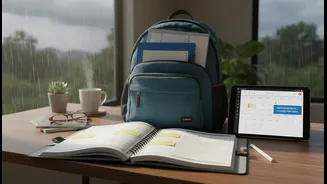
sealants to fix them. Clogged drains on balconies, terraces, and in bathrooms are a common cause of waterlogging, so ensure they are clean and clear of debris. It's also wise to move wooden furniture slightly away from walls to prevent moisture damage and to keep expensive electronics off the floor. Power cuts are frequent during storms, so assemble a monsoon emergency kit. This should include a torch with extra batteries, a fully charged power bank, essential medicines, a first-aid kit, and some non-perishable food items and clean drinking water. Keeping digital and physical copies of important documents in a waterproof bag is another smart precaution.
Navigate Your Commute Safely
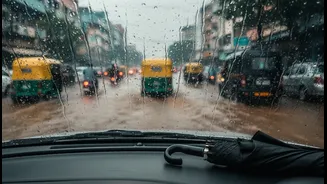
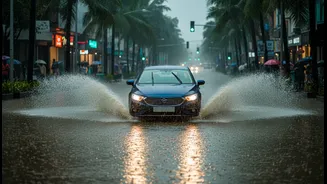
Getting around during the monsoon can be challenging and requires extra caution. If you're driving, reduce your speed and maintain a safe distance from the vehicle ahead, as wet roads significantly increase braking distance. Driving through waterlogged streets can damage your car's engine, so it's best to avoid these routes if possible. Always keep your headlights on for better visibility. Before the season starts, get your car's brakes, tyres, and windscreen wipers checked. For those using public transport, be prepared for delays and crowded conditions. Check for travel updates before you leave home. Wear appropriate footwear with good grip to avoid slipping on wet surfaces and be careful when getting on and off buses or trains. Carrying a waterproof bag for your belongings, including electronics, is essential.
Prioritise Your Health and Hygiene
The monsoon is a peak season for various infections, so taking health precautions is crucial. Waterborne diseases like typhoid and cholera, and mosquito-borne illnesses like dengue and malaria, become more common. The most effective way to prevent them is to avoid contaminated food and water. Drink only boiled or filtered water and avoid street food, which may be prepared in unhygienic conditions. To protect against mosquitoes, use repellents, wear long-sleeved clothing, and ensure there is no stagnant water around your home where they can breed. This includes checking flower pots, old tyres, and coolers. A strong immune system is your best defence, so eat nutritious, freshly prepared meals and consider adding foods rich in Vitamin C to your diet. Always wash your hands thoroughly before eating.
Rethink Your Social and Event Plans
The rainy season doesn't mean you have to cancel all your plans, but it does require smarter planning, especially for significant events like weddings or large parties. If you’re planning an outdoor event, having a solid indoor backup is non-negotiable. Choose a venue that has a good indoor space or a well-covered area that can protect guests from a sudden downpour. When sending out invitations, clearly communicate the backup plan so guests know what to expect. Factor in potential traffic delays caused by rain and advise guests to allow for extra travel time. For smaller, informal gatherings, consider hosting them indoors. You can plan monsoon-themed games or activities to keep spirits high. If you are a guest, always RSVP and check with the host about arrangements, especially if the venue is unfamiliar or in an area prone to waterlogging.