

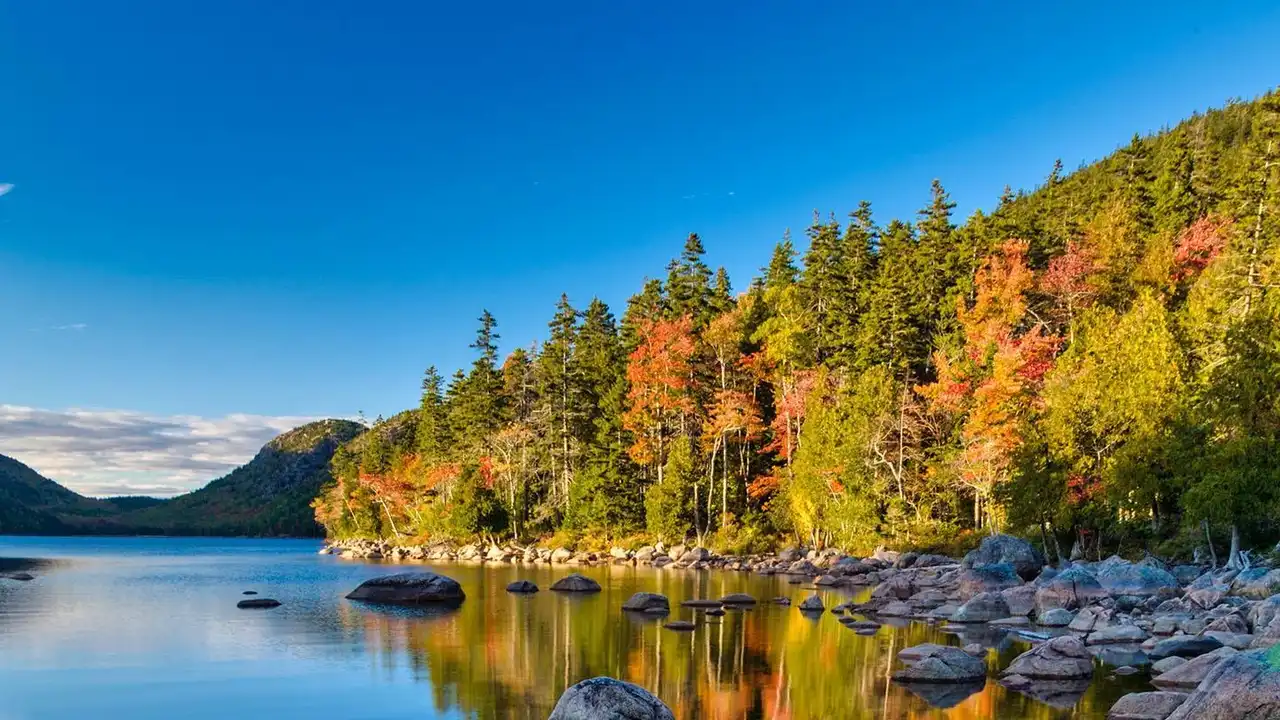
From Sightseer to 'Experience-Seeker'
The era of rushed, multi-city itineraries is giving way to 'slow travel'. Today's Indian traveller no longer wants to just see a destination; they want to feel it. This means a move away from generic sightseeing and towards authentic, immersive experiences.
They are seeking out local culinary tours, cultural workshops, heritage walks, and stays that offer a genuine connection to the place. This 'experience economy' is a powerful force, with consumers, especially younger generations like Gen Z, prioritizing spending on memorable activities over physical goods. For tourism operators, this shift means the product is no longer just a room or a seat on a bus, but the entire, curated experience. It’s about creating unforgettable moments, from a home-cooked meal in a village to a guided trek through a lesser-known trail.
The Unstoppable Rise of the Domestic Traveller
While international travel is rebounding, the most significant and structural shift has been the explosion in domestic tourism. A growing middle class, improved infrastructure, and a desire to explore one's own country have fueled this boom. Travellers are increasingly venturing beyond traditional hotspots like Goa, with search data showing a massive spike in interest for destinations in the Northeast, for example. States like Uttar Pradesh and Tamil Nadu are leading the charts in domestic tourist visits. This trend is not just about volume; it's about diversification. People are taking multiple shorter trips throughout the year instead of one long annual holiday. For businesses, this means a more consistent revenue stream but also a need to cater to a diverse regional audience with varied tastes and budgets.
Sustainability is Now a Deciding Factor
Once a niche concern, sustainability is now a mainstream priority for a significant number of Indian travellers. Reports show that a vast majority consider sustainability important when making travel decisions, with many stating they are more determined to travel sustainably now than a year ago. This isn't just about eco-friendly hotels; it extends to supporting local communities, avoiding overcrowded places, and reducing their environmental footprint. Many travellers express a desire to visit destinations before they become too popular and believe visiting lesser-known places helps reduce the pressure on tourist hotspots. Businesses can no longer treat sustainability as a marketing buzzword. Demonstrable green credentials, responsible sourcing, community engagement, and clear certifications are becoming key differentiators that can influence booking decisions.
The 'Bleisure' and Workation Revolution
The lines between work and life have blurred, and travel is no exception. 'Bleisure'—the practice of blending business trips with leisure extensions—is a dominant trend, with Indian professionals leading the global average for such trips. Driven by flexible work policies, professionals are adding personal days to work trips to explore a new city or simply unwind. This has given rise to the 'workation', where individuals relocate to a scenic destination for a period, working remotely while enjoying a change of scenery. For hotels and resorts, this is a massive opportunity. The new priorities are high-speed Wi-Fi, comfortable workspaces, and flexible long-stay packages, often valued more than traditional luxury amenities.
Digital and Personalised is the Default
The entire travel journey, from inspiration to booking, is now overwhelmingly digital. YouTube and social media are the primary sources of inspiration, with travel creators holding significant influence. Travellers expect a seamless online experience, using digital platforms not just for booking but for planning and research. But beyond just being online, the new Indian traveller seeks personalization. Cookie-cutter packages are less appealing than tailor-made itineraries that align with individual interests. Modern luxury itself is being redefined not by price, but by exclusivity, originality, and personal relevance. For businesses, this means investing in a strong digital presence, leveraging data to offer personalized recommendations, and ensuring the booking process is smooth and trustworthy.