





The Sacred Courtyard Awakens
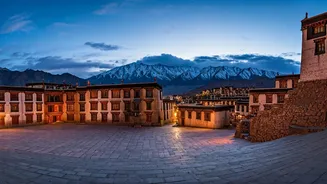
The heart of the festival is the historic Hemis Monastery, the largest and wealthiest gompa in Ladakh. For two days each year, its sprawling courtyard transforms from a space of quiet contemplation into a grand, open-air stage. Held on the 10th day of the fifth
month of the Tibetan lunar calendar, the festival commemorates the birth anniversary of Guru Padmasambhava, the revered 8th-century master credited with bringing Buddhism to Tibet. Locals dressed in their finest traditional attire, 'gonchas' and 'peraks', mingle with travellers from across the globe, all gathering in anticipation. The air, usually thin and crisp, becomes thick with the scent of burning juniper incense and a palpable sense of devotion.
The Enigmatic Chham Dances
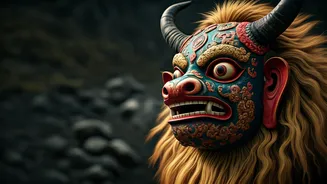
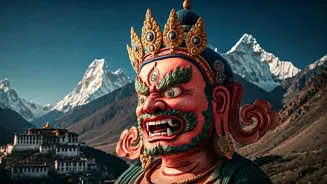
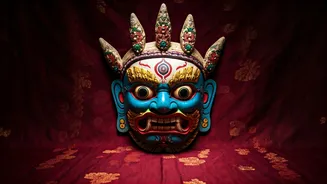
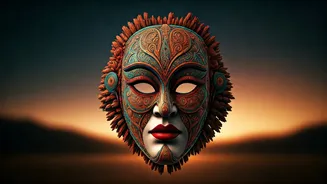
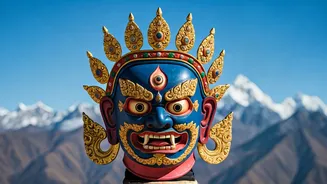
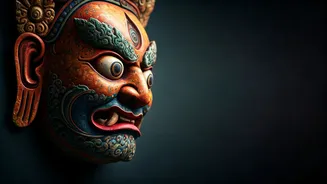
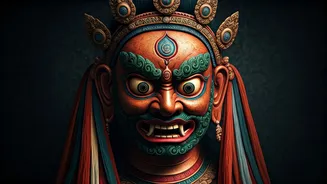
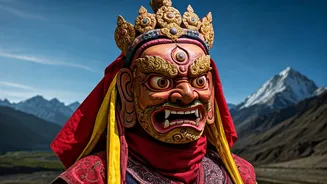
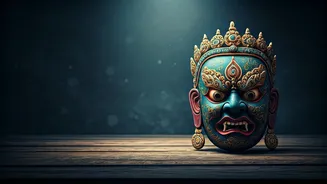
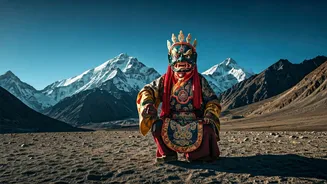
The main event is the 'Chham', a series of sacred masked dances performed by the monastery's lamas. These are not mere performances for entertainment; they are profound spiritual rituals. As the resonant boom of the 'dungchen' (long horns) echoes through the mountains, figures in elaborate silk robes and giant, often fearsome, masks emerge into the courtyard. Their movements are slow, deliberate, and hypnotic. Each step, each gesture, is laden with symbolic meaning, representing different deities, demons, and protectors from the Buddhist pantheon. The masks themselves are works of art, depicting wrathful expressions to ward off evil spirits and serene faces to represent enlightened beings. Watching them is like witnessing a living, breathing mandala.
A Tale of Good Over Evil
At its core, the Hemis Festival is a powerful morality play. The Chham dances narrate the ultimate triumph of good over evil and the victory of Buddhism over its detractors. The central storyline revolves around Guru Padmasambhava's life and his cosmic battles to protect the dharma (the cosmic law and order). The climax often features a dance that symbolises the destruction of negative forces, represented by a dough effigy that is ceremonially dismembered and scattered. For the devout, witnessing this act is a form of purification, a way to dispel obstacles and accumulate merit for the coming year. It’s a collective prayer enacted through movement, a visceral reminder of the spiritual struggles that underpin existence.
The Sounds of the Himalayas
The visual spectacle of the Chhams is inseparable from its unique soundscape. The rhythmic clash of cymbals, the steady beat of drums, and the otherworldly drone of the horns create an atmosphere that is both meditative and intense. This is not melody in the conventional sense; it is a sonic texture designed to alter consciousness and transport both performer and audience to a different plane of reality. The music guides the dancers' steps and punctuates the narrative, marking the entry of key characters and the height of dramatic moments. The combined effect of the vibrant costumes, the imposing masks, and the haunting music is an overwhelming sensory experience that stays with you long after the festival ends.
More Than Just a Performance
While the dances are the main draw, the Hemis Festival is also a vibrant social and cultural gathering. A lively fair springs up around the monastery, where vendors sell local handicrafts, jewellery, and traditional foods. It’s a time for families from remote villages to reunite and celebrate. Every 12 years, the festival becomes even more significant with the unfurling of a giant, four-storey-high 'thangka'—a sacred silk appliqué depicting Guru Padmasambhava. This rare event draws immense crowds, as a mere glimpse of the thangka is believed to grant spiritual liberation. Whether it’s a thangka year or not, the festival offers a profound connection to a tradition that has survived for centuries against the backdrop of one of the world's most dramatic landscapes.