




A Comforting Southern Classic
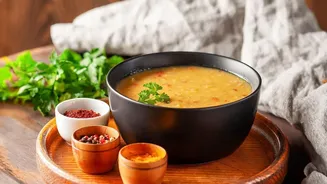
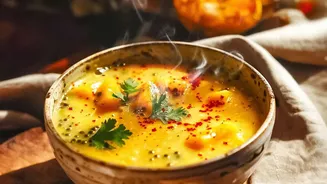
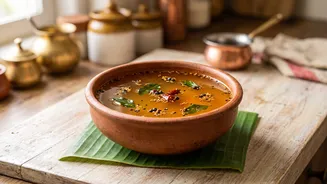
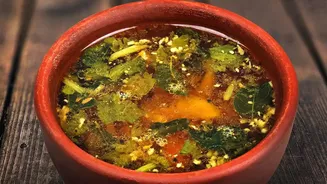
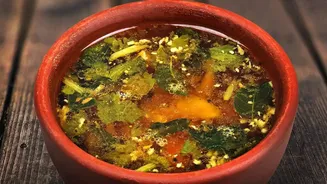
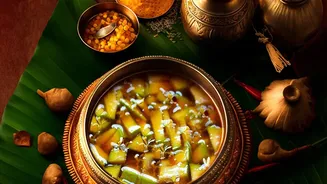
Pepper rasam, or 'milagu rasam' in Tamil, is a staple in South Indian households. It's a thin, aromatic broth that can be sipped like a soup or mixed with steamed rice. Unlike thicker lentil-based dals, rasam is light, watery, and primarily built on a base of
tamarind juice, tomatoes, and a distinct blend of spices. For generations, it has been considered the go-to comfort food when one is feeling under the weather, much like how khichdi is viewed in North India. Its reputation is that of a restorative, nourishing dish that is easy on the digestive system, making it a favourite during periods of illness and recovery.
The Flu Season Connection
The association between pepper rasam and flu season is deeply rooted in tradition. The warm, hydrating nature of the soup is inherently soothing for a sore throat and general discomfort. Traditional belief holds that the specific combination of spices has warming properties that provide relief. Many households prepare it at the first sign of a cold, believing it helps manage symptoms like congestion and coughs. The spices, particularly the heat from black pepper and garlic, are thought to act as natural decongestants, helping to clear nasal passages. While it's a supportive food rather than a cure, its role as a comforting ritual during sickness is undeniable.
A Symphony of Spices and Flavours
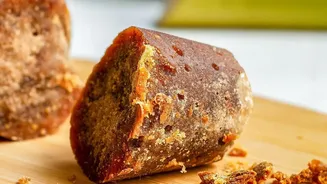
The magic of pepper rasam lies in its iconic flavour profile, which is a complex interplay of spicy, sour, and savoury notes. The key ingredient is black pepper ('milagu'), which provides a pungent heat. This is balanced by the sourness of tamarind, a cornerstone of the dish. Cumin seeds add an earthy aroma, while garlic contributes its own sharp, pungent kick. Other common additions include turmeric, curry leaves, mustard seeds, and asafoetida, each adding another layer of flavour. Some recipes also use a small amount of jaggery to round out the sharp tang of the tamarind. This unique taste can be particularly appealing when appetite is diminished during an illness.
Power-Packed Ingredients
The ingredients in pepper rasam are valued in Ayurveda for their properties. Black pepper, the 'king of spices', is prized for its antioxidant content and has been traditionally used to aid digestion and clear respiratory congestion. Tamarind is a source of antioxidants and dietary fibre. Garlic and cumin are also known for their immune-supportive qualities in traditional medicine. Turmeric, with its active compound curcumin, is celebrated for its anti-inflammatory properties. Together, these components create a dish that is not just flavourful but also packed with ingredients long associated with wellness.
Simple to Prepare at Home
Despite its complex flavour, pepper rasam is relatively simple to make. The process typically begins with creating the spice base. Freshly crushed black pepper, cumin seeds, and garlic form the heart of the masala. This mixture is then simmered in a base of tamarind water and chopped tomatoes. The 'tadka' or tempering, usually done in ghee or oil with mustard seeds, dried red chillies, and curry leaves, is often added at the end to infuse the broth with a final burst of aroma. While some variations include cooked lentils for more body, the classic pepper rasam remains a light, clear soup, making it an easy and quick preparation for any home cook.