




A Pattern with a Royal Past
Before we dive into its current revival, it’s worth appreciating damask’s incredible history. This isn't just any pattern; it’s technically a weaving technique that originated in China around 300 B.C.. The name itself comes from Damascus, the Syrian capital,
which was a bustling trading hub along the Silk Road where the fabric gained fame. Originally woven from silk, damask was a symbol of wealth and nobility, reserved for royalty and the highest echelons of society. Think of King Henry VIII, who was so devoted to the textile it appeared in many of his official portraits. The pattern is created by combining two different weaving techniques to form a reversible design, often with a glossy, satin-woven pattern against a duller background. This complexity made it incredibly expensive and time-consuming to produce until the invention of the Jacquard loom in the 19th century made it more accessible.
So, Why Is It Back Now?
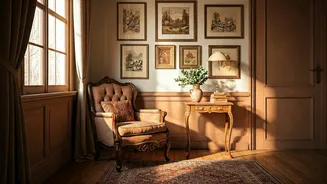
For decades, damask was seen as formal and even dated, a relic of overly decorated spaces. So what’s behind its resurgence? Part of the credit goes to the “grandmillennial” trend, a design movement that embraces traditional, classic styles with a fresh twist. As an antidote to years of stark minimalism, people are craving warmth, depth, and patterns that tell a story. Designers are reminding us that tradition only feels tired when it stops evolving. The new take on damask is less about recreating a period drama and more about using its inherent elegance in a contemporary context. Recent design showcases in London, for instance, have highlighted damask-enveloped rooms that feel inviting and intimate, not stiff. It's part of a broader return to heritage prints and craftsmanship in 2026.
How to Use Damask in a Modern Home
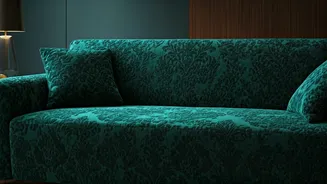
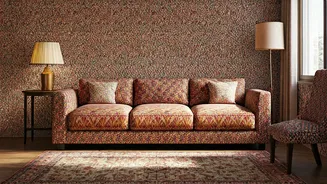
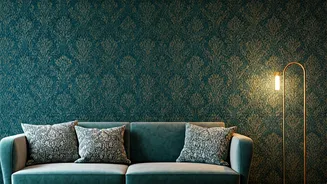
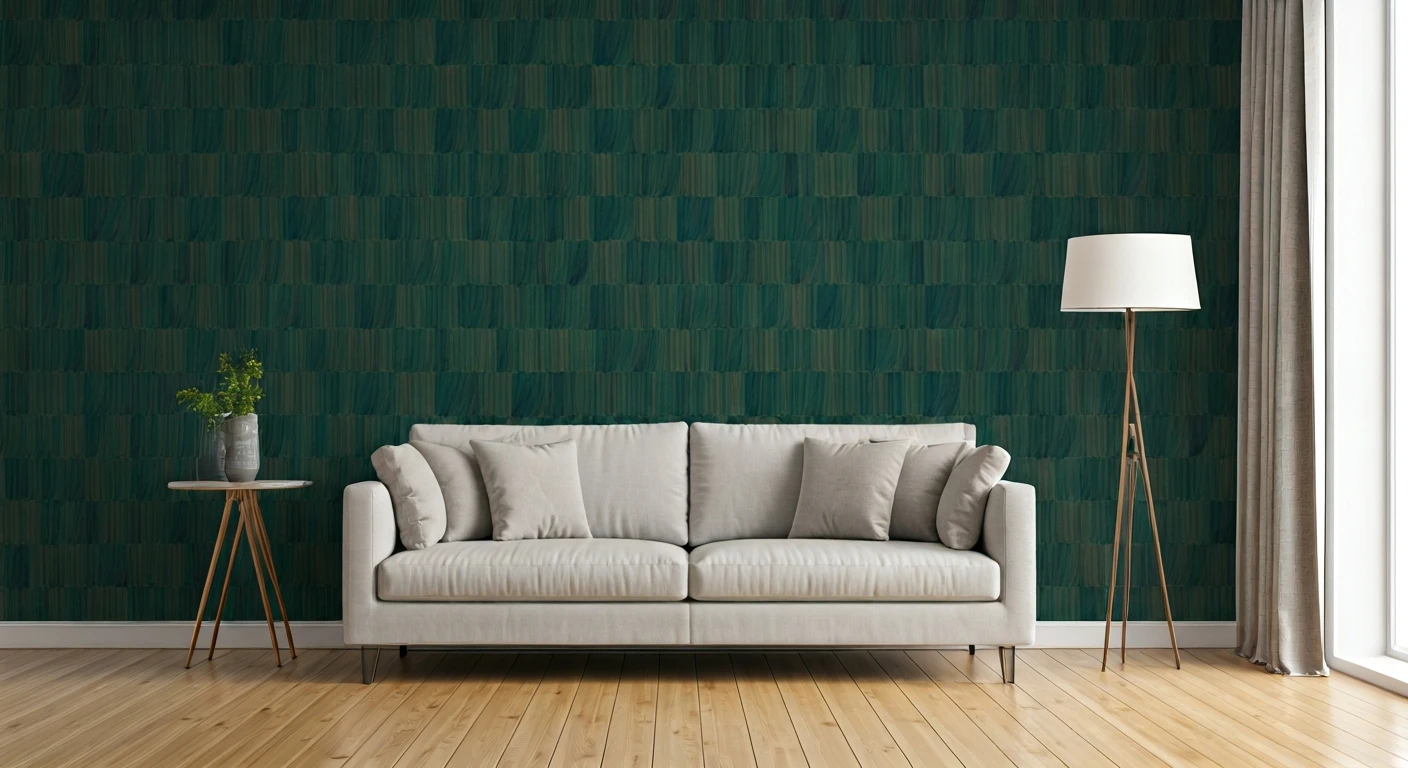
The key to making damask feel current is all about application and balance. Gone are the days of matching damask everything. Instead, think of it as a powerful accent. A single accent wall with a large-scale damask wallpaper can create a stunning focal point in a living room or behind a bed. In modern colorways like dusky blue, cool grey, or even a bold black-and-white, the pattern feels fresh and graphic. You can also introduce it in smaller doses. Upholstering a modern, clean-lined armchair or a set of dining chairs in a damask fabric creates a beautiful juxtaposition of old and new. Throw pillows, a patterned rug, or elegant drapes are other low-commitment ways to bring the pattern home without it overwhelming the space. Even a ceiling can become a 'fifth wall' of interest with a subtle damask wallpaper.
Finding the Right Scale and Material
Today’s damask isn’t just one-size-fits-all. The scale of the pattern makes a huge difference. In smaller rooms, a large-scale damask can feel overwhelming, so opting for a smaller, more delicate version might be a better choice. Conversely, a large, bold pattern can make a dramatic and confident statement in a spacious room. The material also plays a huge role. While traditional silk damask is the pinnacle of luxury, modern versions come in durable and accessible materials like cotton, linen, and even washable vinyl for wallpapers. A relaxed linen damask offers a soft, organic feel, while a crisp cotton gives patterns a sharp definition. Metallic and textured finishes on wallpaper can add another layer of modern sophistication, catching the light in beautiful ways throughout the day.