

The Allure of Regional Flavours
For years, a standard set of spices and vegetables dominated many urban Indian kitchens. But a quiet revolution is taking place. Fuelled by a renewed pride in local food traditions and the vibrant sharing on social media, home cooks are exploring ingredients
that were once confined to specific regions. This isn't about complicated, restaurant-style cooking; it's about making simple, delightful additions that elevate everyday meals. It’s a movement that celebrates the unique stories, climates, and cultures that have shaped India's vast culinary map. By turning to what our grandparents cooked, we are finding that adding diversity to our plates is easier and more rewarding than ever.
Gondhoraj Lebu: The King of Limes
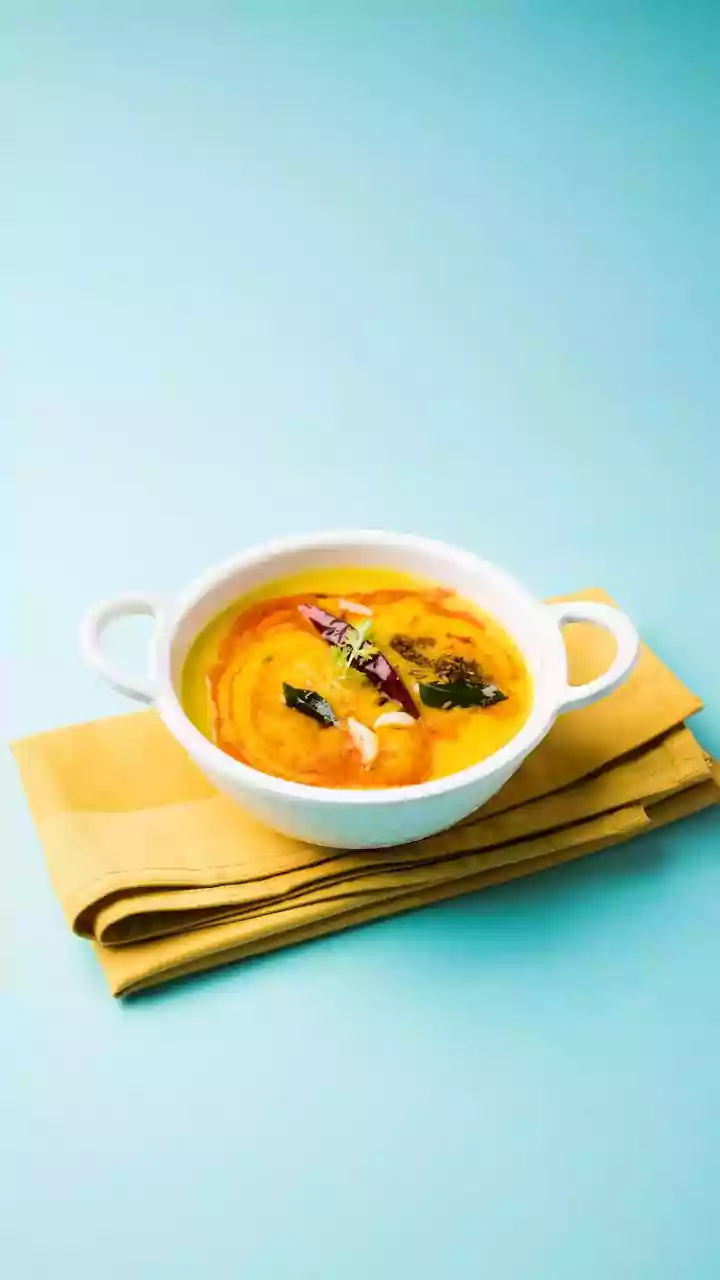
Forget the standard lime; the Gondhoraj Lebu from West Bengal is an experience in itself. Translating to 'king of scented lemons', its power lies not just in its juice but in its intensely fragrant rind. Unlike other lemons, its aroma is floral and captivating, capable of transforming a simple dish. The easiest way to use it is to squeeze a slice over a bowl of hot dal, releasing its magical scent. You can also add its zest to lassis, marinades for chicken or paneer, or even a simple pulav to give it a fresh, aromatic lift without overpowering other flavours. Its unique citrusy note is a simple swap that delivers a major flavour upgrade.
Kalanamak Rice: A Scented Heritage
Hailing from the Terai belt of Uttar Pradesh, Kalanamak rice is an ancient, fragrant grain that is making a comeback. Often called 'Buddha's gift', this GI-tagged rice is known for its soft texture and unique nutty aroma when cooked. It’s also celebrated for its nutritional benefits, including a lower glycemic index compared to many other white rice varieties. Incorporating it into your diet is as simple as using it in place of your usual rice. It cooks up light and fluffy, making it perfect for a simple steamed side to any curry, a fragrant khichdi, or a light vegetable pulav. Just soaking it for 20-30 minutes before cooking enhances its texture and aroma, offering a subtle but distinct improvement to your daily rice dishes.
Bhoot Jolokia: A Hint of Ghostly Heat
Don't be intimidated by its reputation. The Bhoot Jolokia, or ghost pepper, from Northeast India is one of the world's hottest chillies, but when used with extreme care, it offers a wonderful, fruity heat. The key is moderation; you only need a tiny amount to infuse an entire dish. Instead of chopping a whole chilli into your sabzi, try making a fiery pickle or an infused oil. A single dried Bhoot Jolokia can be added to a bottle of mustard or sesame oil, which can then be used sparingly for tadkas. You can also grind dried peppers into a powder and use a tiny pinch in a marinade or curry paste. This allows you to control the intense heat while still enjoying its unique flavour profile.
Jackfruit Seeds: The Humble Powerhouse
Often discarded, the seeds of the jackfruit are a nutritious and versatile ingredient common in South Indian and coastal cuisines. With a texture somewhere between a potato and a chestnut when cooked, they add a wonderful bite to various dishes. To prepare them, you simply need to pressure cook or boil the seeds until tender, after which the outer white skin can be peeled off. Once cooked and sliced, they can be thrown into a simple stir-fry (thoran or varuval) with coconut and spices, added to sambar or kurma-style curries, or simply roasted with a bit of salt and pepper for a healthy snack. It's a perfect example of sustainable, root-to-fruit cooking that adds substance and an interesting texture to everyday meals.