



The Symphony of the Monsoon
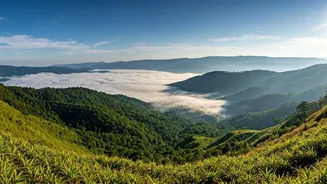
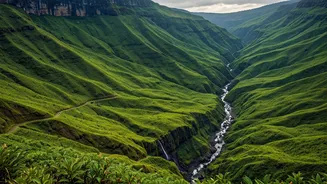
Every year, as the monsoon winds sweep across the Bay of Bengal, they are funnelled towards the Khasi Hills of Meghalaya. Here, they are forced to rise, rapidly cooling and condensing to unleash a deluge of near-biblical proportions. This isn't just rain;
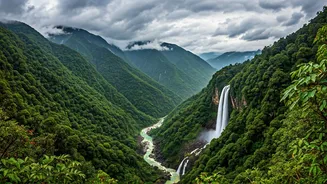
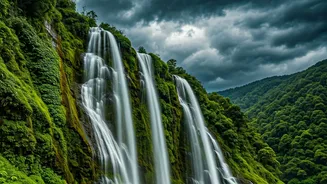
it's an event that defines life, culture, and the very landscape. The region transforms. Dormant streams become raging rivers, and the cliffs of the world’s wettest plateau begin to weep, bleed, and roar with water. This is the 'overloaded' season, when every crevice and cliff face becomes a potential waterfall, creating a water-world that feels both ancient and alive.
Sohra's Majestic Plunge
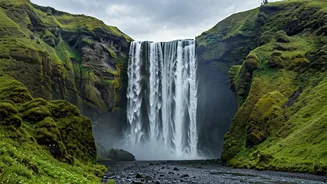
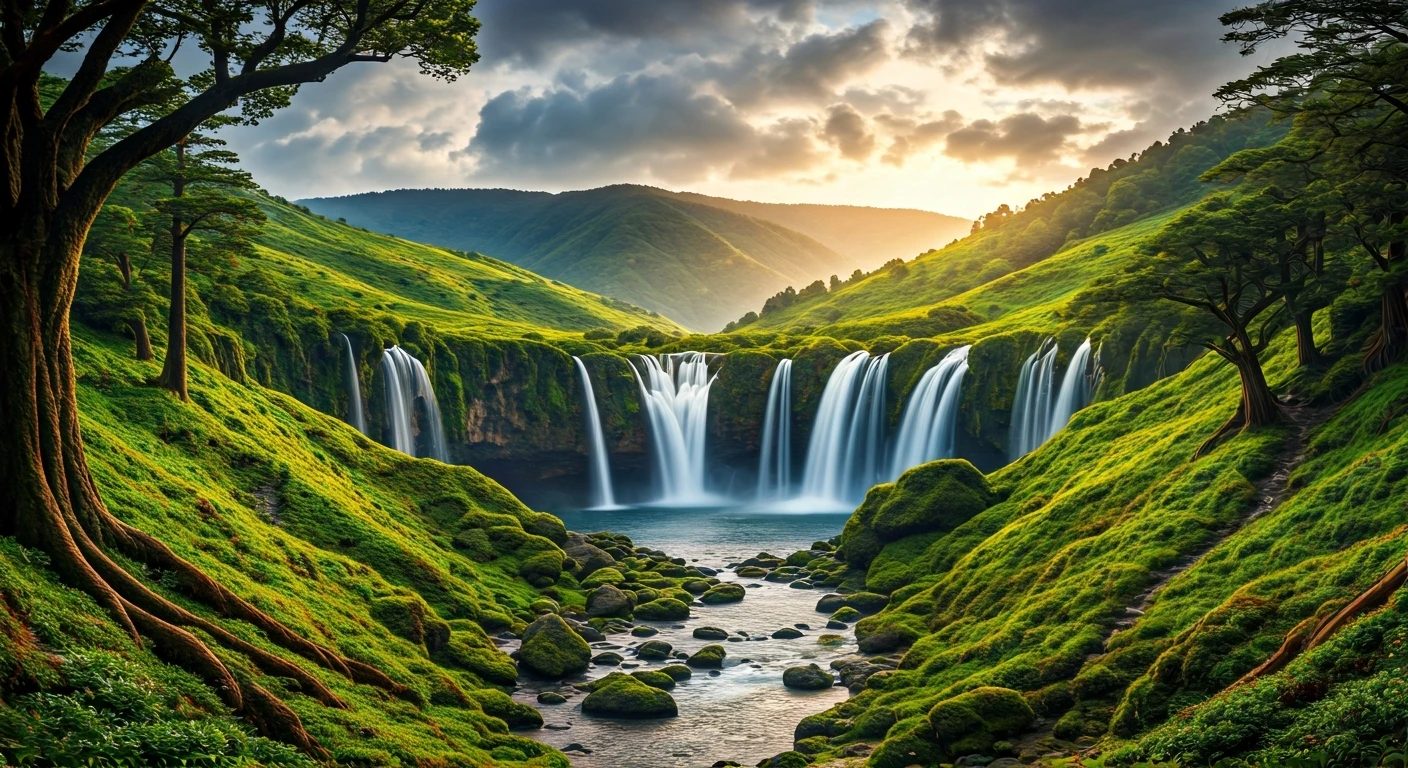
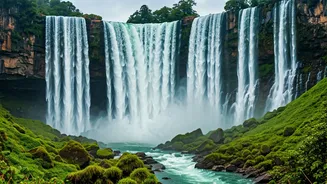
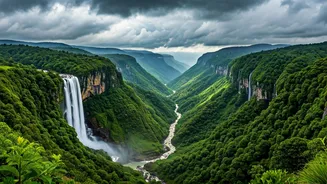
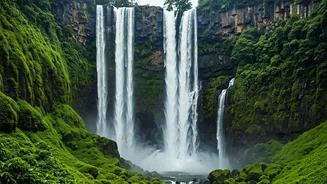
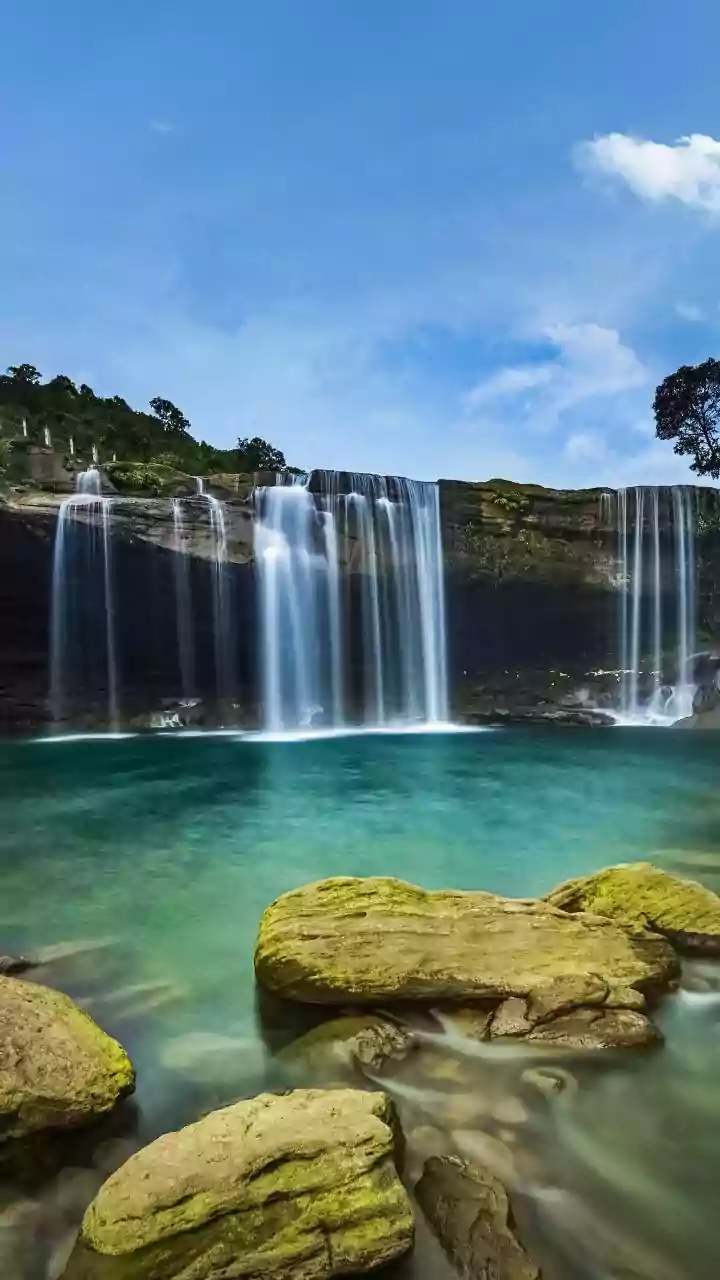
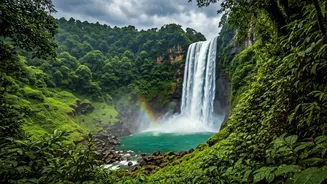
For decades, Cherrapunji, now officially known as Sohra, held the coveted title of 'wettest place on Earth.' While a nearby town has since claimed the record, Sohra remains the heart of waterfall country. The monsoon swells its legendary cascades to their awe-inspiring peaks. The Nohkalikai Falls, India's tallest plunge waterfall, transforms from a single, elegant stream into a thundering cataract, its roar echoing through the valley. Nearby, the Seven Sisters Falls (Nohsngithiang Falls) live up to their name as multiple segments of water cascade side-by-side down the limestone cliffs, creating a panoramic curtain of whitewater against a backdrop of impossible green. To see Sohra in the monsoon is to see it as it's meant to be seen: powerful, dramatic, and shrouded in a perpetual, romantic mist.
Mawsynram: The Reigning Champion
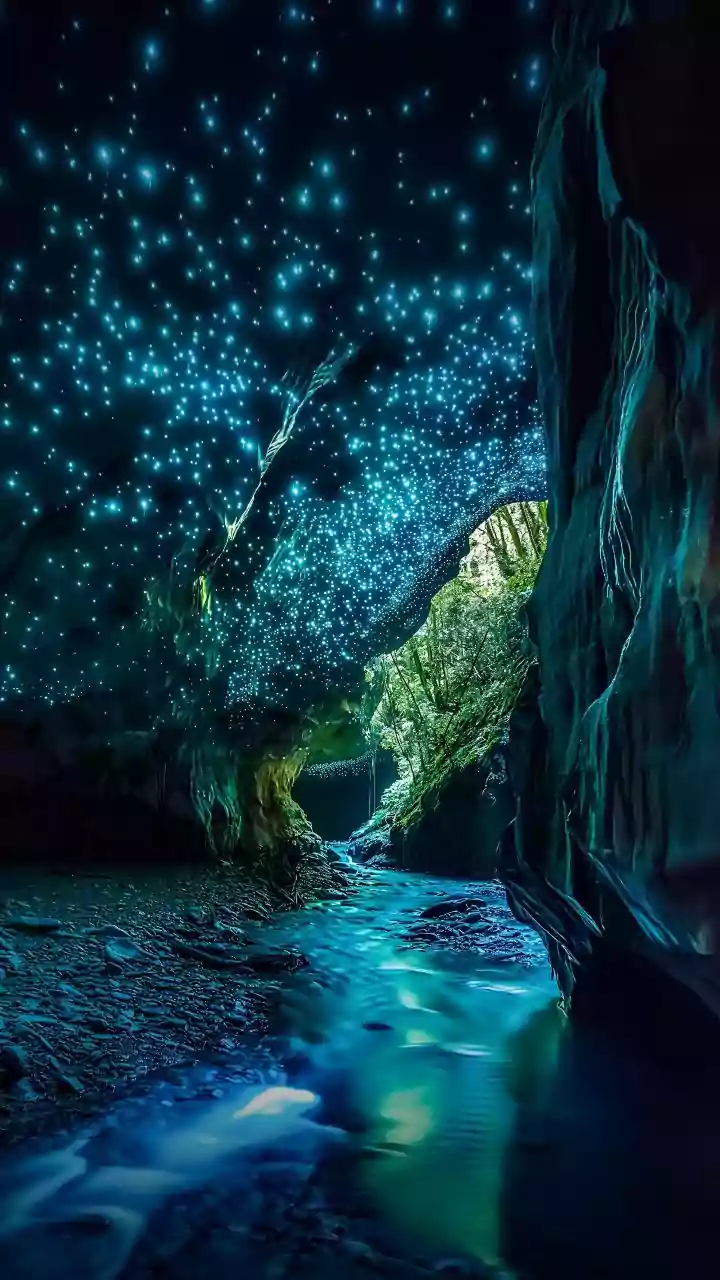
Just 15 kilometres away as the crow flies, the village of Mawsynram now holds the Guinness World Record for the highest average annual rainfall. The orographic lift—the process of air being forced up by terrain—is even more pronounced here, leading to staggering precipitation levels. Mawsynram offers a different, perhaps more raw, experience than Sohra. Life here is a constant negotiation with water. Villagers use thick layers of grass on their roofs to dampen the deafening sound of the rain. The landscape is dotted with smaller, yet intensely powerful, waterfalls that seem to spring from nowhere. The area's geological wonders, like the Mawjymbuin Cave with its massive stalagmite naturally shaped like a Shivalinga, are constantly bathed in dripping water, adding to the mystical atmosphere of a place truly at the mercy and marvel of the clouds.
A Spectacle of Living Nature
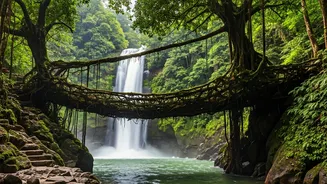
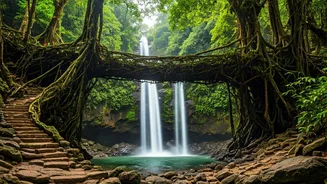
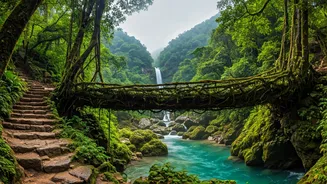
The sheer force of the monsoon would wash away ordinary bridges. But the Khasi and Jaintia people developed a solution that is as beautiful as it is ingenious: the living root bridges. By guiding the aerial roots of the Ficus elastica tree across rivers and streams, they have cultivated structures that grow stronger with time and rainfall. These bridges are a testament to a deep understanding of nature and a philosophy of working with it, not against it. During the monsoon, walking across one of these moss-covered, living structures, with a swollen river rushing below, is an unforgettable experience. It’s a powerful symbol of how life in the abode of clouds has adapted not just to survive, but to thrive amidst the deluge.
Experiencing the Deluge
A trip to Meghalaya during this season is not for the faint of heart, but it is deeply rewarding. It's a sensory immersion. The world is a palette of greens and greys, punctuated by the brilliant white of falling water. The constant sound of rain and waterfalls becomes a form of meditation. Local life continues with a quiet resilience; markets are bustling under umbrellas, and vendors sell hot tea and snacks that feel like a warm hug in the cool, damp air. This is the time to embrace the weather, to get a little wet, and to witness the planet's most dramatic rain-fed landscapes in their full, unbridled glory. It’s less a sightseeing trip and more a pilgrimage to the heart of the monsoon.