
A New Window on the Cosmos
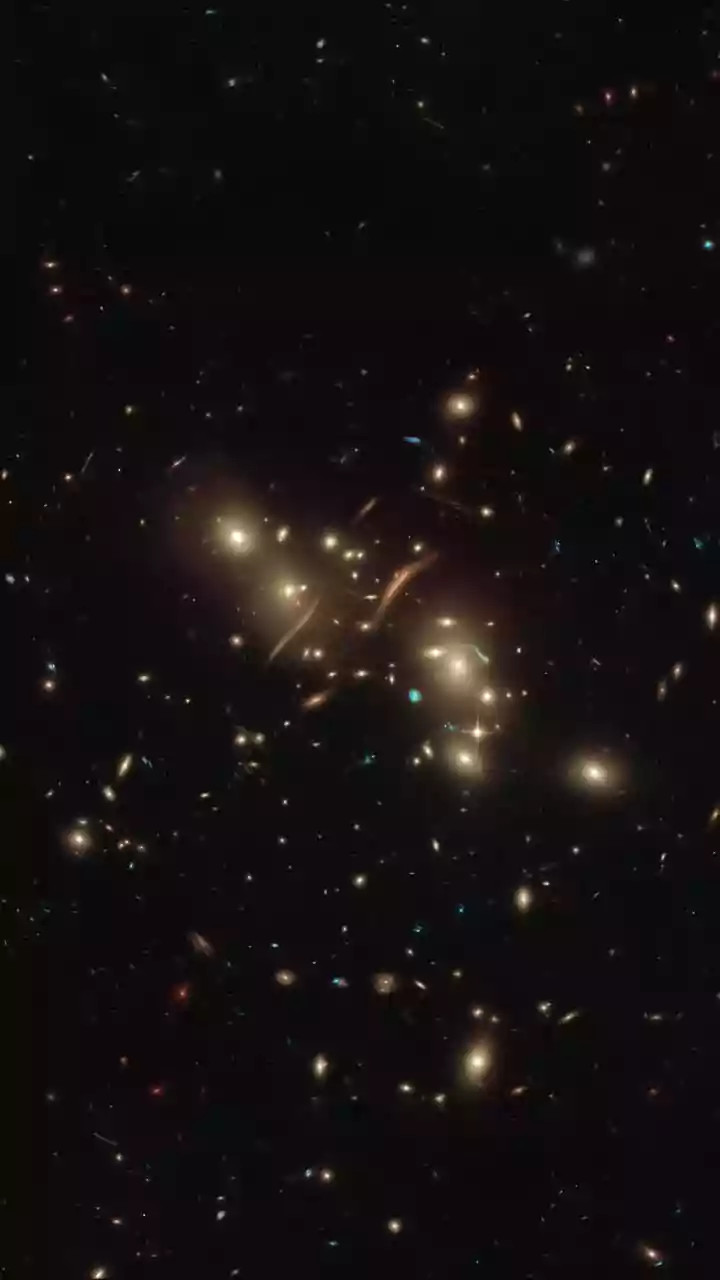
Thanks to the unparalleled power of the James Webb Space Telescope (JWST), astronomers are peeling back layers of cosmic dust and looking further back in time than ever before. Recent images released to mark the telescope's fourth anniversary showcase
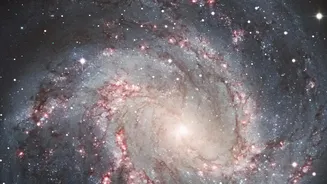
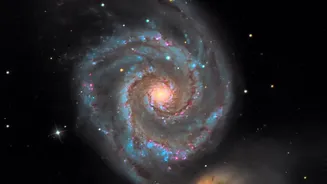
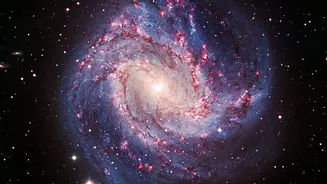
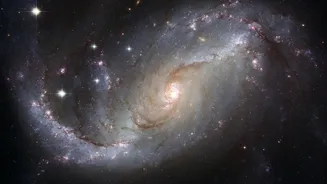
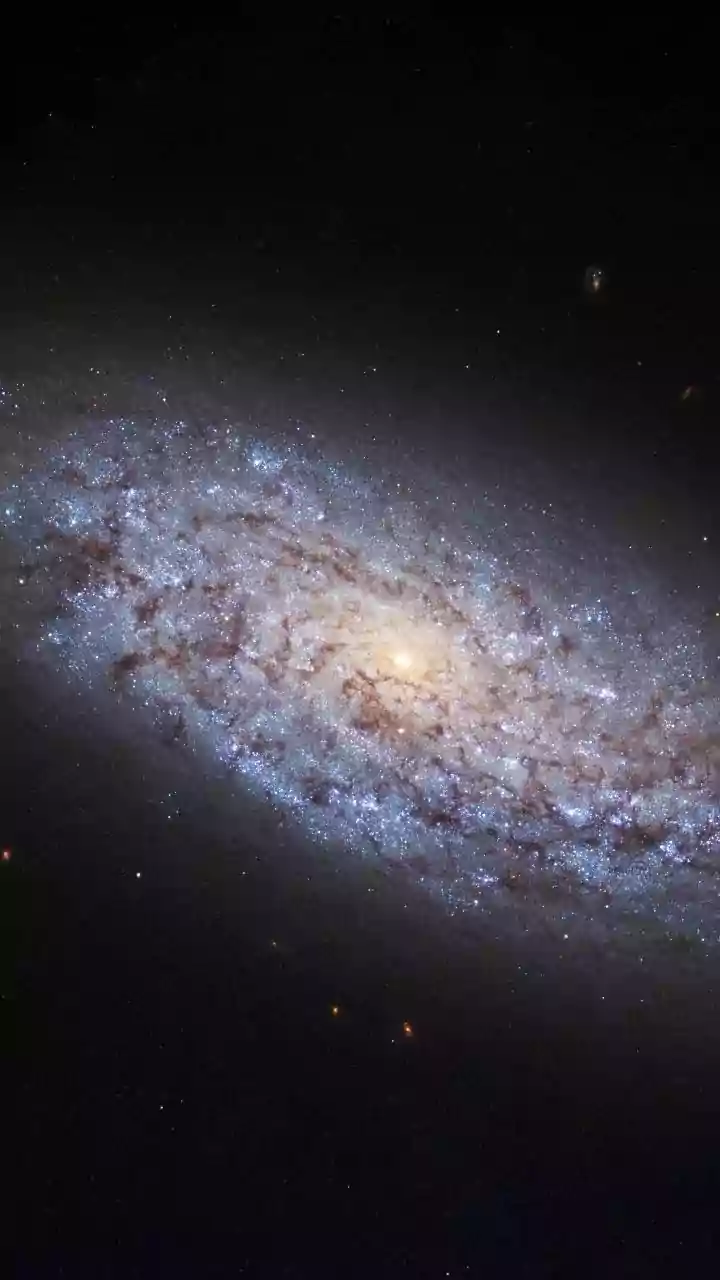
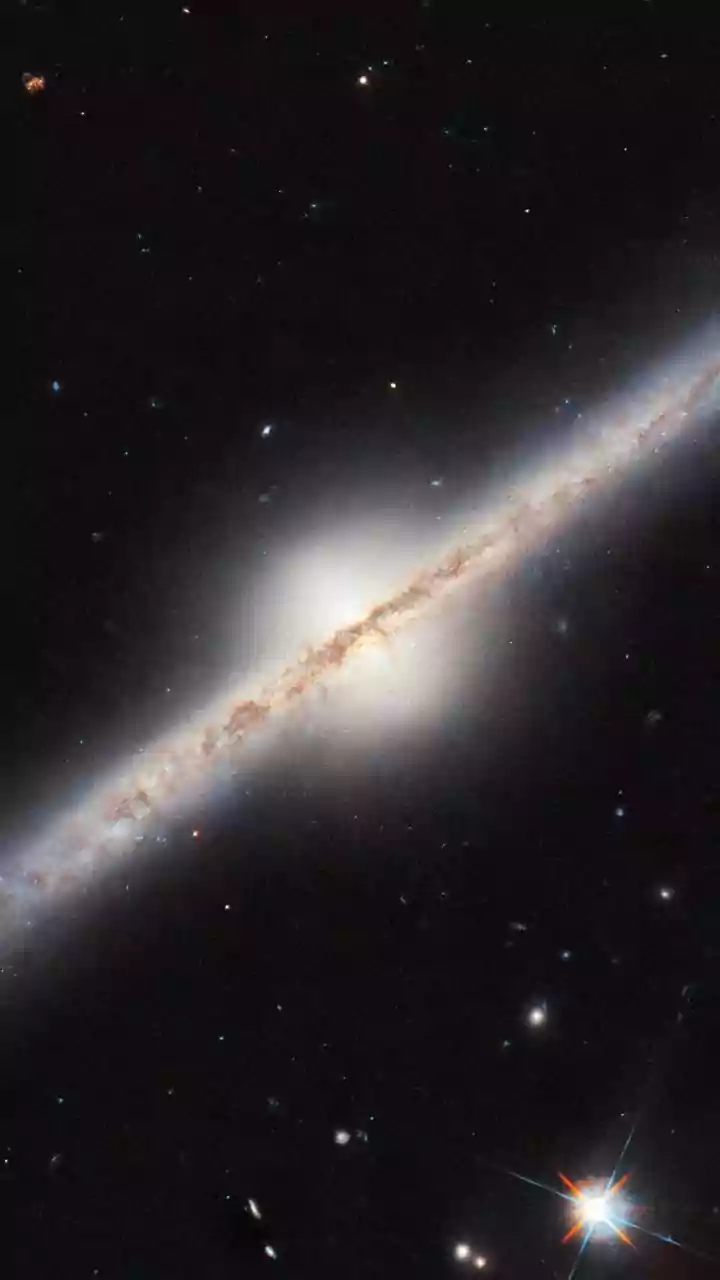
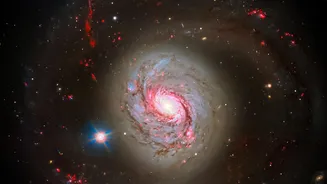
galaxies with a clarity that was previously unimaginable. One such galaxy, Centaurus A, located a relatively close 11 million light-years away, has been transformed from a familiar blur into a rich, complex tapestry of individual stars. The JWST's ability to see in near- and mid-infrared light allows it to pierce through the dense dust that once obscured our view, providing a front-row seat to the processes that shape galactic life.
The Messy Business of Building a Galaxy
For a long time, theories suggested that the first galaxies in the universe were small, chaotic, and slowly pieced themselves together. However, Webb's observations are challenging this picture. It turns out that galaxy evolution is a much more dynamic, and often violent, process than previously thought. Many galaxies, including our own Milky Way, are shaped by dramatic collisions and mergers with other galaxies. One of the most significant events in our galaxy's history was a head-on collision with a dwarf galaxy known as Gaia-Sausage-Enceladus around 10 billion years ago. This event didn't destroy the Milky Way; instead, it reshaped it, flinging stars into new orbits and triggering bursts of new star formation. These mergers are messy, but they are a fundamental part of how galaxies accumulate mass and evolve.
Black Holes as Galactic Architects
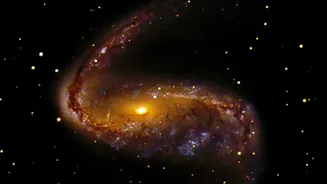
At the heart of most large galaxies, including Centaurus A and our own, lies a supermassive black hole. For years, astronomers have debated their role: do galaxies form first and then grow black holes, or do black holes act as the seeds for galaxy formation? New data from Webb provides compelling evidence that black holes are active participants in shaping their host galaxies. As a black hole at a galaxy's center feeds on surrounding gas and dust, it can launch powerful jets of energy. This outflow of energy, known as 'feedback', can have a profound effect. It can compress nearby gas clouds, triggering a flurry of new star births, but it can also blow gas out of the galaxy entirely, effectively shutting down star formation. This complex interplay helps regulate a galaxy’s growth over billions of years.
Rewriting the Cosmic Story
Perhaps the most surprising finding from Webb’s deep-space observations is how mature some of the earliest galaxies appear. Astronomers are finding galaxies that existed when the universe was only a few hundred million years old, yet they seem to have complex structures and a surprising amount of heavier elements, or what astronomers call 'metals'. These elements are forged inside stars and are crucial for building the next generation of stars and planets. Finding them in such abundance so early in cosmic history suggests that the first stars may have formed and enriched their surroundings much faster than many models predicted. These discoveries don't overturn our fundamental understanding of the universe, but they do force scientists to refine their models of how quickly the cosmos got up and running.