





The Ultimate Space-Saving Promise
Vacuum compression bags work on a simple, effective principle: removing the air trapped between the fibres of your clothing and linens. By sucking the air out, either with a small pump or by rolling the bag, you can shrink soft, bulky items by a significant
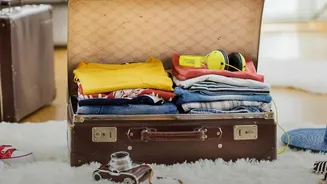
amount. For a beach trip, this is a game-changer. Think of your fluffy beach towels, sarongs, and extra t-shirts—items that take up considerable volume. Compressing them can reduce their size dramatically, freeing up precious luggage real estate for other essentials or souvenirs. Some brands claim a volume reduction of up to 80%, turning a pile of clothes into a dense, compact brick. This means you might be able to stick to a carry-on or pack for the whole family in one shared suitcase.
What to Pack, and What to Avoid
These pouches are at their best when used for soft, compressible items. Cotton t-shirts, towels, sweatshirts, and casual wear are perfect candidates. They are less effective for dense items like denim, which don't have much air to remove in the first place. However, it's crucial to avoid packing anything delicate or structured. Fabrics like silk, lace, leather, or anything with beading should not be vacuum-sealed, as the intense pressure can cause permanent damage or creasing. Similarly, while you can compress a puffer jacket for a short trip, long-term compression can damage down filling and reduce its insulating properties.
The Trade-Offs: Wrinkles and Weight
The single biggest downside to using vacuum bags is wrinkles. The intense compression forces deep creases into fabric, which can be difficult to remove. While rolling clothes before packing them can help minimize sharp fold lines, some wrinkling is almost inevitable, especially with wrinkle-prone fabrics like cotton. This may mean spending part of your vacation ironing. The other major consideration is weight. While your bag will be smaller, it won't be lighter. In fact, because you can fit more items, you are more likely to exceed airline weight limits for carry-on or checked baggage, leading to costly fees. A handheld luggage scale can be a wise investment to avoid this surprise at the airport.
Tips for Smart Compression
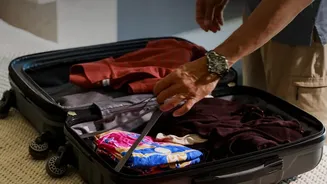
To get the most out of your compression bags, follow a few best practices. First, ensure everything you pack is completely clean and dry, as any trapped moisture can lead to mildew and odours. Don't overfill the bags; this can strain the seams and lead to seal failure. For the best results and to prevent oddly shaped lumps in your suitcase, some travelers recommend placing the filled bag inside your luggage before removing the air. This allows the bag to conform to the available space. Also, consider the types of bags available. Some require a vacuum or a portable electronic pump, while others are designed to be compressed simply by rolling the air out, which is often more convenient for repacking on your return journey.
Are They Right for Your Trip?
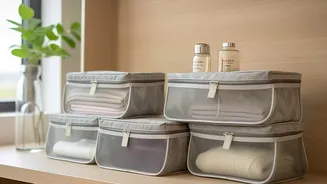
Vacuum compression pouches are a powerful tool but not a universal solution. They excel for travelers looking to maximize space with bulky, casual items, such as for a family beach trip or a ski holiday. They can help you avoid checking a bag or make room for non-compressible items. However, if your packing list includes structured outfits or delicate fabrics, or if the thought of ironing on vacation is a deal-breaker, traditional packing cubes might be a better choice. Cubes offer organization without the intense compression, keeping clothes tidier and less wrinkled. Ultimately, the choice comes down to balancing the need for maximum space against the tolerance for wrinkles and the discipline to manage weight.