


Find and Declutter Your Nook
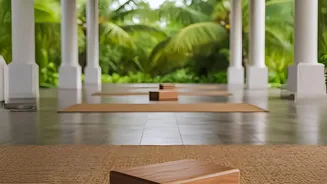
The first step costs nothing: dedicate a space. It doesn't need to be a whole room; a quiet corner in your bedroom or a small, unused area in the living room works perfectly. The key is to choose a spot with minimal foot traffic and distractions. Ideally,
pick a place near a window for natural light, which can instantly make a space feel more calming. Once you’ve chosen your spot, the most crucial action is to declutter. A tidy environment helps create a clear mind. Remove anything that isn’t essential for your practice. This simple act of clearing the area signals to your brain that this is a place for focus and relaxation.
Swap Yoga Blocks for Books
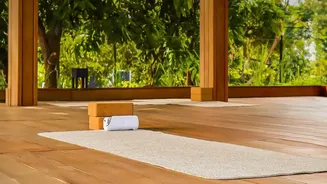
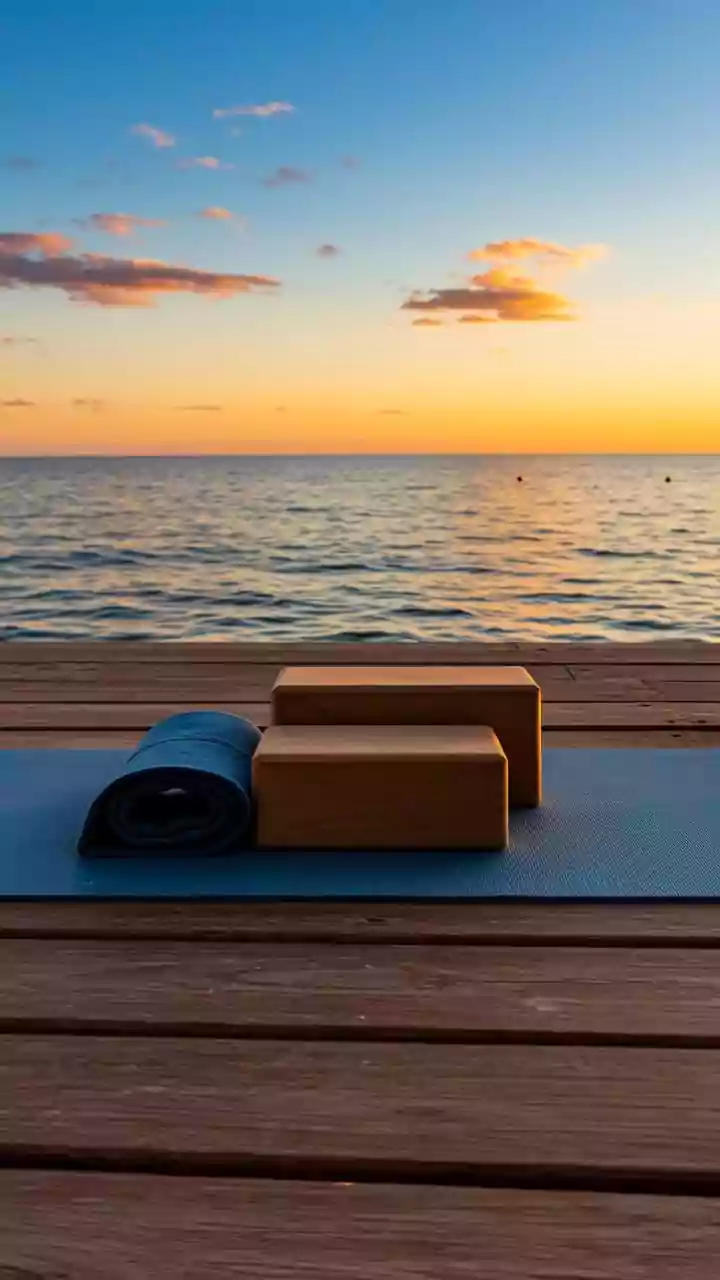
Yoga blocks are used to bring the floor closer to you and provide support, but a stack of sturdy books can do the same job. Grab a few thick, hardcover books—like old dictionaries, textbooks, or coffee table books—and you have an instant, stable prop. You can stack them to your desired height for poses like Triangle or Half Moon. For added stability, you can even tie the books together with a piece of string or a rubber band so they don't slide apart during your practice. This is one of the easiest and most effective swaps for your at-home setup.
Use a Dupatta or Belt as a Strap
A yoga strap helps deepen stretches and improve flexibility, especially in hamstring or shoulder stretches. You likely have a perfect substitute in your wardrobe. A long dupatta, a cotton scarf, or even the belt from a bathrobe can work wonderfully. These items provide the length you need to extend your reach without straining. A sturdy fabric or leather belt also works well. The goal is to use something that is long, strong, and not too stretchy, allowing you to gently pull and ease into poses, maintaining proper alignment.
Create a Bolster from Blankets and Cushions
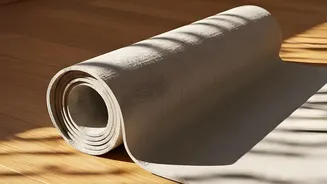
Restorative yoga poses often call for a bolster to provide support and encourage deep relaxation. Instead of buying a bulky and often expensive one, create your own. Tightly roll one or two thick blankets or towels into a dense cylinder. Alternatively, stack a couple of firm sofa cushions or pillows. These homemade bolsters are perfect for placing under your knees during Savasana (Corpse Pose) or for support in a gentle backbend. The best part is you can adjust the firmness and size by adding or removing layers to suit your comfort.
Set the Mood with Soft Lighting and Sound
Creating a sanctuary is as much about the atmosphere as it is about the props. You don't need fancy lighting systems. Simply use a lamp you already own and direct it away from your mat for a soft, indirect glow. If you enjoy it, lighting a simple candle or some calming incense can transform the feel of your space. Sound also plays a big role. Instead of silence, which can sometimes be distracting, use your phone to play a calming playlist, nature sounds, or a guided meditation track to help you get into the right headspace.
Rethink Your Floor Covering
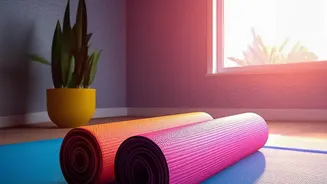
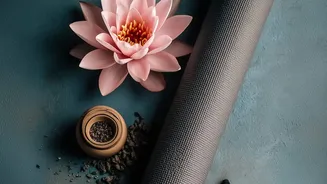
While a non-slip yoga mat is ideal, you don't have to pause your practice if you don't have one. A carpeted floor or a flat-woven rug, like a dhurrie, can provide a comfortable surface. The most important factor is that the surface isn't slippery, as safety is paramount. If you're using a rug or blanket on a hard floor, ensure it won't slide around. For seated poses or meditation, a folded blanket or a low stool can provide the necessary elevation and comfort for your hips.