



Your Balcony Garden Starter Kit
Before you get your hands dirty, a little preparation goes a long way. You don’t need a lot of expensive gear to begin. The most important choice is your soil. Never use plain garden soil in pots; it compacts easily, drains poorly, and can suffocate roots.
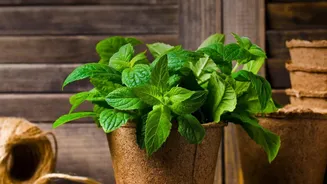
Instead, opt for a well-draining potting mix. A great beginner-friendly blend consists of potting soil, compost, and cocopeat, with some perlite or sand added to improve drainage and airflow. This combination retains enough moisture for hot days but prevents waterlogging. Terracotta pots are an excellent choice as their porous nature helps soil breathe, though any container with good drainage holes at the bottom will work perfectly. Having a small trowel and a watering can or spray bottle will make your gardening journey much smoother.
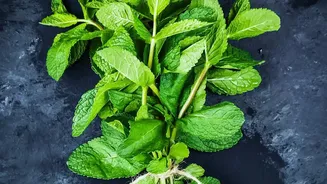
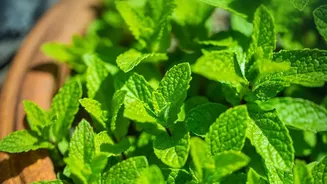
The Unstoppable Mint (Pudina)
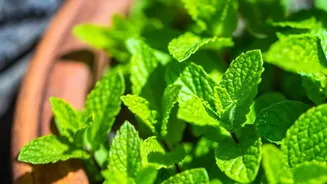
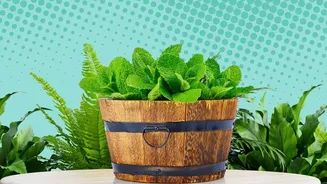
Mint is famously easy to grow and a fantastic choice for beginners. In fact, it's so vigorous that its main challenge is containment. Always plant mint in its own dedicated pot, at least 12 inches wide, to prevent its runners from taking over your entire balcony garden. You can easily start a new plant from a few healthy stems bought at the market. Just place the stems in a glass of water, and within a week or so, you'll see new roots emerge. Once rooted, plant them in your pot. Mint thrives in soil that is kept consistently moist but not soggy, so you may need to water it daily during hot summer months. It enjoys a good amount of sunlight but appreciates some partial shade during the harsh afternoon, making it adaptable to various balcony conditions. Harvest leaves regularly by pinching off the tops to encourage a bushier, healthier plant.
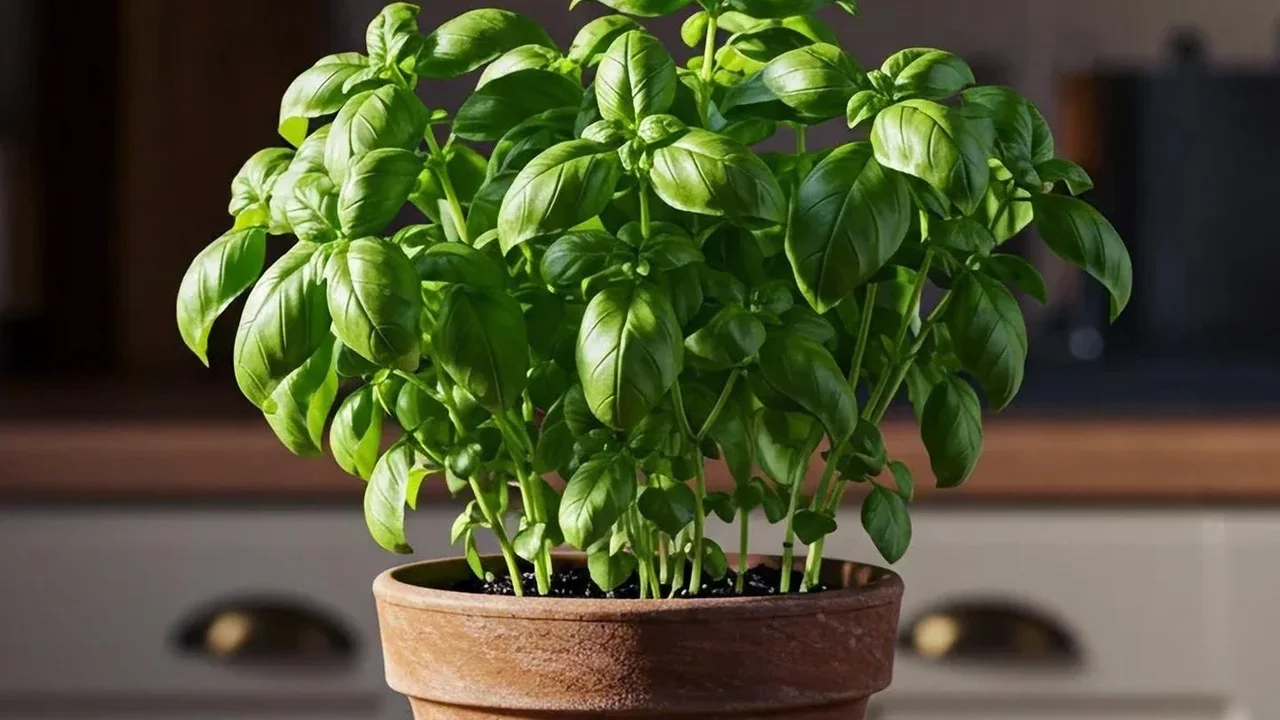
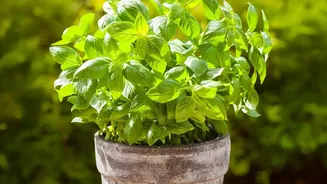
Tips for Tender Basil
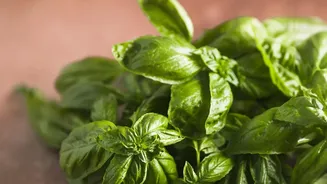
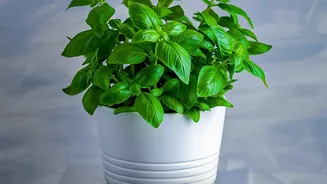
Fresh basil is a culinary delight, and while it requires a bit more attention than mint, it's very rewarding. Basil is a sun-loving herb and needs at least six to eight hours of direct sunlight daily to develop its full flavour. A south-facing balcony is ideal. Use a well-draining potting mix rich in compost. When watering, aim for the soil at the base of the plant and try to keep the leaves dry to prevent fungal issues. A good rule of thumb is to water when the top inch of soil feels dry. One of the most important aspects of basil care is regular harvesting. Pinch off the top sets of leaves frequently. This not only gives you a steady supply for your kitchen but also prevents the plant from flowering (a process called bolting), which can make the leaves bitter and slow down growth.
Patience and Care for Curry Leaves (Kadi Patta)
The curry leaf plant is a small tree, not a herb, and requires a different approach. It’s a slower-growing plant, so patience is key. It needs a larger, deeper pot to accommodate its root system and should be planted in well-draining, slightly acidic soil. The curry leaf plant loves full sun and thrives in warm temperatures, ideally between 65°F to 90°F (about 18°C to 32°C). It's crucial to get the watering right. Allow the top inch or two of soil to dry out completely before watering again. Overwatering is a common mistake and can lead to root rot, especially during cooler months when the plant may enter a dormant phase. Pruning the tips of the branches will encourage the plant to become bushier over time. Don't be discouraged if your curry leaf plant grows slowly at first; with consistent care, it will become a cherished and long-lasting part of your balcony garden.