

The Lofoten Islands: Iconic and Dramatic
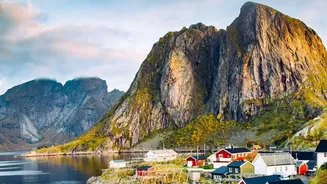
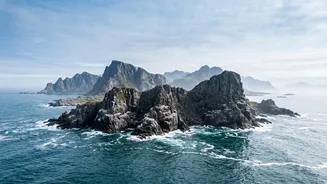
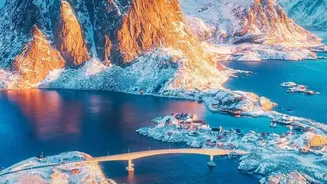
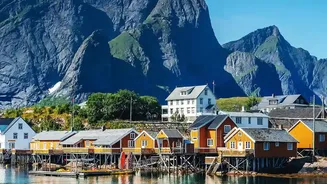
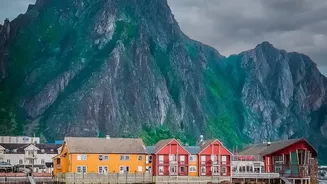
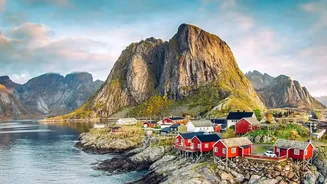
Instantly recognizable for its jagged peaks, charming red fishing cabins (rorbuer), and world-class hiking, Lofoten is Norway's most famous archipelago. Its beauty is accessible, but its popularity means planning is key. The summer months (June-August)
offer the midnight sun, making it perfect for endless days of hiking, kayaking, and photography under constant daylight. This is also peak season, bringing more visitors and higher prices. Winter (November-March), by contrast, is a quieter, more profound experience. The days are short and the landscape is draped in snow, creating a stunning backdrop for the main event: the northern lights. While some hiking is possible with guides, the main draw is the peaceful, dramatic atmosphere and the chance to see the aurora dance over the fjords.
Senja: Norway in Miniature
Often described as 'Norway in miniature', Senja offers a stunningly diverse landscape of sharp mountains, serene beaches, and lush national parks, but with fewer crowds than Lofoten. Its outer coast is a designated National Scenic Route, featuring breathtaking viewpoints like Tungeneset and Bergsbotn. Summer (mid-June to August) is the prime hiking season when trails like the one to the iconic Segla peak are generally free of snow. The midnight sun, lasting from late May to late July, provides ample light for exploration. Come winter, Senja transforms. The polar night, from late November to mid-January, offers a unique twilight beauty and creates ideal conditions for viewing the northern lights from its dark, unpolluted coastlines. Winter activities include dog sledding and snowshoeing, offering a different way to experience the island's raw nature.
Svalbard: The High Arctic Adventure
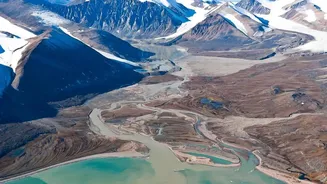
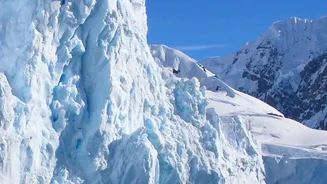
Situated halfway between mainland Norway and the North Pole, Svalbard is a destination of extremes and a true High Arctic wilderness. This is a land of glaciers, polar bears, and vast, untamed landscapes. Unlike mainland Norway, Svalbard's seasons are defined by light, not just temperature. The Polar Summer (mid-May to September) brings the midnight sun, melting the coastal snow and allowing for boat trips to see wildlife like walruses and whales. Conversely, the Northern Lights Winter (October to February) is characterized by the polar night—24-hour darkness, offering a prime canvas for the aurora. The Sunny Winter (March to mid-May) is a popular period that combines the returning sun with a deep snowpack, making it the best time for snowmobiling and dog sledding expeditions.
Vesterålen: The Year-Round Whale Kingdom
Just north of Lofoten, the Vesterålen archipelago offers a gentler, more spread-out landscape of rolling mountains and farmland. Its primary claim to fame is that it's one of the few places in the world offering whale watching safaris all year round, thanks to its proximity to a deep-sea trench rich in nutrients. Sperm whales are common in the summer, while orcas and humpback whales often visit in the winter. In summer, visitors can drive the scenic route along the coast of Andøya, hike, and enjoy the long days. Winter offers a different appeal, with opportunities for moose safaris and, of course, the northern lights, all with a fraction of the crowds found in its more famous southern neighbor.
The Vega Archipelago: A UNESCO Cultural Coastline
For a truly remote and culturally rich experience, the Vega Archipelago is unparalleled. Comprising over 6,500 islands, islets, and skerries just south of the Arctic Circle, this is a UNESCO World Heritage site. The honor was given not just for its natural beauty, but for the centuries-old, sustainable tradition of islanders caring for nesting eider ducks in exchange for their precious down. This destination is best visited in the summer (June-August) when the birdlife is abundant and you can explore the flat, lush islands by bike or kayak. It is a much quieter, less developed destination for tourism compared to the others, offering a peaceful retreat into a unique coastal heritage that is still very much alive.