


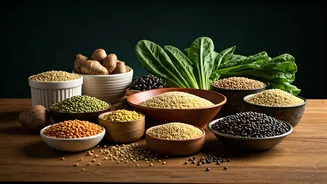


The Return of Ancient Grains
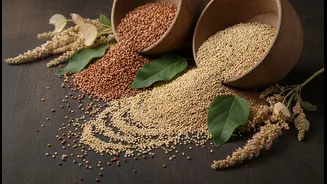
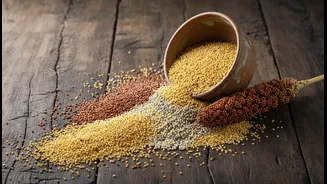
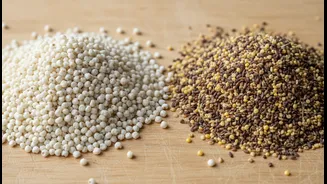
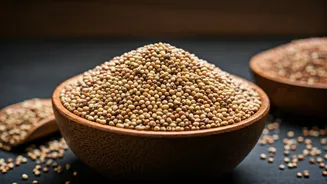
For centuries, grains like ragi (finger millet) and amaranth (rajgira) were staples in Indian households. They were the foundation of traditional diets before the Green Revolution in the 1960s and 70s prioritized high-yield crops like wheat and rice,
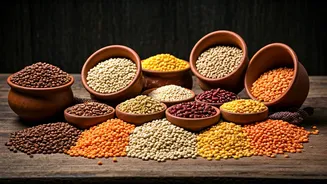
pushing these native grains to the background. Now, the pendulum is swinging back. A renewed focus on health, wellness, and nutrient diversity has sparked a major comeback for these so-called 'ancient grains'. They are no longer just a part of rural or traditional diets but are being embraced by urban India, especially by those looking for healthier, more sustainable food choices.
A Nutritional Powerhouse Duo
So, what's behind the hype? Ragi and amaranth are nutritional giants. Ragi is famously rich in calcium, containing about six times more than oats, making it exceptional for bone health. It's also packed with iron and fibre, which helps in keeping you full for longer and aids digestion. Amaranth, on the other hand, is a complete protein, containing all nine essential amino acids, a rarity in the plant kingdom. It's also gluten-free and a good source of magnesium, iron, and fibre. This potent combination of macronutrients and micronutrients provides sustained energy without the sugar spikes associated with more refined breakfast cereals, making them ideal for a productive workday.
The Convenience of 'Malt'
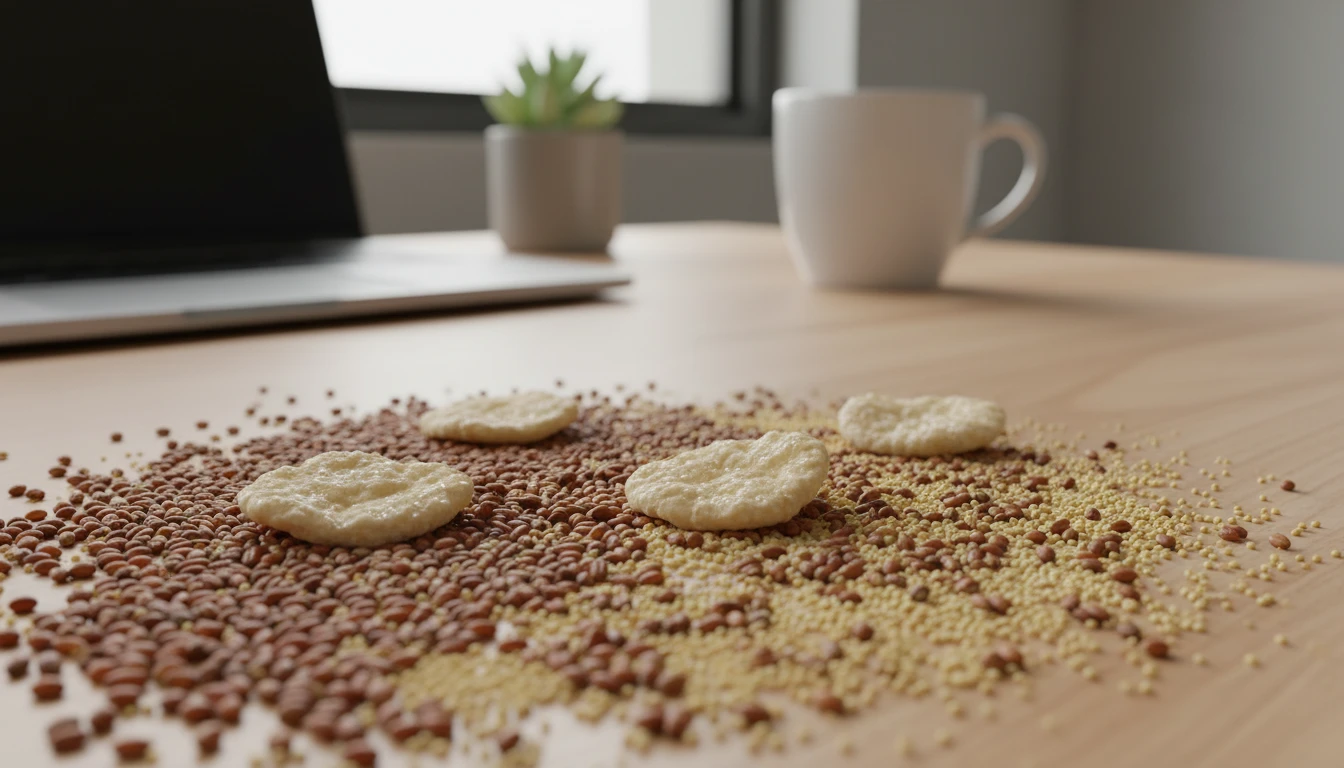
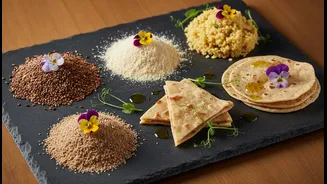
For the time-crunched corporate employee, convenience is key. This is where the 'malt' format becomes a game-changer. Malting is a process of sprouting, drying, and grinding the grain. This process not only makes the grains easier to digest but also significantly increases the bioavailability of their nutrients, meaning your body can absorb more of the good stuff. Ragi and amaranth malts are typically available as fine powders that can be quickly mixed with warm milk or water to create a nourishing porridge or drink. This offers a quick, no-fuss breakfast that is far healthier than most ready-to-eat options, fitting perfectly into a busy morning routine.
Fueling India's Hustle Culture
The corporate world runs on high energy and sharp focus, and diet plays a crucial role. Increasingly, companies and individuals recognise that a healthy breakfast is not just a meal but a strategic tool for productivity. Traditional Indian breakfasts, while delicious, can sometimes be heavy or time-consuming to prepare. Western options like sugary cereals often lead to a mid-morning energy crash. Ragi and amaranth malts offer the perfect middle ground: they are deeply rooted in Indian food wisdom, nutritionally dense, and incredibly convenient. This shift reflects a broader trend in urban India where consumers are actively seeking healthier, nutrient-rich foods that align with their demanding lifestyles.
More Than Just a Breakfast Trend
The rising popularity of ragi and amaranth malts is more than a fleeting food trend; it signifies a deeper cultural shift. It represents a move towards conscious consumption and a rejection of overly processed foods. As Indians reconnect with their culinary roots, they are rediscovering the wisdom of eating local, seasonal, and traditional grains that are perfectly suited to the climate and the gut. This return to ancient grains is not about nostalgia but about smart, modern choices. It’s about understanding that what fueled generations past holds powerful lessons for nourishing the high-performing generation of today, one healthy breakfast at a time.