






The Undisputed Champion: Plain Water
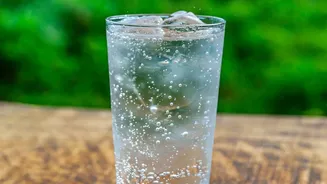
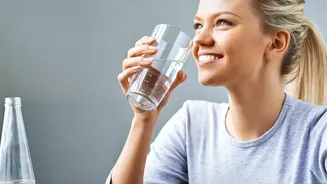
Let's start with the basics: for most people, most of the time, plain water is the best way to hydrate. Our bodies rely on water for everything from regulating temperature and protecting organs to removing waste. It's the default choice for a reason.
For daily activities like working at a desk, running errands, or light household chores, your body's fluid loss is minimal. In these situations, drinking water when you feel thirsty is perfectly adequate to keep your system balanced. A balanced diet rich in fruits and vegetables also naturally provides the essential minerals, or electrolytes, that your body needs. So, for the average day, there’s no need to reach for anything fancier.
So, What Are Electrolytes, Anyway?
Electrolytes are essential minerals like sodium, potassium, calcium, and magnesium that carry an electrical charge when dissolved in body fluids. Think of them as your body's internal communication network. They are critical for nerve function, muscle contractions, maintaining proper fluid balance, and even keeping your heart beating correctly. Normally, our kidneys do a fantastic job of keeping these minerals in perfect balance, and we get plenty from the food we eat. However, certain situations can cause us to lose electrolytes, particularly sodium and potassium, much faster than usual.
The Post-Monsoon Hydration Challenge
Post-monsoon weather presents a unique problem. The high humidity in the air means your sweat doesn't evaporate easily from your skin. This is your body's primary cooling mechanism, so when it's impaired, your body works overtime, leading to more prolonged and profuse sweating as it tries to cool down. While you might not feel as parched as you would on a dry summer day, you could be losing a significant amount of both water and essential electrolytes. This hidden fluid loss is why hydration during humid months requires special attention. Waiting until you feel thirsty might be too late, as humidity can sometimes suppress your body's natural thirst signals.
When You Genuinely Need Electrolytes
Electrolyte drinks become necessary when you're losing a lot of sweat and can't replace those minerals through food alone. The general rule is to consider an electrolyte drink if you've been doing intense physical activity for more than an hour, especially in the heat. This applies to athletes, outdoor labourers, or anyone engaged in a strenuous workout. Other situations include illness involving vomiting or diarrhoea, which also causes rapid fluid and electrolyte loss. If you're experiencing symptoms like muscle cramps, dizziness, persistent fatigue, or headaches after sweating a lot, your body might be telling you it needs more than just water.
A Word of Caution on Sports Drinks
While electrolyte drinks have their place, not all are created equal. Many popular sports drinks are loaded with sugar and artificial ingredients that you simply don't need for everyday hydration. Consuming too many of these can lead to an electrolyte imbalance, causing symptoms like bloating, high blood pressure, or even an irregular heartbeat. For most people, drinking them daily when it's not necessary is not recommended. Always read the label. For a healthier alternative, consider options like coconut water, which is naturally rich in potassium, or even making your own at home.
The Verdict: Listen to Your Body
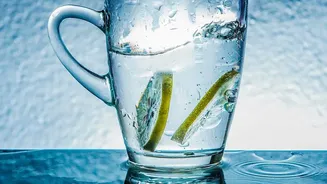
For an average day during the post-monsoon season, even with the humidity, plain water is sufficient for hydration. Aim for around 8-10 glasses a day, but listen to your body's needs. If you find yourself sweating heavily for a prolonged period, that's when you should consider an electrolyte boost. You don't need a commercial drink for this. A simple and effective homemade solution is the classic nimbu pani—just mix the juice of half a lime, a pinch of salt, and a teaspoon of honey or sugar in a glass of water. This simple concoction helps replenish the key electrolytes lost through sweat and aids in faster fluid absorption.