




The Allure of the First Downpour
For most, the Indian monsoon is a period of relief, a break from the oppressive summer heat. But for a growing number of enthusiasts, it's an event worth travelling for. These are the 'monsoon chasers'—groups of friends, families, and solo travellers
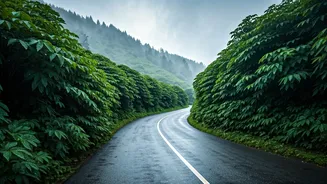
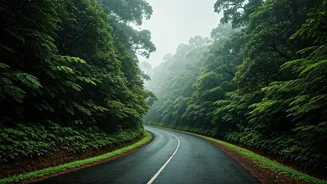
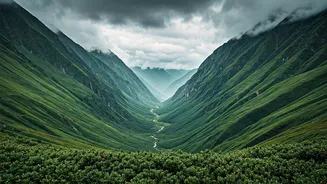
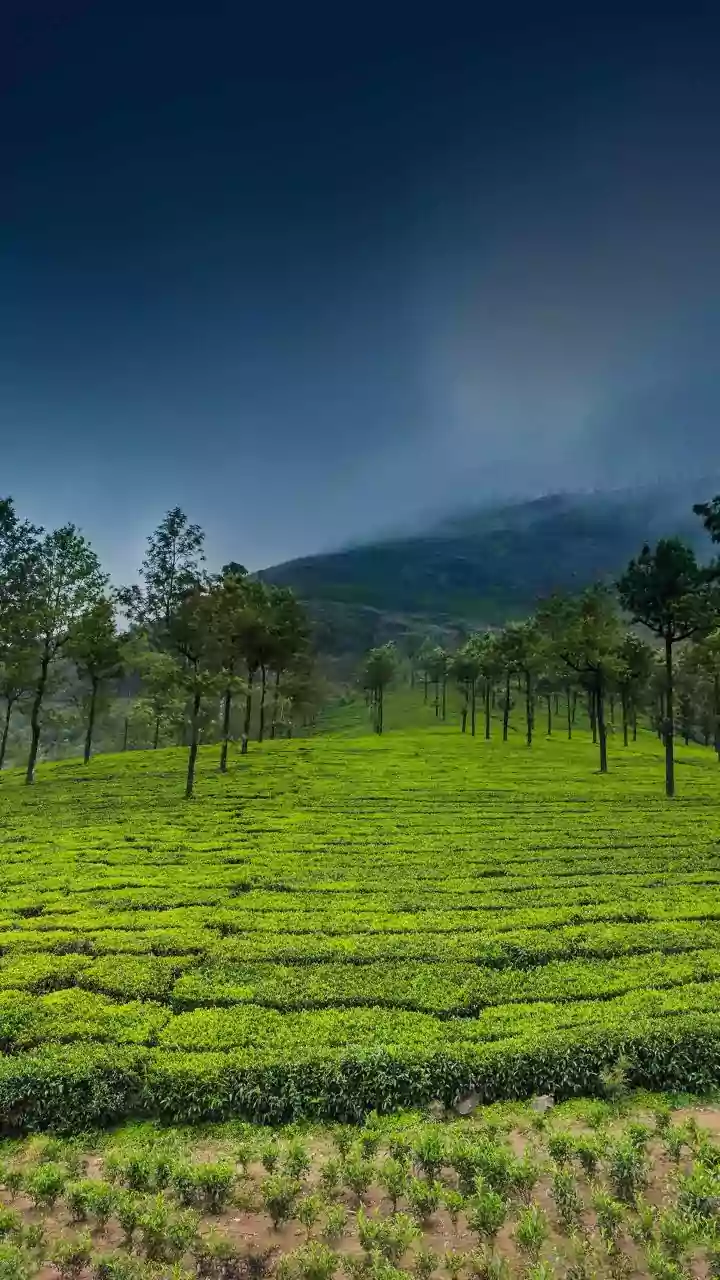
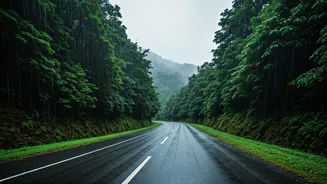
who plan their holidays not to escape the rain, but to be the first to welcome it. The appeal is elemental and deeply sensory. It’s the smell of petrichor, the earthy scent released when rain falls on dry soil, a fragrance that feels hardwired into the Indian soul. It's the dramatic transformation of a parched, brown landscape into a lush, vibrant green canvas. While others might see cancelled plans and traffic snarls, these travellers see adventure, beauty, and a chance to connect with nature at its most theatrical.
Why Homestays Are the Ideal Base
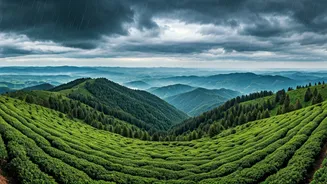
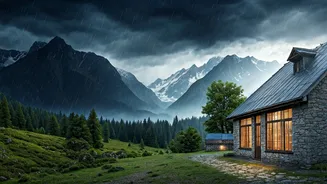
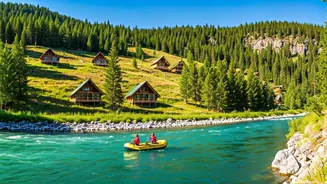
The choice of accommodation is key to the experience, and for monsoon chasers, hotels often feel too impersonal. The headline’s mention of homestays is crucial. A homestay offers a front-row seat to the spectacle. Imagine a quaint cottage in the Western Ghats or a wooden house in the Himalayan foothills, with a veranda that opens up to a sprawling valley. This is the vantage point these travellers seek. It’s not just about a room; it’s about an immersive experience. The hosts often become guides, pointing out the best trails for a misty morning walk or sharing stories of monsoons past. And then there's the food: the joy of sipping hot chai and eating freshly fried pakoras, listening to the rhythmic drumming of rain on a tin roof, is an experience a hotel buffet can rarely replicate. This preference for authenticity drives the demand for properties that offer a connection to the place, not just a bed for the night.
The Early Booking Rush
This isn't a last-minute decision. The most sought-after homestays, especially those with panoramic views in popular monsoon destinations like Lonavala, Malshej Ghat, Coorg, Munnar, and parts of Uttarakhand and Himachal Pradesh, are booked out weeks, sometimes months, in advance. Online communities and WhatsApp groups dedicated to monsoon trekking and travel buzz with activity as early as April. Recommendations are shared, reviews are scrutinised, and bookings are swiftly made. The goal is to secure a spot for that magical period in June when the first showers are predicted to hit the hills. Property owners have noticed this trend, with many reporting that their monsoon calendars fill up faster than their peak summer season. The 'early bird' isn't just getting the worm; they're getting the best view of the storm.
An Itinerary for the Senses
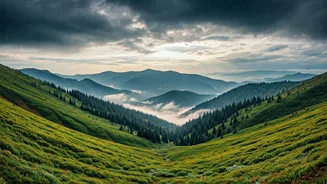
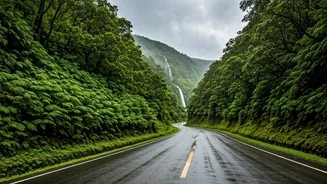
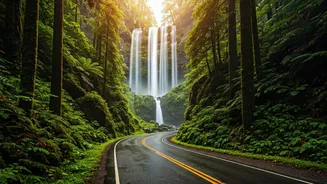
What does a monsoon-chasing trip actually look like? It’s a delicate balance of activity and stillness. Mornings might be spent on short treks to chase waterfalls that spring to life overnight, their roar echoing through the valleys. The trails are muddy and slippery, but that’s part of the adventure. Afternoons are often reserved for indoor pursuits—reading a book by a window, playing board games, or simply watching the clouds roll in and transform the landscape in a matter of minutes. For photographers, it’s a dream season, offering misty frames, dramatic skies, and unparalleled shades of green. It's a social activity, too. Groups often bond over the shared experience, gathering in the common areas of a homestay, united by their appreciation for the rain. It’s a form of slow travel that prioritises being present over ticking off a checklist of sights.