








More Than Just a Play Area
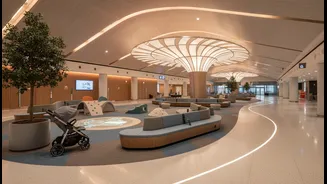
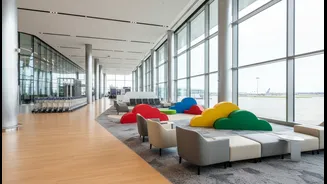
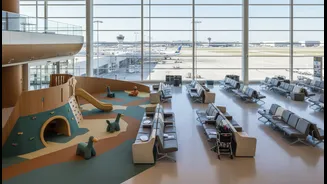
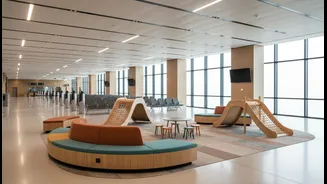
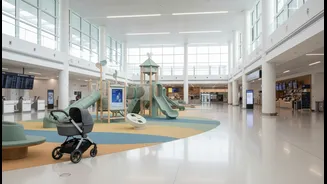
The most visible sign of a family-friendly airport is the children’s play area, but modern design goes far beyond a simple slide and a few soft blocks. The best airports integrate play into the terminal experience. At Singapore's Changi Airport, for example,
themed play areas and interactive art installations are woven into the terminal, turning the pre-flight wait into an adventure. These spaces are not just about burning off energy; they are strategically designed to reduce parental stress. When children are safely engaged and entertained, the entire terminal environment becomes calmer. Airports like Chicago O'Hare and Dallas/Fort Worth have also embraced this, offering educational and interactive play zones that captivate children's imaginations. The result is a more pleasant experience for families and, by extension, all other passengers in the terminal.
Streamlining the Stress Points
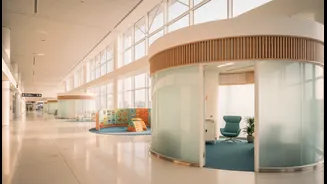
True family-friendly design tackles the biggest stress points head-on. The security check is a prime example. A growing number of airports now offer dedicated family security lanes. These lanes provide more space and a more relaxed pace, allowing parents to manage strollers, liquids, and children without feeling rushed by impatient business travellers. The US Transportation Security Administration's "Families on the Fly" initiative has helped formalise these lanes at numerous airports. Beyond security, thoughtful design extends to restrooms and amenities. Airports are increasingly installing spacious family restrooms with kid-sized toilets, as well as private nursing rooms or pods for mothers, as mandated by laws like the Friendly Airports for Mothers Act in the US. These facilities ensure privacy and comfort, removing significant hurdles for parents on the go.
Designing for Calm and Intuition
The overall atmosphere of an airport terminal can significantly impact a family's stress levels. Architectural firms are now using principles of biophilic design, incorporating natural light, indoor greenery, and natural materials to create a more calming environment. Bengaluru's Kempegowda International Airport's Terminal 2, with its extensive use of bamboo and a 'forest belt', is a prime example of creating a tranquil, nature-inspired space within a bustling hub. Furthermore, some airports are creating sensory rooms designed for children with autism or other sensory sensitivities. These quiet spaces, like those at Minneapolis-St. Paul (MSP) and Phoenix airports, offer softer lighting and soundproofing to provide a refuge from the terminal's often overwhelming environment. Clear, intuitive signage and layouts that minimise walking distances also contribute to a less frantic journey.
Leaders in Family-Friendly Design
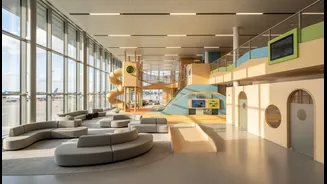
Around the world, certain airports have become benchmarks for family travel. Singapore Changi is consistently ranked at the top, not just for its play areas but for its butterfly garden, movie theatre, and even a rooftop pool. Amsterdam's Schiphol features a Kids Forest play area, and Munich Airport has 'Kinderland,' a supervised childcare space. In the US, airports like LaGuardia now feature imaginative play spaces reflecting New York City, complete with interactive screens and sky bridges for plane spotting. Even in India, airports in Bengaluru and Hyderabad have been recognised for their growing emphasis on passenger-centric and family-friendly services. These airports demonstrate that investing in family amenities is not just a frill but a core part of providing a superior passenger experience for everyone.