





A Selective Return to the Big Screen
After a period of uncertainty, the Indian box office is showing robust signs of life. In the first half of 2026, multiplex collections saw a significant jump of 21% year-on-year, with footfalls also rising by 5%, reversing previous declines. But this
isn't an indiscriminate rush back to the movies. Audiences, now accustomed to the endless libraries of OTT platforms, have become highly selective. The question is no longer just 'What's playing?' but 'What's worth leaving the house for?' The answer, more often than not, is an event. The data suggests that for a film to command theatrical attention, it must promise an experience that a home setup simply cannot replicate.
The Irresistible Pull of the Event Film
Look at the highest-grossing Indian films of the last few years and a clear pattern emerges. Titles like 'Baahubali 2: The Conclusion', 'RRR', 'K.G.F: Chapter 2', and recent hits like 'Dhurandhar: The Revenge' are not just movies; they are cultural phenomena built on a foundation of breathtaking scale. These productions leverage cutting-edge VFX, sprawling action sequences, and larger-than-life narratives to create an overwhelming sensory experience. They transform a trip to the cinema from a passive viewing into an active, communal event. This 'event-isation' of cinema is proving to be the most potent weapon in the multiplex arsenal, creating a fear of missing out that streaming convenience cannot match.
The Home Screen Dilemma
The convenience of streaming has fundamentally altered audience calculus. With the knowledge that most films will land on a digital platform within weeks of their theatrical debut, the incentive to 'wait and watch' is powerful. This dynamic has forced a bifurcation in the market. While dramas, comedies, and smaller films might be perceived as perfectly suitable for home viewing, visual epics create a sense of urgency. The promise of an immersive, big-screen format becomes the primary differentiator. Audiences are signalling that they will pay a premium for experiences that justify the ticket price, the travel, and the time, leaving other content for their OTT watchlists.
More Than a Movie, It's an Experience
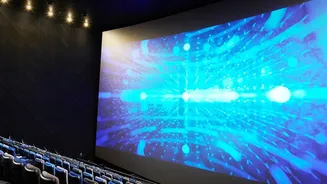
Modern multiplexes are no longer just showing films; they are selling an enhanced experience. The rise of premium formats like IMAX, 4DX, and Dolby Atmos is a direct response to this trend. These technologies are tailor-made for spectacle, amplifying the impact of explosive sound design and stunning visuals that filmmakers are increasingly building their movies around. This technological arms race between cinemas and home entertainment systems is one the cinemas are winning, at least for now. By offering an immersive environment that enhances the blockbuster, they are reinforcing the unique value proposition of the theatrical experience and giving audiences a compelling reason to show up.
What About Strong Stories?
The dominance of spectacle doesn't mean storytelling is dead. In fact, a parallel trend has seen a resurgence of mid-budget, high-concept films finding significant success. Movies with compelling narratives and strong word-of-mouth have proven they can still draw crowds, contributing to a healthier, more diverse film ecosystem. However, while these films are crucial for keeping theatres busy and satisfying a broader taste, they don't typically deliver the record-shattering numbers of the mega-blockbusters. Industry insiders note that without the massive revenue generated by a handful of event films each year, the financial health of multiplexes would be precarious. The blockbusters, therefore, act as the financial anchors that allow a wider variety of films to coexist in theatres.