





The Ultimate Bowl of Comfort
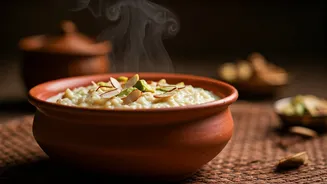
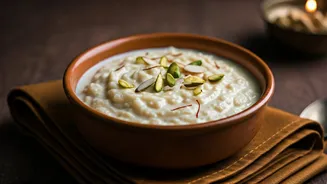
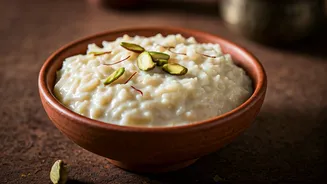
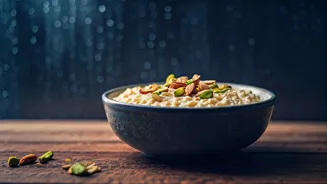
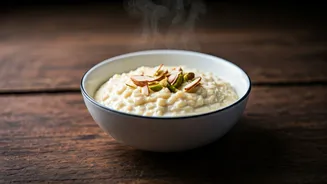
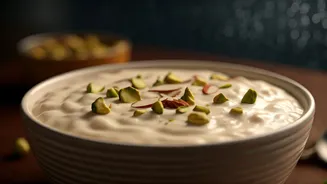
There are few things as universally comforting as a warm, sweet dessert, and kheer is a prime example. At its heart, it’s a simple pudding made by simmering rice, milk, and sugar together until they transform into a creamy, luscious dish. The slow-cooking
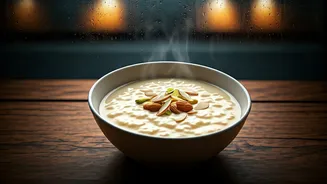
process allows the ingredients to meld, creating a texture that is both soothing and deeply satisfying. This warmth and creaminess are a direct counter to the damp chill of a rainy day, offering a sense of inner warmth that a cup of tea alone cannot provide. Flavoured with aromatic spices like cardamom and saffron, a bowl of kheer doesn't just please the palate; it engages all the senses, filling your kitchen with a sweet fragrance that instantly lifts the spirits. It’s a dessert that feels like a hug in a bowl, making it the perfect companion for an afternoon spent indoors.
A Sweet Taste of Tradition
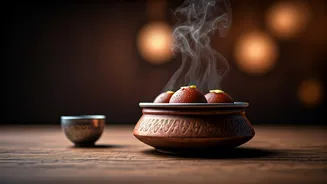
Kheer is more than just a dessert; it’s a dish steeped in history and tradition across the Indian subcontinent. Its origins can be traced back thousands of years, with some believing it was first prepared in the Lord Jagannath Temple in Odisha. The word itself is derived from the Sanskrit word 'Kshirika,' meaning a dish cooked with milk. For centuries, it has been a staple at celebrations, festivals, and religious ceremonies, symbolizing joy, abundance, and unity. From Diwali to Eid, weddings to birthdays, a serving of kheer marks moments of happiness. This rich cultural heritage adds another layer of comfort. When you make kheer, you're not just cooking a dessert; you're participating in a tradition that has brought families and communities together for generations, turning a simple rainy day into a quiet celebration of your own.
A Kheer for Every Craving
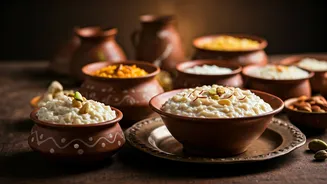
The beauty of kheer lies in its wonderful versatility. While rice kheer (chawal ki kheer) is the most classic version, there are numerous variations to suit any taste or what you have on hand. Seviyan kheer, made with roasted vermicelli, offers a lighter texture with delicate strands suspended in the creamy milk. It’s a quicker alternative that delivers the same comforting warmth. Another popular choice is sabudana kheer, made with tapioca pearls. This version has a uniquely thick and slightly chewy texture that many find delightful. Beyond the base ingredient, you can find recipes using carrots, apples, or even bottle gourd (lauki). Each variant offers a different experience, from the earthy sweetness of carrot kheer to the nutty flavour of a quinoa-based version. This adaptability means you can always find a kheer to match your rainy-day mood.
The Simple Joy of Making It
On a day when you’re stuck indoors, the process of making kheer can be as comforting as eating it. The preparation is a slow, mindful dance of simmering and stirring. It requires patience, asking you to stand by the stove, gently stirring the pot to prevent the milk from scorching as it thickens. This meditative process can be a welcome distraction from the world outside. As the milk reduces and the rice softens, the air fills with the gentle scent of cardamom and saffron. The simple act of toasting nuts like almonds and pistachios in a little ghee to use as a garnish adds another layer of aroma and flavour. It’s a low-effort, high-reward activity that transforms basic pantry staples—rice, milk, sugar—into something truly special, making the journey just as sweet as the destination.