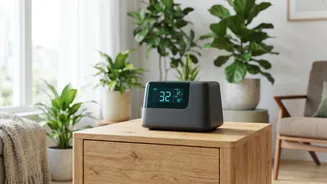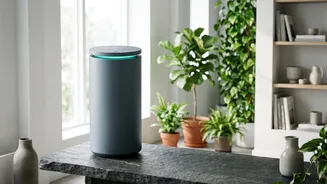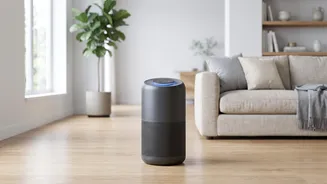









We make our homes airtight to save energy and keep outdoor pollution at bay. But this very efficiency could be trapping an invisible threat inside: fine dust from our daily activities, creating an unhealthy environment where we feel safest.
The Unseen Dust in Your Home
When we think
of dust, we often picture the visible fluff on shelves. But the real concern is the fine and ultrafine particulate matter, often called PM2.5, which is invisible to the naked eye. This isn't just soil tracked in from outside. A significant portion is generated indoors through everyday tasks. Cooking, especially frying and grilling, releases tiny particles into the air. Burning candles or incense, using certain cleaning products, and even the simple act of moving around can stir up and release these fine dust particles. This dust is a complex mixture of dead skin cells, fabric fibres, pet dander, and chemical residues.
The Energy-Efficiency Trap
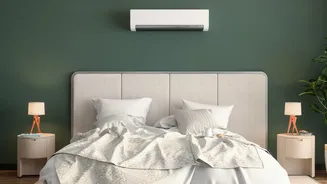
Modern construction and retrofitting efforts rightly focus on making homes more energy-efficient. Tightly sealed windows, doors, and building envelopes are excellent for maintaining temperature and lowering energy bills. However, this airtightness comes with a significant downside: reduced natural ventilation. In older, 'leaky' homes, indoor pollutants had a way of escaping. In today's sealed environments, these pollutants have nowhere to go. Without adequate air exchange, fine dust, allergens, and other contaminants generated indoors accumulate, meaning indoor air can sometimes be more polluted than the air outside.
What Are the Health Risks?
The reason fine and ultrafine particles are so worrying is their size. Being 10 micrometres or smaller, they can bypass the body’s natural defences and travel deep into the lungs. Exposure can lead to a range of health issues, from irritation of the eyes, nose, and throat to more severe problems. For those with pre-existing conditions, the impact is even greater. Particulate matter is known to aggravate asthma and other chronic lung diseases. Long-term exposure is linked to serious health outcomes, including respiratory infections, heart disease, and other long-term conditions. Children and the elderly are particularly vulnerable to these effects.
The Simple Power of Ventilation
The most fundamental solution to indoor air pollution is ventilation—exchanging stale indoor air with fresh outdoor air. This dilutes and removes the concentration of pollutants that have built up. You can achieve this through simple 'natural' methods like opening windows and doors for even just 15–20 minutes a day. For more targeted removal, 'spot' ventilation is key. Always use an exhaust fan in the kitchen when cooking and in the bathroom when showering to remove moisture and contaminants at the source. In highly sealed homes, a mechanical ventilation system might be necessary to ensure a consistent supply of fresh air without compromising energy efficiency.
Purifiers and Source Control
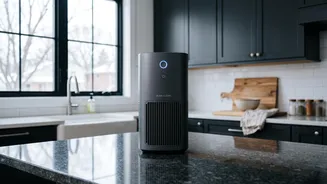
When ventilation isn't enough or outdoor air is heavily polluted, air purifiers can be a powerful tool. A purifier equipped with a High–Efficiency Particulate Air (HEPA) filter is the gold standard, designed to capture at least 99.97% of airborne particles as small as 0.3 microns, including dust, pollen, and pet dander. Studies show that using a HEPA purifier can significantly reduce indoor PM2.5 concentrations. For best results, choose a purifier sized for your room and run it continuously. Remember, purifiers work best alongside regular cleaning, as they capture airborne dust but not what has already settled on surfaces.
Small Habits, Big Impact
Beyond ventilation and purifiers, several small habits can make a big difference in controlling indoor dust. Use doormats to trap dirt at the entrance. When dusting, use a damp or microfiber cloth that traps particles instead of just stirring them into the air. Vacuuming regularly, especially with a vacuum that has a HEPA filter, is crucial for removing dust from floors and furniture. Washing bedding weekly in hot water helps control dust mites. Finally, reducing clutter gives dust fewer places to settle, making your cleaning routine more effective.