





Understanding September’s Weather
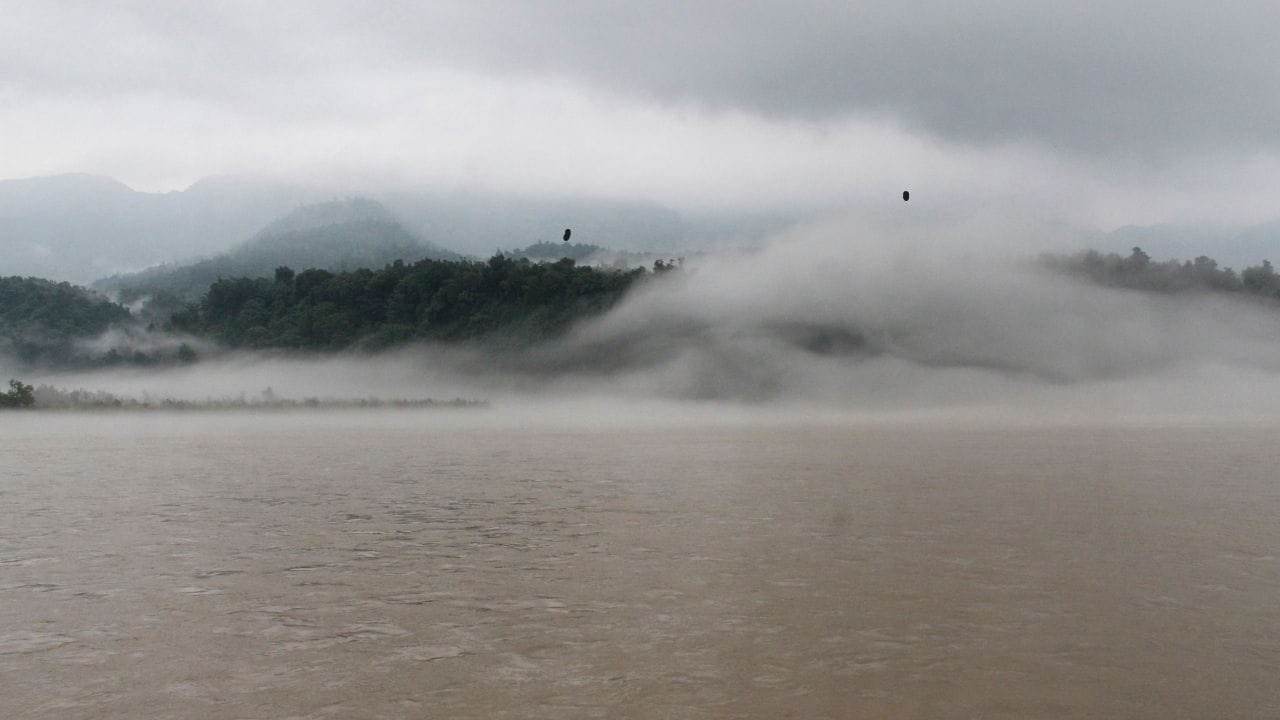
September marks the retreat of the monsoon across most of India, but it doesn't happen all at once. While northern regions like Rajasthan and Delhi begin to dry out with clearer skies, many southern and coastal areas can still experience significant,
if sporadic, rainfall. Temperatures remain warm and humidity is high, typically ranging from 25°C to 33°C in many parts of the country. This mixed bag of conditions is precisely why September is considered a “shoulder season”: the weather is improving and crowds are smaller, but you can’t expect perfect sunshine every day. This makes it a fantastic time for savvy travellers who are willing to trade a little uncertainty for better deals and a more authentic experience.
Build a Flexible Itinerary
The key to a successful September trip is flexibility. Instead of a rigid, hour-by-hour schedule, build a plan with options. Avoid booking non-refundable tours for every day of your trip. Instead, create a list of primary outdoor activities and a secondary list of compelling indoor alternatives. This could mean swapping a long hike for a visit to a local museum or a cooking class. Many booking platforms now offer flexible cancellation policies; use them to your advantage for hotels and even some flights. It’s also wise to build buffer days into your travel, especially if you have crucial connections or events planned. This approach allows you to adapt to the weather in real-time, turning a potential disruption into a new adventure.
Choose Your Destination Wisely
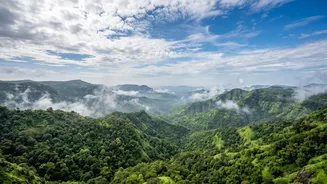
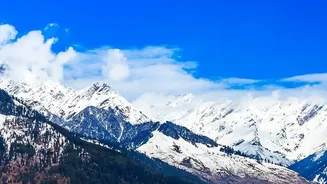
While no destination is completely risk-free, some are better bets than others in September. The northern plains and Rajasthan see significantly less rain, making it a great time to explore the Golden Triangle (Delhi, Agra, Jaipur) with fewer crowds. The Himalayas, in places like Himachal Pradesh and Ladakh, are also excellent before the winter cold sets in. Conversely, hill stations in the south like Munnar and Coorg, or coastal areas in Kerala and Goa, are at their most lush and green but still prone to showers. These destinations are perfect for what are sometimes called 'monsoon retreats', where the goal is to enjoy the rain-washed scenery from a cosy resort or homestay rather than ticking off a long list of outdoor sights.
Your Indoor Activity Playbook
Having a rainy-day plan B doesn’t mean being bored in your hotel room. Every Indian city and town has a rich layer of indoor culture waiting to be explored. Major cities like Delhi, Mumbai, and Hyderabad are home to world-class museums that can easily fill an entire afternoon, such as the National Museum or Salar Jung Museum. Look for local cooking classes to learn the region's culinary secrets, a perfect activity for a drizzly day. Exploring vibrant covered markets, spending an afternoon in a charming cafe, or even booking a spa treatment at a local wellness centre are all fantastic ways to wait out a downpour. These experiences often provide a more intimate connection with the local culture than a typical sightseeing tour.
Pack Smart, Not Just for Sun
Your packing list is your first line of defence. Instead of heavy winter wear, think in layers. Lightweight, breathable fabrics like cotton and linen are ideal for the humid conditions. A compact, high-quality waterproof jacket or poncho is non-negotiable. It’s far more practical than an umbrella, which can be cumbersome in crowded places or windy conditions. Quick-dry clothing and an extra pair of walking shoes are essential; nothing is worse than starting the day with damp clothes or footwear. Also, consider waterproof bags or cases for your electronics and important documents like your passport. A little preparation in your luggage can save a lot of discomfort on the road.