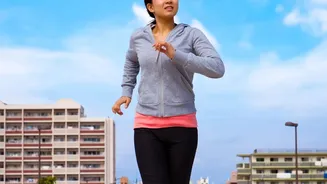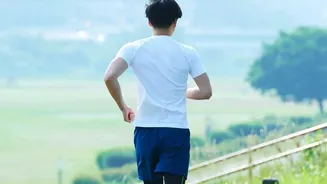





A quiet revolution is taking place at dawn and dusk across India's metro cities. Forget the sterile hum of the treadmill; a growing number of fitness enthusiasts are rediscovering the simple, profound benefits of their neighbourhood parks.
The Green Gym Phenomenon
In cities like
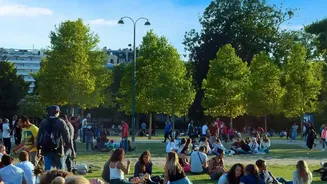
Bengaluru, Mumbai, and Delhi, local parks are buzzing with a new kind of energy. It's no longer just the domain of senior citizens on their morning constitutional. Today, you're just as likely to see groups of young professionals in a high-energy workout, runners training for a 10K, or circles of people engaged in everything from laughter yoga to calisthenics. This isn't a fleeting trend but a significant shift in urban fitness culture. It represents a move away from the solitary, often intimidating, environment of a traditional gym towards something more organic, social, and accessible. Parks like Cubbon Park in Bengaluru and Mahalaxmi Racecourse in Mumbai have become vibrant hubs where entire communities gather to pursue health and wellness collectively.
Why Outdoors is the New Indoors
Several factors are driving this exodus from air-conditioned gyms to open green spaces. The most obvious is cost. With gym memberships often running into thousands of rupees per month, the free access to public parks is a compelling alternative. But the motivations run deeper than just economics. The post-pandemic era has left many with a lasting appreciation for fresh air and open spaces, making outdoor workouts a preferred choice for mental and physical health. Exercising in a natural environment, often called 'green exercise', is proven to reduce stress and improve mood more effectively than indoor workouts. The social element is another powerful draw. These park-based fitness communities offer a low-pressure environment for connection, turning exercise from a chore into a social activity.
More Than a Workout, A Community Hub
What's emerging is that these parks are becoming modern-day 'third places'—social environments outside of home and work where community is built. For young professionals, especially those new to a city or working remotely, joining a run club or a walking group provides an instant social circle. Digital tools like WhatsApp and Instagram have made it easier than ever for these groups to form and coordinate, announcing meet-up times and locations to a wide audience. This blend of digital organisation and real-world interaction is creating a new social fabric. The morning walk has evolved into a networking opportunity, a place to find friends, and a way to build a healthier relationship with one's own neighbourhood.
Paving the Way Forward
This organic movement also shines a light on the state of urban infrastructure. While the enthusiasm is high, challenges remain. Many city parks and walking paths suffer from poor lighting, broken footpaths, and a lack of consistent maintenance, which can raise safety concerns, particularly for women. The increasing popularity of open-air gyms installed in parks is a positive step, but many users lack the knowledge to use the equipment correctly and safely. However, this growing demand presents a clear opportunity for municipal authorities and Resident Welfare Associations (RWAs) to invest in and upgrade these vital public spaces. By improving lighting, maintaining equipment, and ensuring pathways are safe, cities can better support this positive trend and encourage even more residents to embrace an active lifestyle.