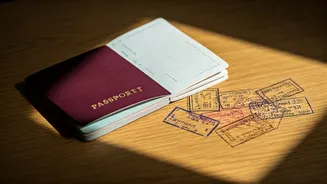









The Reality of Visa Timelines
The standard Schengen visa processing time is officially 15 calendar days, but this is now the best-case scenario, not the norm. During peak seasons, such as the summer months, processing can stretch to 30, 45, or even 60 days in some cases. Appointment
wait times at VFS centres can add several more weeks before your application even reaches the consulate. Travel experts advise applying at least three to four weeks before your trip, with some suggesting applying as early as two or three months in advance for summer travel to be safe. This new reality means the old habit of last-minute planning is no longer viable.
Why Are Delays Happening?
A perfect storm of factors is fuelling the current logjam. Outbound travel from India has surged, with a 15-20% increase in Schengen visa applications this season alone. Consulates are struggling to keep up with this unprecedented demand. Furthermore, new digital systems like the Entry/Exit System (EES) are being implemented, adding another layer of processing. Recent EU inspections of visa application centres in India have also flagged operational issues, including data handling and service practices, which can contribute to a more scrutinised and therefore slower process.
Strategise Your Application
Where you apply matters. The Schengen rule states you must apply to the country where you will spend the most time. If your stay is equal across multiple countries, you apply to your first point of entry. However, processing times vary significantly between nations. Countries like France and Italy are known to be slower during peak times, sometimes taking over six weeks. Conversely, countries like Germany, Switzerland, and Austria have a reputation for more efficient processing and high approval rates for well-documented applications. Researching recent processing trends for different consulates can be a crucial part of your planning.
The Golden Rule: Documents First, Bookings Later
One of the biggest financial risks is booking non-refundable flights and hotels before your visa is approved. A rejection or delay could mean losing thousands of rupees. While you need to show proof of accommodation and a flight itinerary for your application, always opt for fully refundable or flexible booking options. Many airlines and hotel portals allow you to reserve your spot with a free cancellation policy. A detailed cover letter explaining your day-by-day itinerary, proof of sufficient funds (bank statements for the last 3-6 months), and comprehensive travel insurance (minimum €30,000 coverage) are non-negotiable.
Avoid Common Application Pitfalls
A rejected application often comes down to avoidable mistakes. Inconsistent information across your documents is a major red flag for visa officers. Ensure your name, dates, and passport number are identical on all forms, bookings, and letters. Another common error is failing to demonstrate strong ties to India—such as a stable job, property ownership, or family commitments—which convinces the consulate you intend to return. Finally, sudden large deposits into your bank account just before applying can appear suspicious; consistent financial history is far more convincing.