





The Monsoon's Cleansing Effect
The monsoon season, spanning from roughly June to September, acts as a natural atmospheric cleaning service. Strong winds and consistent, heavy rainfall effectively wash pollutants out of the air. This process, known as wet deposition, scrubs particulate
matter (PM2.5 and PM10), sulfur dioxide, and nitrogen dioxide from the lower atmosphere, leading to the 'good' or 'satisfactory' Air Quality Index (AQI) readings that many cities enjoy during this period. A recent analysis by the Centre for Science and Environment (CSE) confirmed that rainfall provides a natural washout, but also highlighted that pollution levels can rebound within 48 hours after the rain stops, indicating that baseline emissions remain high even during cleaner months.
The Calm Before the Storm
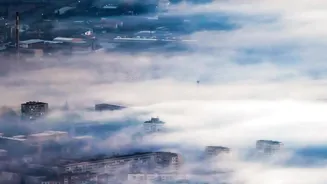
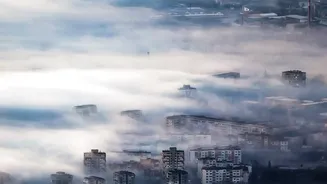
The relief, however, is short-lived. October marks a critical transition period. The withdrawal of the monsoon ushers in a dramatic shift in weather patterns that create a perfect trap for air pollution. Wind speeds drop significantly, and cooler air, being denser, settles closer to the ground. This phenomenon, known as temperature inversion, effectively puts a lid on the atmosphere, preventing pollutants from dispersing. The air becomes stagnant, and every emission from vehicles, industry, and other sources gets trapped, accumulating day by day. Data from early October 2026 already shows a worrying trend, with Delhi recording its most polluted start to the month in six years as the cleansing effects of rain have ceased.
The Return of Stubble Burning
The single most infamous contributor to North India's post-monsoon pollution crisis is agricultural stubble burning. Following the paddy harvest, farmers in Punjab, Haryana, and western Uttar Pradesh are left with a narrow window to clear their fields for the winter wheat crop. Burning the leftover rice stubble is the quickest and cheapest method. This practice unleashes enormous plumes of smoke containing particulate matter and other toxins, which north-westerly winds carry directly across the Indo-Gangetic Plain, engulfing cities like Delhi. During its peak, stubble burning can be responsible for up to 45% of the capital's air pollution. Despite government efforts to provide alternatives and penalties, the practice continues, with satellite data already detecting early farm fires by late September 2026.
A Toxic Mix of Urban Emissions
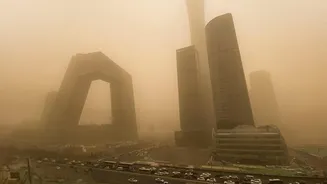
While farm fires are a major seasonal driver, year-round urban pollution forms the toxic base layer that never disappears. Vehicular emissions are a primary culprit, contributing a significant percentage of PM2.5 pollution from the endless traffic in metropolitan areas. Added to this are emissions from industrial clusters, coal-fired power plants, and unregulated construction activities that continuously pump pollutants into the air. The festive season, particularly Diwali, often worsens the situation with the widespread use of firecrackers, despite bans. This combination of agricultural smoke and a high baseline of urban pollution creates the severe smog episodes that have become an annual public health crisis.
The Annual Fight for Breathable Air
Authorities are not idle. Each year sees the implementation of emergency measures under the Graded Response Action Plan (GRAP), which can include halting construction, restricting diesel generator use, and enforcing vehicle restrictions. States like Haryana are deploying special task forces and using drones to monitor and penalize stubble burning. However, these are often reactive measures to a predictable crisis. Experts argue that long-term, year-round action is needed to reduce baseline emissions across the entire region. This includes investing in better public transport, shifting industries to cleaner fuels, providing farmers with viable alternatives to stubble burning, and enforcing stricter pollution norms across the board. Without a fundamental reduction in the sources of pollution, the annual cycle of clean monsoon skies followed by a toxic winter smog is destined to repeat.