





What is Intuitive Eating, Anyway?
Forget the rigid meal plans and forbidden foods. Intuitive eating is an anti-diet philosophy built on a simple, yet revolutionary, premise: trust your body. Developed by dietitians Evelyn Tribole and Elyse Resch, it’s a framework designed to help you reconnect
with your body’s natural hunger, fullness, and satisfaction signals. Instead of external rules telling you what, when, and how much to eat, you turn inward. It involves honouring your hunger, making peace with all foods (yes, even that extra helping of biryani), and finding satisfaction in your meals without guilt. The goal isn't weight loss, but a healthier and more peaceful relationship with food and your body.
Why Summer is the Perfect Time to Start
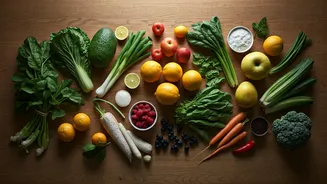
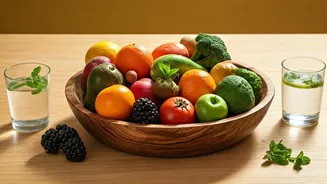
The pressure to achieve a 'summer body' often pushes people toward restrictive diets that are difficult to sustain and can backfire. This is precisely why summer is an ideal season to explore intuition. The days are longer, schedules are often more relaxed, and social gatherings revolve around food. Instead of viewing a barbecue or a family lunch as a minefield of 'bad' choices, intuitive eating reframes it as an opportunity to enjoy flavours and company. Furthermore, summer brings an abundance of fresh, seasonal produce like juicy mangoes, crisp watermelons, and sweet litchis. This natural bounty makes it easier to choose foods that are both delicious and nourishing, aligning perfectly with the intuitive principle of honouring your health and taste buds simultaneously.
Ditching the 'Good Food, Bad Food' Mindset
A core tenet of intuitive eating is to stop moralising food. There are no 'good' foods that make you virtuous or 'bad' foods that make you guilty. When you label a food as 'bad' or 'off-limits,' you often increase its appeal, leading to cravings and eventual overindulgence. This creates a destructive cycle of restriction, craving, bingeing, and guilt. By giving yourself unconditional permission to eat all foods, you take away their power. An ice cream on a hot day is just an ice cream—a source of pleasure and cooling relief—not a moral failing. This summer, try to notice when you label foods. Instead of judging, focus on how different foods make you feel. You might find you naturally gravitate towards choices that give you sustained energy, but you can also enjoy a samosa without an ounce of shame.
Learning to Trust Your Hunger Cues
For many, years of dieting have drowned out the body’s natural hunger signals. Intuitive eating is about relearning that language. The first step is to honour your biological hunger. Don't wait until you're ravenous, as that often leads to frantic, unconscious eating. Instead, learn to recognise the gentle, early signs of hunger—a slight dip in energy, a little grumble in your stomach, or difficulty concentrating. Keep healthy, satisfying snacks on hand for busy summer days. On the flip side, it’s also about recognising fullness. Eat slowly, savour each bite, and pause during your meal to check in with yourself. Are you comfortably full? You don’t have to clean your plate if you’re satisfied. It’s a practice of mindfulness that puts you back in the driver's seat of your own body.
Finding Joy and Satisfaction in Eating
In our quest for health, we often forget that one of the main purposes of food is pleasure. Summer offers countless opportunities for this. Think of the unmatched sweetness of a perfectly ripe Alphonso mango, the refreshing burst of a chilled nimbu pani, or the smoky flavour of corn on the cob roasted over coals. Intuitive eating encourages you to seek out these joyful experiences. When you eat what you truly enjoy in an environment that is pleasant, the satisfaction you feel is greater. This 'satisfaction factor' is key; when you’re content and satisfied, you’re less likely to overeat or search for more food after a meal is over. So, instead of mindlessly snacking while scrolling on your phone, sit down and truly taste your food. This simple shift can transform your entire eating experience.