
1. Striking Geometric Mirrors
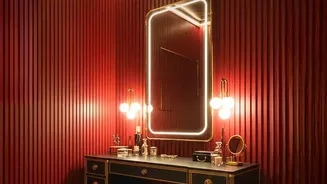
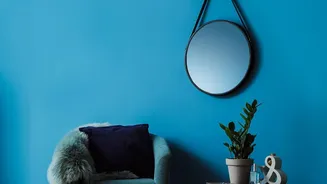
A key element of Art Deco design is its fascination with sharp angles, symmetry, and repeating patterns. Geometric mirrors are the perfect embodiment of this principle, serving as both functional items and pieces of wall art. Look for designs featuring
sunburst motifs, stepped frames, or layered rectangular shapes. These mirrors do more than just show a reflection; they amplify light, create a sense of space, and act as a striking focal point. Finishes in gold, brass, or black metal enhance their architectural quality, pairing beautifully with the other rich materials common to the era. Placing a bold, geometric mirror above a console table or fireplace immediately establishes a confident, glamorous tone.
2. Luxurious Velvet Upholstery
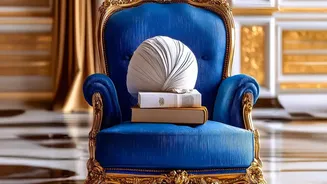
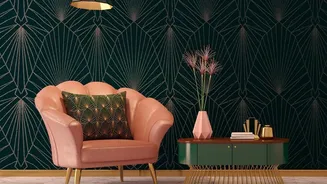
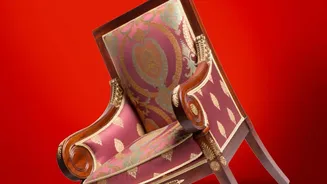
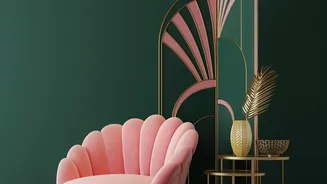
Texture is crucial in creating an authentic Art Deco feel, and few materials evoke opulence like velvet. Its rich texture and the way it absorbs light lend a unique depth and softness to a room. Sofas with curved, streamlined shapes or scalloped-back armchairs upholstered in velvet are hallmarks of the style. These pieces add both comfort and a touch of 1920s glamour. To capture the classic Art Deco palette, opt for deep jewel tones like emerald green, sapphire blue, or rich ruby. These saturated colours provide a stunning contrast against metallic and lacquered surfaces, creating a layered and sophisticated look.
3. Sleek Lacquered Surfaces
Art Deco celebrated the machine age with sleek, polished, and streamlined forms. High-gloss lacquered furniture is central to this aesthetic, offering dazzling, reflective surfaces. Think of sideboards, cabinets, or cocktail tables finished in black, cream, or even a bold colour with a mirror-like sheen. This technique often involved using exotic woods like ebony or rosewood as a base, with the lacquer providing a protective and highly decorative finish. The smooth, uninterrupted surfaces of lacquered pieces create a sense of modernity and sophistication, contrasting beautifully with softer textures like velvet and patterned rugs.
4. Statement Lighting Fixtures
Lighting in an Art Deco interior is never just an afterthought; it is a primary decorative feature. Fixtures from this era are sculptural and bold, often featuring geometric shapes, tiered forms, and metallic finishes like chrome or brass. A large, symmetrical chandelier can transform a dining room, while a pair of stylized wall sconces can frame a mirror or piece of art to create balance. Look for lighting with opalescent or frosted glass, which diffuses light to create a warm and inviting ambiance. These pieces act as the 'jewellery' of a room, drawing the eye upward and reinforcing the style's commitment to glamour.
5. Streamlined and Curved Furniture
While Art Deco is known for its sharp geometry, it also embraces graceful, streamlined curves, particularly in furniture design. This was influenced by the era's fascination with the aerodynamic shapes of cars, trains, and ocean liners. Look for sofas, armchairs, and chaises with rounded silhouettes, curved arms, and a low profile. These forms provide a soft counterpoint to the rigid lines found in patterns and architectural details, creating a space that feels both balanced and dynamic. Often crafted from rich woods and upholstered in luxurious fabrics, this furniture combines comfort with the elegant, forward-looking spirit of the 1920s and '30s.