
The Allure and Risk of Wild Mushrooms
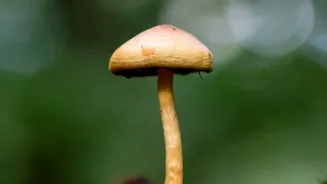
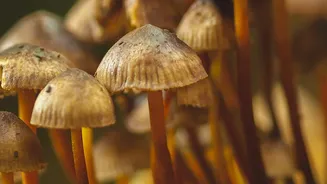
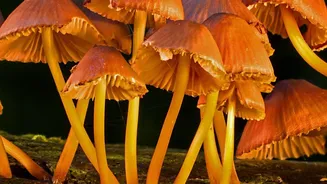
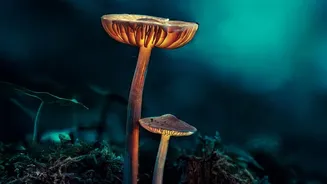
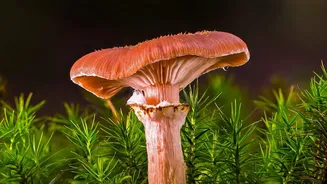
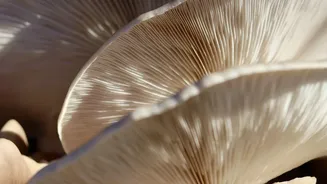
As the rains arrive, wild mushrooms spring up in fields and forests, tempting foragers. However, this is where the greatest danger lies. Many poisonous varieties look strikingly similar to edible ones, and telling them apart requires expert knowledge.
For example, the deadly Amanita phalloides, or Death Cap, is responsible for the vast majority of fatal mushroom poisonings and can be mistaken for other species. Its toxin is not destroyed by cooking. Other poisonous mushrooms common in India include species from the Amanita, Gyromitra, and Xylaria genera. Symptoms from toxic mushrooms can range from severe gastrointestinal distress to liver and kidney failure, which can be fatal. The safest rule for any home cook is simple: do not eat wild mushrooms. Unless you are a certified mycologist, stick to commercially grown mushrooms from trusted sources.
How to Buy Safe Mushrooms from the Market
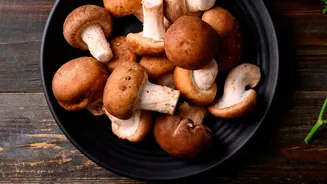
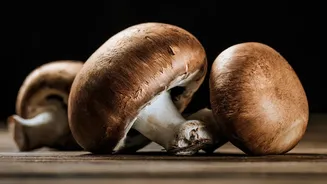
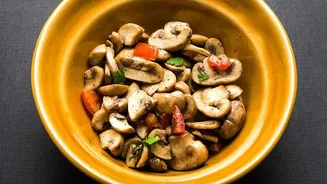
Even when buying from a vendor, caution is key during the monsoon. The high humidity can make mushrooms spoil faster. When you are at the market, choose mushrooms that are firm, fresh, and whole. Avoid any that look bruised, slimy, sticky, or have dark, wet spots. A strong, unpleasant smell is another clear sign of spoilage. If you are buying pre-packaged mushrooms, check that the packaging has holes to allow air circulation, as an airtight container can promote the growth of harmful bacteria. It is best to buy from a clean, reliable store and purchase only the amount you plan to cook within a day or two.
Proper Cleaning and Storage at Home
Once you bring mushrooms home, proper storage is crucial. Store them in the refrigerator immediately. The best way to store loose mushrooms is in a paper bag, which allows them to breathe. Avoid washing mushrooms until just before you are ready to cook them, as the added moisture will speed up spoilage. When it is time to cook, you don't need to soak them. A gentle clean with a damp cloth or a soft brush is often enough. You can also rinse them quickly under cool running water and pat them dry with a paper towel. Always wash your hands, cutting boards, and utensils with soap and warm water before and after handling mushrooms to prevent cross-contamination.
Cooking and Consumption: The Final Safety Step
Thorough cooking is a non-negotiable step for mushroom safety. Cooking helps destroy many harmful microorganisms and makes the mushrooms more digestible. Never consume specialty mushrooms raw. When cooking, ensure they are heated well. If you have leftovers, refrigerate them promptly in a clean, airtight container and consume them within a day or two. Reheat any leftover mushroom dishes until they are steaming hot throughout. During the monsoon, it's wise to be extra cautious with creamy mushroom dishes or those packed for a lunchbox, as they can spoil more quickly in warm, humid conditions.
Recognising the Signs of Poisoning
Despite all precautions, it is vital to know the symptoms of mushroom poisoning. Early signs, which can appear within 30 minutes to a few hours, often include nausea, vomiting, stomach cramps, and diarrhoea. However, some of the most dangerous toxins, like those in the Death Cap mushroom, have delayed symptoms that may not appear for 6 to 24 hours. After the initial gastrointestinal issues, a person might seem to recover before developing far more serious symptoms like liver or kidney failure a few days later. Other symptoms can include confusion, hallucinations, or a rapid heart rate.