

Arashiyama Bamboo Grove, Kyoto
The iconic image is one of serene, almost mystical stillness: a path winding through a towering forest of green bamboo stalks, with ethereal light filtering down. It's listed as one of the '100 Soundscapes of Japan'. The reality for most visitors, however,
is less about soundscape and more about shuffling shoulder-to-shoulder. The famous path is relatively short and becomes incredibly crowded from as early as 9 a.m. Instead of the gentle rustle of bamboo, you're more likely to hear the chatter of hundreds of fellow tourists. The area has also suffered from vandalism, with visitors carving names into the delicate stalks, causing permanent damage. To capture a sliver of the magic, your only real option is to arrive at sunrise, before the tour buses descend. Alternatively, consider visiting less famous bamboo groves, like the one at Adashino Nenbutsu-ji temple, also in Arashiyama, for a more peaceful experience.
Fushimi Inari Shrine, Kyoto
The endless, winding corridors of thousands of vermilion torii gates are one of Japan's most photographed sights. The shrine is dedicated to Inari, the Shinto god of rice and business, and each gate is a donation. The problem is that its fame, combined with being open 24 hours and having free admission, makes it a prime target for overtourism. The lower, most famous sections of the path are often a slow-moving queue, especially between 10 a.m. and 4 p.m. The experience can feel more like navigating a crowded market than a spiritual pilgrimage. The secret to a better visit is two-fold. First, go extremely early—before 7 a.m.—to experience the gates in near-solitude. Second, keep climbing. Most visitors only see the first part of the trail. The full hike to the summit of Mount Inari takes 2-3 hours, and the crowds thin out significantly the higher you go, offering a more authentic and peaceful atmosphere.
Climbing Mount Fuji
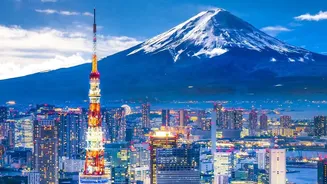
Reaching the summit of Japan's most sacred mountain for sunrise is a rite of passage for many. However, the experience can be less of a majestic natural encounter and more of a grueling, overcrowded ordeal. The climbing season is short (typically July to early September), concentrating all climbers into a brief window. This can lead to literal traffic jams on the narrow trails, especially near the top. Many climbers attempt a 'bullet climb'—hiking through the night without resting in a mountain hut—which can be dangerous and exhausting. The view from the top is also not guaranteed; clouds often obscure the famous sunrise. A new reservation system and a fee have been implemented on the most popular trail to manage hiker numbers. A more rewarding approach might be to appreciate Fuji from a distance. The Fuji Five Lakes region and Hakone offer stunning views of the mountain without the punishing climb and crowds.
Dotonbori, Osaka
Known as the kitchen of Japan, Osaka's Dotonbori district is a feast for the senses, famous for its flashing neon signs, giant mechanical crabs, and the iconic Glico Running Man. It's an electrifying visual spectacle. But many now label it a 'tourist trap'. While it embodies Osaka's loud, fun-loving spirit, the main strip has become overly commercialized, with inflated prices and long queues for mediocre food. Savvy travelers and locals know the rule: see Dotonbori, but eat elsewhere. Treat it like Times Square—a place to photograph and soak in the energy, especially as the lights come on at dusk. Then, for a more authentic and delicious meal, dive into the nearby back alleys. Just a few minutes' walk away are Hozenji Yokocho, a charming lantern-lit stone alley, and the Ura-Namba area, packed with small izakayas (pubs) where the locals actually eat and drink.
Kiyomizu-dera Temple, Kyoto
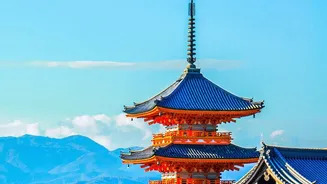
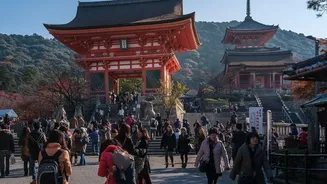
Perched on a hillside with its famous wooden stage offering panoramic views of Kyoto, Kiyomizu-dera is a UNESCO World Heritage site and a masterpiece of Japanese architecture, constructed without a single nail. Unsurprisingly, it is one of Kyoto's most visited sites, attracting around 5 million people annually. This popularity means that during peak hours (roughly 10 a.m. to 3 p.m.), the experience can be overwhelming, with crowds so thick it's hard to move, let alone appreciate the temple's beauty. Reviews are often split between those who call it a highlight and those who found it a 'horrible experience', with the key difference being the time of day they visited. To truly appreciate this landmark, arriving right at the 6 a.m. opening time is essential for a peaceful visit. This allows you to explore the grounds and enjoy the view before the tour groups arrive in force.