







Cleanse Without Stripping
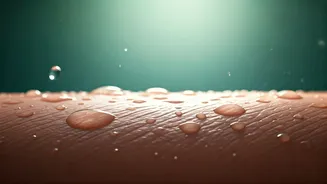
High humidity means your sebaceous glands go into overdrive, leading to excess oil and a greasy feeling. The temptation is to wash your face multiple times a day with a harsh cleanser, but this is counterproductive. Over-washing strips your skin’s natural
moisture barrier, prompting it to produce even more oil to compensate. The solution? A gentle, twice-a-day cleansing routine. Opt for a mild, soap-free cleanser. If you wear makeup or sunscreen, consider double cleansing in the evening. Start with an oil-based cleanser to dissolve impurities and follow up with a water-based gel or foam cleanser to wash everything away. This method ensures your skin is thoroughly clean but not stripped, leaving it balanced and less prone to breakouts.
Exfoliation is Your Best Friend
The combination of humidity, sweat, and increased oil production creates the perfect environment for clogged pores. This is where exfoliation becomes crucial. It helps slough off dead skin cells that can trap oil and bacteria, leading to blackheads and acne. However, aggressive physical scrubs can cause micro-tears and irritation. Instead, embrace chemical exfoliants. Look for products containing Alpha Hydroxy Acids (AHAs) like glycolic or lactic acid, or Beta Hydroxy Acids (BHAs) like salicylic acid. Salicylic acid is particularly effective for monsoon skin as it’s oil-soluble and can penetrate deep into pores to clear them out. Incorporate a gentle chemical exfoliant into your routine 2-3 times a week to maintain clear, smooth skin.
Switch to a Lightweight Moisturiser
It’s a common myth that oily or acne-prone skin doesn't need moisturiser, especially in a humid climate. In reality, all skin types need hydration. The key is using the right kind of product. That thick, creamy moisturiser you loved in the winter will likely feel heavy and clog your pores during the monsoon. It's time to switch to something lighter. Look for non-comedogenic (meaning it won't clog pores) moisturisers with a gel or water-based formula. Ingredients like hyaluronic acid are fantastic as they provide intense hydration without any of the grease. This will keep your skin hydrated and plump, strengthening its barrier function without contributing to oiliness.
Don’t Skip Sunscreen, Even on Cloudy Days
Those dense monsoon clouds might seem like a natural sunblock, but up to 80% of the sun’s harmful UV rays can penetrate them. Sun exposure, even on overcast days, can still lead to tanning, premature ageing, and other forms of sun damage. Furthermore, it can worsen post-acne marks. It’s absolutely essential to wear a broad-spectrum sunscreen with an SPF of at least 30 every single day. For the monsoon season, a gel-based or matte-finish sunscreen is ideal. It will provide the necessary protection without feeling sticky or heavy on your skin. Reapply every two to three hours, especially if you've been sweating.
Incorporate Targeted Treatments
The monsoon is a good time to introduce specific active ingredients to tackle common concerns. A serum with Niacinamide can be a game-changer; it helps regulate oil production, minimises the appearance of pores, and improves the skin barrier. For fighting breakouts, a spot treatment with salicylic acid or benzoyl peroxide can be very effective. To combat the dullness that often accompanies the rainy season, a Vitamin C serum is an excellent choice. It’s a powerful antioxidant that protects against environmental damage, brightens the complexion, and helps fade dark spots. Apply your chosen serum after cleansing and before moisturising.
Keep Fungal Infections at Bay
The damp, humid conditions of the monsoon are ideal for the growth of fungus and bacteria. This can lead to issues like ringworm, athlete's foot, and other skin infections. Prevention is key. Make sure to dry yourself thoroughly after showering, paying special attention to skin folds like underarms, groin, and between the toes. Avoid wearing wet clothes or staying in damp shoes for extended periods. Using an anti-fungal powder in prone areas can help absorb excess moisture and prevent fungal growth. Opt for loose, breathable cotton clothing to allow your skin to breathe.