





The Global Second Screen
The biggest shift in 2026 was how the viewing experience became a two-way conversation. Fans no longer just watched the game; they participated in a real-time global dialogue across platforms like X (formerly Twitter), TikTok, and Instagram. Every goal,
controversial VAR decision, and dramatic moment was met with an explosion of memes, reaction videos, and hot takes. This 'second screen' experience was so central that for many, especially younger Gen Z fans, the social media feed was as important as the live broadcast itself. The conversation became part of the event, turning isolated living rooms into a connected global stadium. Viral moments, like a German fan’s enthusiastic tour of American chain restaurants or Norway supporters turning an escalator into a Viking longship, became defining side stories of the tournament.
Players as Media Hubs
In previous tournaments, access to players was tightly controlled by teams and traditional media. In 2026, athletes became their own media houses. Players bypassed official channels to connect directly with fans, sharing behind-the-scenes content from training camps, personal reflections after a match, and participating in viral TikTok challenges. This unfiltered access humanised superstars, making them more relatable and building powerful personal brands. When Cape Verde's 40-year-old goalkeeper Vozinha had a heroic performance against Spain, fans were urged by online creators to follow him, rocketing his Instagram followers from 50,000 to over 15 million in a week. This direct line between athlete and fan created a deeper, more personal connection that official broadcasts could never replicate.
The Rise of the AI Fan
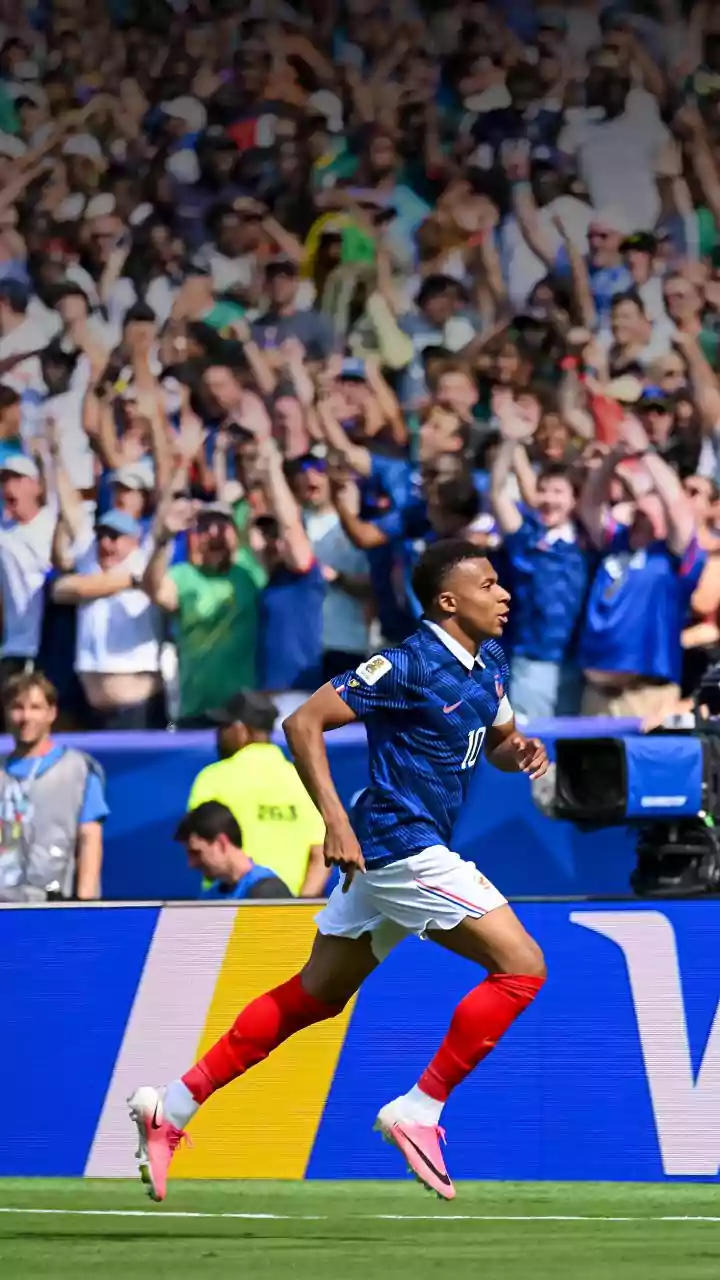
The 2026 World Cup saw the widespread adoption of AI-driven content, changing how fans consumed highlights and analysis. Instead of waiting for post-match summaries, AI tools instantly generated personalized highlight reels, player-specific clips, and even automated narrative summaries of games. This compressed the time between an event happening and it being consumed, catering to a fan culture that demands immediate gratification. Furthermore, AI-generated memes and parodies became a huge part of the online fun, like the trend that saw edits of French star Kylian Mbappé as an all-powerful 'dictator' of football. These tools allowed for a new level of creative and often absurd participation that defined the tournament's humour.
A Stadium for Every Fan
Social media democratized the fan experience, especially for those in nations not competing in the finals, like India. Digital platforms became the de facto community centres for these supporters. Fans organized local watch parties through Facebook Groups, joined global debates on Reddit, and built vibrant communities on Discord servers dedicated to their favourite teams. The shared experience was no longer limited by geography. A stunning goal could be celebrated simultaneously by someone in Mumbai, Manchester, and Mexico City, all connected by a hashtag. This created a more inclusive and global sense of community, proving that you don't need a team in the tournament to feel part of the World Cup passion.
The Dark Side of the Conversation
For all its benefits, the hyper-connected nature of the 2026 World Cup also amplified its negative aspects. The same platforms that fostered community also became conduits for misinformation and vile abuse directed at players who missed a penalty or made a mistake. A viral video of a couple arguing in the stands during a match sparked a massive online debate about privacy and the ethics of filming strangers. Fan frustration also found a powerful outlet, with widespread online criticism of ticket prices creating a negative PR cycle for organizers after images of empty seats went viral. This constant scrutiny and the potential for instant backlash served as a stark reminder of the double-edged sword of real-time global conversation.