






Decoding Zone 2 Cardio
If your fitness life has been dominated by high-intensity interval training (HIIT), the idea of slowing down might seem counterintuitive. Yet, that’s exactly the principle behind Zone 2 training. It refers to exercising at a low-to-moderate intensity,
typically 60-70% of your maximum heart rate. The easiest way to know you’re in the zone is the 'talk test': you should be able to hold a full conversation without gasping for air. This steady, conversational pace is the sweet spot where your body primarily uses fat for fuel. The science behind it focuses on mitochondrial health. Consistent Zone 2 training helps your body build more mitochondria—the powerhouses of your cells—and makes them more efficient at producing energy. This improves your overall aerobic base, making every physical activity, from climbing stairs to intense workouts, feel easier over time.
Why Rowing Is the Perfect Partner
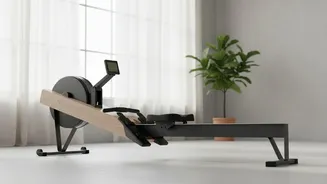
While you can achieve Zone 2 with a brisk walk or a steady cycle, the rowing machine is an exceptionally effective tool for this type of training. Rowing is a full-body workout that engages over 85% of your muscles, including your legs, core, and back, providing a comprehensive conditioning experience. Unlike running, it's low-impact, which means less stress on your joints, reducing the risk of injury and making it a sustainable option for people of all fitness levels. The machine's design is ideal for maintaining the consistent, steady effort required for Zone 2. You can easily monitor your heart rate and maintain a steady stroke rate (around 18-22 strokes per minute is often recommended for Zone 2) for an extended period, ensuring you stay in that optimal aerobic-building, fat-burning state.
The Real Benefit: Beating Burnout
The relentless pursuit of high intensity can often lead to workout fatigue, plateaus, and mental burnout. Your central nervous system gets fried, recovery takes longer, and the gym starts to feel like a chore. Zone 2 training is the antidote. Because it's less demanding on the body, recovery is much faster. You can perform Zone 2 sessions more frequently without risking overtraining. This builds a strong aerobic foundation, which is critical for improving your performance in higher-intensity workouts. When your 'engine' is bigger and more efficient, you recover faster not just after the workout, but between high-effort intervals as well. This means you can push harder when it counts, ultimately leading to better results and a more positive and sustainable relationship with exercise.
How to Get in the Zone
Ready to give it a try? Getting started with Zone 2 rowing is simple. First, estimate your maximum heart rate (a common formula is 220 minus your age) and calculate 60-70% of that number to find your target heart rate range. Many smartwatches and chest straps can track this for you. Alternatively, just use the talk test. Hop on a rowing machine and start rowing at a comfortable pace. You're looking for a rhythm you could hold for 30-45 minutes. A good starting protocol is a 5-minute warm-up, followed by 20-30 minutes of steady rowing within your Zone 2, and finishing with a 5-minute cool-down. The goal isn't to feel exhausted, but comfortably challenged. Focus on consistent form and pace, keeping your breathing steady and conversational. As your fitness improves, you can gradually increase the duration of your sessions.