








The Problem with Paws
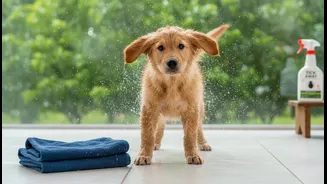
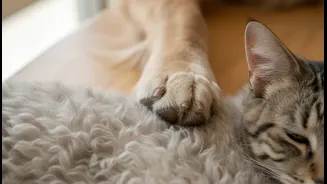
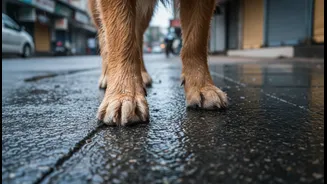
Your dog’s paws are their first point of contact with the world, and during the monsoon, that world is often wet, muddy, and full of bacteria. Constant exposure to dampness can lead to painful skin infections, often called pododermatitis. The spaces between
their toes can trap moisture, creating an ideal breeding ground for fungi and bacteria. This can cause redness, swelling, itching, and a foul odour. You might notice your dog constantly licking or chewing their paws, which is a clear sign of irritation. The key to prevention is a strict post-walk routine. Every time you return from outdoors, wash your pet's paws with lukewarm water and a mild pet-safe cleanser. Afterwards, dry them meticulously with a soft towel, paying special attention to the gaps between their paw pads. For long-haired breeds, trimming the fur between their toes can significantly improve airflow and reduce moisture retention.
Ear Infections on the Rise
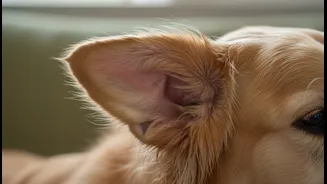
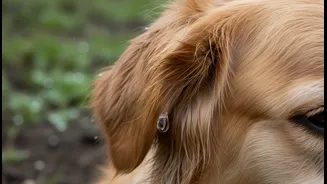
That familiar head shaking or frantic ear scratching after a walk in the rain is more than just a quirky habit; it's often a red flag. The high humidity of the monsoon season means moisture can easily become trapped in your dog's ear canal. This is especially true for breeds with long, floppy ears like Labradors, Cocker Spaniels, and Beagles, as their ear flaps reduce airflow and create a warm, damp environment where yeast and bacteria thrive. An untreated ear infection can cause significant pain and may lead to more serious issues. Be vigilant for symptoms like redness, a bad smell from the ear, discharge, or sensitivity to touch. To prevent this, make weekly ear checks a part of your routine. Gently wipe the outer part of the ear with a clean, damp cloth. After any exposure to rain or after a bath, make sure to dry their ears thoroughly. Never insert anything deep into the ear canal, like a cotton bud, as this can cause damage. If you suspect an infection, consult your veterinarian for a proper diagnosis and treatment.
The Tick and Flea Menace
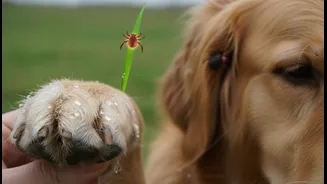
Warm temperatures combined with high humidity make the monsoon the peak breeding season for ticks and fleas. These parasites are not just a nuisance; they are carriers for serious illnesses. Tick fever, for example, can cause high fever, lethargy, and even organ failure in severe cases. Flea bites can lead to intense itching and a skin condition known as Flea Allergy Dermatitis (FAD). Your pet can pick up these parasites from grassy areas, dense vegetation, or even from interacting with other animals. Prevention is far better than cure. It is crucial to continue with your pet’s regular tick and flea prevention program, whether it's a spot-on treatment, a medicated collar, or oral tablets. After every walk, conduct a thorough check of your pet’s coat, paying close attention to common hiding spots like behind the ears, between the toes, under the collar, and near the tail base. Keeping your home clean by regularly washing your pet's bedding and vacuuming carpets also helps reduce the risk of an infestation.
General Monsoon Wellness
Beyond these three key areas, overall hygiene is paramount during the rains. Ensure your pet has a clean, dry place to rest, as damp bedding can also contribute to skin infections. Providing clean, fresh drinking water is also essential, as stagnant puddles outside can contain harmful bacteria and parasites that lead to gastrointestinal issues like vomiting and diarrhoea. In fact, diseases like leptospirosis are spread through contaminated water and pose a serious risk during this season. A balanced diet will help keep your pet’s immune system strong, enabling them to better fight off seasonal illnesses. While walks might be shorter, try to keep your pet active indoors with games to maintain their physical and mental well-being.