




The Magic of the Tandoor
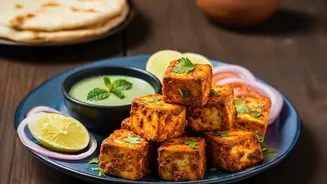
The authentic flavour of street-style paneer tikka comes from the intense, dry heat of a tandoor. This traditional clay oven cooks marinated paneer and vegetables at very high temperatures, creating a beautifully charred exterior while keeping the inside
tender. This process, known as the Maillard reaction, is what gives the tikka its distinctive browned flavour and aroma. The smokiness from the charcoal and the way the marinade caramelises under extreme heat are what we associate with that perfect, restaurant-quality taste. Replicating this at home without a tandoor has always been the biggest challenge.
How the Air Fryer Mimics a Tandoor
An air fryer is essentially a compact convection oven that circulates superheated air at high speeds. This technology creates an environment surprisingly similar to a tandoor. The rapid air circulation mimics the all-around, intense heat, allowing the paneer to cook quickly and develop a crisp, charred crust. By using a very high temperature setting, you can trigger the same Maillard reaction that happens in a tandoor, browning the paneer and caramelising the marinade without submerging it in oil. This method uses up to 80% less fat compared to traditional frying, delivering a similar texture with significantly fewer calories.
The Secret Lies in the Marinade
While the cooking method is crucial, the soul of paneer tikka is its marinade. The flavour doesn't come from the oil but from a well-balanced mix of spices and other key ingredients. A thick, clinging marinade is non-negotiable. This starts with hung curd or Greek yoghurt, which provides a creamy base without being watery. Key flavour agents include ginger-garlic paste, kasuri methi (dried fenugreek leaves), and a blend of spices like coriander, cumin, and garam masala. Many recipes also highlight the importance of mustard oil for its pungent, authentic kick and roasted besan (gram flour) to help the marinade bind to the paneer and create a coating that crisps up beautifully.
Achieving the Perfect Char and Smokiness
Getting those coveted blackened edges is the final step to authenticity. The trick is to cook at a high temperature, around 200°C, and not overcrowd the air fryer basket to ensure even cooking. Flipping the skewers or paneer pieces halfway through is essential for an even char on all sides. Some recipes suggest finishing the cooking process on a 'broil' or 'grill' setting for the last few minutes to intensify the charring. While a light brush or spray of oil helps the browning process, it’s a tiny amount compared to pan-frying. For an added layer of smokiness, a pinch of smoked paprika in the marinade or using the traditional 'dhungar' method (infusing smoke from a hot piece of charcoal) can elevate the dish further.
Common Mistakes to Avoid for Tender Paneer
The biggest risk when cooking paneer with dry heat is that it can become rubbery or dry. To avoid this, start with good quality, full-fat paneer, as it holds up better to heat. Don't overcook it; paneer cooks very quickly, often in about 8-12 minutes in a hot air fryer. Some cooks swear by soaking the paneer in hot water for 15-20 minutes before marinating to ensure it stays soft. The marinade itself also acts as a protective layer, keeping the paneer moist. Make sure the marinade is thick enough to coat the paneer properly; a thin, watery marinade will slide off and won't protect the cheese from the intense heat.