





The Polished Narrative of Global Luxury
Luxury brands are master storytellers. They don’t just sell a handbag, a watch, or a perfume; they sell a legacy, an aspiration, a carefully constructed dream. Their narratives speak of generations of European craftsmanship, of equestrian heritage, or of being
the exclusive jeweller to kings. Through glossy campaigns and immersive digital experiences, they invite us into a world of elegance and tradition. This story is powerful. It creates desire and justifies a premium price, transforming a product into a status symbol. For decades, this has been the undisputed model of aspiration, offering a ticket to a world that feels elevated, exclusive, and steeped in a history that feels grander than our own.
Why a Distant Story Can Feel Hollow
For all their polish, these narratives are often broadcast from a distant corporate headquarters. The story, while beautiful, is not ours. In India, there's a growing shift among consumers, especially younger generations, towards brands that reflect their personal values and local identity. A recent Mintel report noted a clear preference for Indian brands over imported ones across categories like food, personal care, and clothing. The reasons are complex, ranging from a desire for value to a rising sense of cultural confidence. A European legacy, however rich, can feel disconnected from the context of life in Mumbai, Bengaluru, or Delhi. Indian consumers are becoming more discerning, looking for more than a logo; they want authenticity and a story that resonates with their world.
The Living Story of the Land
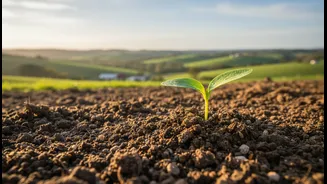
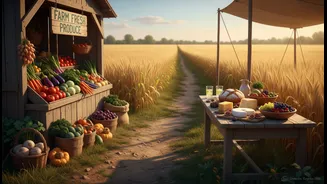
Now, consider a nearby farm. Its story isn't crafted in a boardroom; it's written in the soil. It’s a narrative of seasons, of struggle and success, of a family’s connection to their land. Think of the farm-to-table movement gaining momentum across India. In Bengaluru, places like Farmlore offer an experience where chefs build a menu around what is grown on the 37-acre organic farm they are located on. In Alibaug, The Table Farm invites visitors to harvest their own produce before it is cooked for their lunch, creating a profound connection to the food on their plate. These are not just businesses; they are living ecosystems. The story is in the farmer's knowledge of the soil, the taste of a vegetable plucked fresh from the vine, and the wisdom of chemical-free cultivation that has been part of Indian agriculture for centuries before the industrial Green Revolution.
A Purchase That Becomes a Partnership
When you buy from a local farm, you are doing more than acquiring a product; you are becoming part of its story. You are supporting a local economy, promoting biodiversity, and often, making a more sustainable choice. This trend is driven by a rising consumer consciousness, where people actively choose to eat locally produced food and support ethical businesses. Initiatives like Spudnik Farms in Bengaluru connect urban consumers directly with organically grown produce, even bringing tribal farmers into the network to create a wider customer base for their traditional methods. This direct link fosters trust and transparency. Knowing the person who grew your food carries a different kind of value—a richness that a global supply chain, no matter how prestigious, can never replicate.
Redefining What 'Luxury' Really Means
Perhaps true luxury isn't about exclusivity and price, but about connection and knowledge. It's the luxury of knowing where your food comes from. It's the richness of an experience that is authentic and rooted in your own community. The Indian consumer is increasingly looking for personal meaning over loud displays of status. The shift is from passive consumption to active participation. The story of a heritage luxury brand is something you buy into. The story of a local farm is something you help continue. One is a monologue delivered from afar; the other is a dialogue happening right in your community. One adorns your life, while the other nourishes it from the ground up.