

An Ancient Practice for Modern Guts
Fermentation is one of the oldest food processing techniques known to humanity, with evidence dating back thousands of years. From Korean kimchi to German sauerkraut, cultures across the globe developed methods to preserve vegetables long after the harvest.
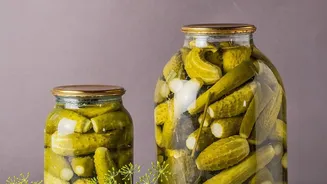
The fundamental process, known as lacto-fermentation, relies on naturally occurring bacteria to transform sugars in vegetables into lactic acid. This acid acts as a natural preservative, inhibiting the growth of harmful microbes while creating the distinct tangy flavour we associate with pickles and other fermented delights. This simple, oil-free method not only keeps food from spoiling but also enhances its nutritional value, creating what many now call a 'superfood'.
The Science in the Jar
The magic of oil-free fermentation happens in an oxygen-free environment. All you need are vegetables, salt, and water. The salt plays a crucial role; it pulls water out of the vegetables to create a brine and, more importantly, it creates an environment where only beneficial bacteria, primarily from the Lactobacillus family, can thrive. These good bacteria get to work, consuming the natural sugars in the vegetables and producing lactic acid. This process lowers the pH of the mixture to a point where spoilage bacteria cannot survive. It’s a beautifully simple, self-regulating system. No oil is needed because the preservation comes from the acidic brine, not from being submerged in fat.
A Probiotic Powerhouse
The primary reason for the surging popularity of fermented foods is their probiotic content. The same live, beneficial bacteria that create the ferment are incredibly good for your digestive system. A healthy gut microbiome is linked to numerous aspects of overall wellness, from improved digestion and nutrient absorption to a stronger immune system. While you can buy expensive probiotic supplements, fermenting vegetables at home is a cost-effective and natural way to introduce these beneficial microbes into your diet. Each bite of your homemade fermented carrots or beans is packed with a diverse range of live cultures, far more varied than what's often found in a pill.
Getting Started: Your First Ferment
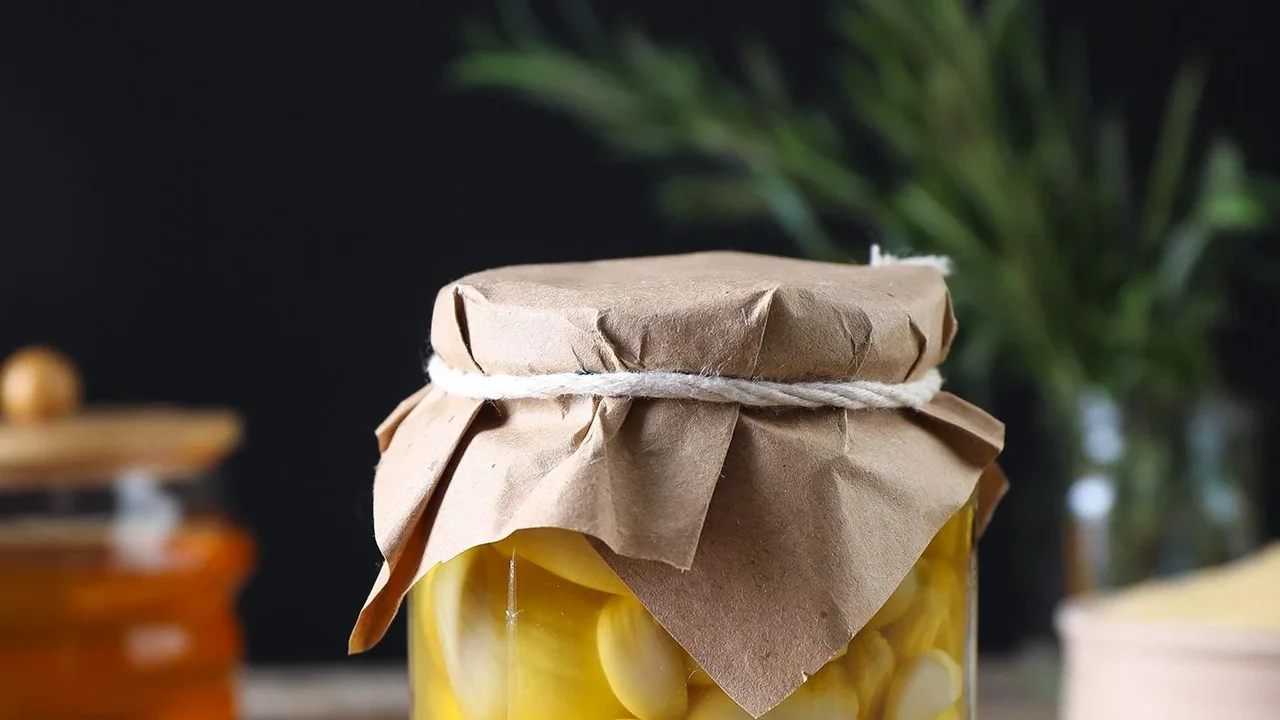
Starting your fermentation journey is surprisingly easy. Hardy vegetables are the most forgiving for beginners. Think carrots, green beans, cabbage, cauliflower, and peppers. The basic process involves chopping your chosen vegetables, placing them in a clean glass jar, and covering them with a salt-water brine. A general rule of thumb is about 2 tablespoons of non-iodized sea salt per quart of water. It is important to keep the vegetables submerged under the brine, which can be done with a fermentation weight or a small plate. Cover the jar with a lid that allows gas to escape and leave it at room temperature for a few days to two weeks, tasting it periodically. When it reaches a flavour you enjoy, transfer it to the refrigerator to slow down the fermentation process.
A Note on Safety and Success
While home fermentation is a safe practice that has been done for millennia, it's important to follow basic food safety guidelines. Always start with clean jars, utensils, and fresh, good-quality vegetables. The correct salt ratio is key to preventing the growth of unwanted microbes, so following a tested recipe is a good idea for your first few batches. During fermentation, you might see some bubbling, which is a good sign that the process is working. A white film of yeast can sometimes form on the surface, which is generally harmless and can be skimmed off. However, if you see any colourful, fuzzy mould or smell anything truly unpleasant or 'off,' it's best to discard the batch and start over. Trust your senses—a successful ferment will smell pleasantly sour.