


The Grain That Time Forgot
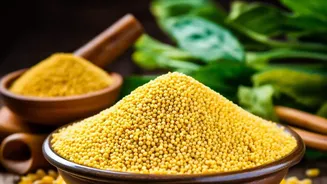
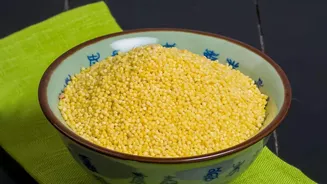
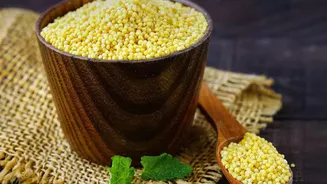
For thousands of years, millets were the cornerstone of the Indian diet. Archaeological evidence shows grains like foxtail and barnyard millet were staple crops during the Harappan civilisation. Across the subcontinent, from ragi mudde in Karnataka to bajra
rotis in Rajasthan, these hardy cereals were the primary source of nutrition. However, the Green Revolution in the 1960s and 70s, while crucial for ensuring food security, shifted the focus almost exclusively to high-yield varieties of wheat and rice. Government policies, including subsidies and the public distribution system (PDS), favoured these two grains, making them cheap and abundant. Over time, millets were labelled 'coarse grains' or 'poor man's food', and their consumption plummeted. Per capita millet consumption in India fell from 33kg per year in 1960 to just 4kg by 2020.
A Nutritional Powerhouse Rediscovered
The modern resurgence of millets is driven by a growing awareness of their exceptional nutritional profile, which stands in stark contrast to refined white flour (maida). Unlike refined flour, which is stripped of its bran and germ, millets are whole grains packed with nutrients. They are significantly higher in dietary fibre, which aids digestion, promotes fullness, and helps maintain stable energy levels. Millets are also gluten-free, making them an excellent choice for those with gluten sensitivity. They boast a lower glycaemic index compared to refined grains, which means they release sugar into the bloodstream more slowly, a crucial benefit for managing blood sugar levels and reducing the risk of type 2 diabetes.
More Than Just Carbs
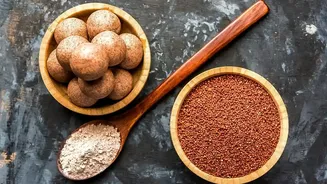
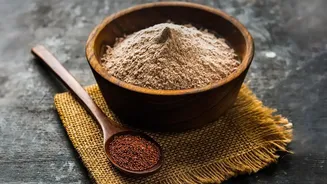
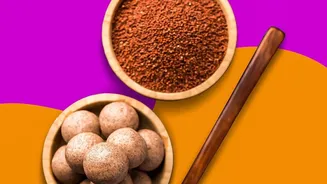
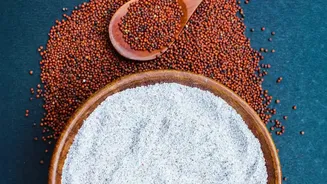
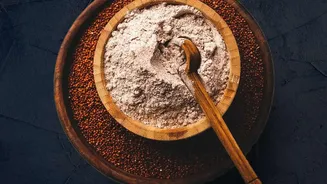
The benefits of millets extend deep into their micronutrient content. Different millets offer unique advantages: ragi (finger millet) is a calcium champion, containing significantly more calcium than even milk by weight, making it vital for bone health. Bajra (pearl millet) is a rich source of iron, which is essential for combating anaemia and boosting energy. Jowar (sorghum) and other varieties are loaded with magnesium, phosphorus, and antioxidants that support everything from muscle function to reducing inflammation. This nutrient density is a key reason why health-conscious consumers and nutritionists are advocating for their return to the daily diet, moving away from the nutrient-poor, starch-heavy profile of refined white flour.
The Modern Millet Makeover
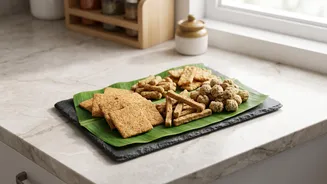
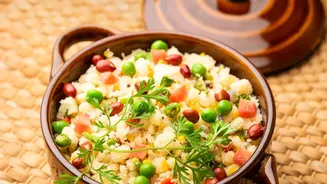
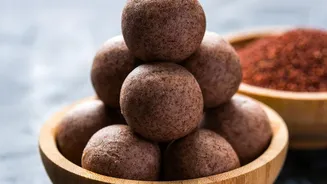
This comeback isn't just about health; it's also about culinary innovation. Once confined to traditional porridges and flatbreads, millets are now being used in creative and contemporary ways. Chefs and home cooks are turning jowar flour into gluten-free pizza bases, using foxtail millet as a base for vibrant salads, and making fluffy idlis and dosas with ragi. You can now find everything from millet-based pasta and cookies to breakfast cereals and biryanis. This versatility has been crucial in shedding their old-fashioned image. Initiatives like the UN's declaration of 2023 as the 'International Year of Millets', heavily promoted by India, have also played a massive role in boosting awareness and making these grains aspirational again.