





The Unchanging Soul of Kaapi
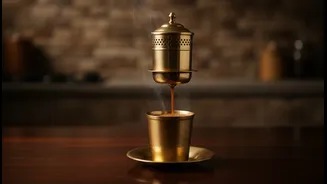
Before its modern reinvention, filter kaapi was, and still is, a cultural cornerstone in South India. The ritual is familiar to millions: finely ground coffee, often blended with chicory, is packed into a traditional metal filter. Hot water is poured
over, and a dark, potent decoction slowly drips into the chamber below. This extract is then mixed with hot, frothed milk and sugar, traditionally served in a steel tumbler and dabarah. It was less a trendy beverage and more a part of daily life, a predictable and comforting habit woven into the fabric of home and community. The unique flavour, a blend of nuttiness and a pleasant bitterness from the chicory-coffee mix, was a taste of home.
The Summer Reinvention
As temperatures rise, the thought of a steaming cup of kaapi can be less appealing. But instead of abandoning coffee until cooler months, a new wave of Indian cafes and artisanal brands is giving filter coffee a refreshing new identity. The simple, hot beverage is being creatively deconstructed and reimagined as a desirable, high-end summer drink. This shift started gaining momentum as third-wave coffee culture, with its focus on origin, roast profiles, and brewing methods, gave Indian consumers a new vocabulary to appreciate their own native coffee traditions. Bengaluru, a hub for this movement, saw cafes begin to experiment, paving the way for a nationwide trend.
From Decoction to Creative Concoction
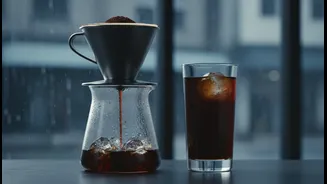
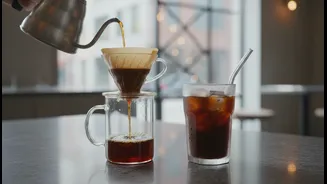
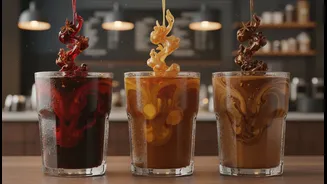
So, what do these new-age kaapi drinks look like? The simplest and most direct evolution is the Iced Filter Coffee. This involves chilling the strong decoction, mixing it with cold milk and a sweetener, and serving it over ice for a straightforward, refreshing kick. But the creativity doesn't stop there. Cafes are crafting Vietnamese-style iced coffees using filter coffee decoction poured over condensed milk. Some are infusing the cold brew with traditional Indian flavours like jaggery and cardamom, creating a drink that is both novel and nostalgically familiar. More adventurous options include tender coconut water cold brew, where coconut water replaces milk for a lighter, hydrating drink, and even filter coffee soft serves and affogatos, blurring the line between beverage and dessert.
Crafting a High-End Experience
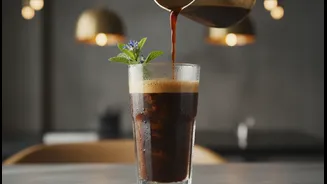
The 'high-end' aspect of this rebranding isn't just about a higher price tag; it's about a complete elevation of the experience. The language has shifted from a simple 'strong coffee' to conversations about single-origin beans, terroir, and specific roast levels, borrowing from the global specialty coffee lexicon. Brands are now offering pure arabica blends alongside the traditional chicory mixes, catering to a wider range of palates. The presentation is also key. These drinks are served in stylish glassware, beautifully garnished, and marketed as premium, Instagram-worthy products. Cafes like Kahale in Bengaluru have built their entire menu around both traditional and modern versions of filter coffee, creating a space where heritage meets contemporary cool.
Why Now? The Drivers of Change
This transformation is driven by several converging factors. A new generation of Indian consumers is more experimental, willing to pay for premium experiences, and actively seeking products that feel both modern and authentically Indian. The rise of artisanal coffee roasters and brands like Blue Tokai, Third Wave Coffee Roasters, and numerous smaller players has created a robust ecosystem for innovation. These brands are not just selling coffee; they are selling a story about craftsmanship, origin, and quality. This renewed focus on kaapi isn't an attempt to erase tradition, but rather to expand its definition and ensure its relevance for a new generation. It's a celebration of a beloved cultural icon, proving that it can evolve without losing its soul.