


The Science of Shrinking Your Wardrobe
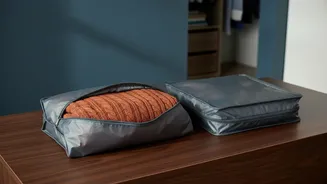
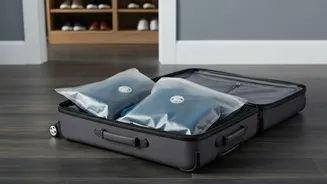
At its core, a compression bag is a simple but effective tool designed to remove excess air from soft, bulky items like clothing and towels. The process relies on creating an airtight seal. You place your folded garments inside the bag, seal the top,
and then force the air out. The magic is in the one-way valve system that allows air to be pushed out but prevents it from getting back in. This simple mechanism dramatically reduces the volume of your clothes, particularly puffy items like jackets and sweaters, which contain a surprising amount of trapped air. By eliminating this air, the bags flatten the contents into a dense, compact package that takes up significantly less room in your luggage.
Two Main Types: Roll-Up vs. Vacuum
Luggage compression bags generally come in two main varieties: manual roll-up bags and vacuum-sealed bags. Manual roll-up bags are the simplest to use and ideal for travel because they require no extra tools. After sealing the bag, you manually roll it from the sealed end towards the bottom, where one-way valves are located. Your body pressure forces the air out as you roll. This method is convenient and can be done anywhere, from a hotel room to a campsite. Vacuum bags require either a household vacuum cleaner or a small, often portable, pump to suck the air out through a dedicated valve. This method achieves a much higher level of compression, creating a significantly tighter and flatter package. It's particularly effective for very bulky items and can reduce volume by up to 60-75%. While incredibly efficient, it means you must have the pump with you to repack for your return journey.
A Barrier Against Moisture and Odours
Beyond just saving space, one of the key benefits of compression bags is their ability to protect your clothes. The airtight seal created during compression is also a watertight one. This makes them an excellent shield against accidental spills inside your luggage, unexpected rain, or simply humid environments. The bags are typically made from durable, moisture-resistant materials like nylon or multi-layer plastics, which prevent water, dust, and odours from seeping in. This protective quality also makes them useful for separating dirty or damp laundry from your clean clothes on the trip home, keeping your entire suitcase fresh.
Best Practices for Wrinkle-Free Packing
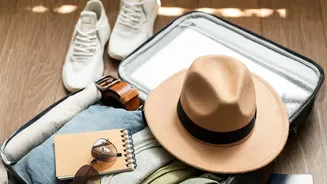
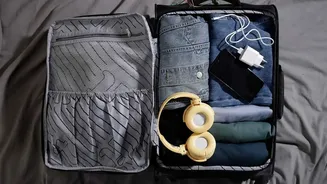
A common concern with compression bags is that they can cause wrinkles. While the tight compression can lead to creases, especially with delicate fabrics, proper technique can minimize this. The best approach is to neatly fold or roll your clothes before placing them in the bag. Rolling tends to work well for many fabrics and can help reduce sharp creases. Organizing items by type—shirts with shirts, for example—not only keeps you organized but also helps items compress more evenly. Be careful not to overstuff the bag past its designated fill line, as this can compromise the seal and lead to uneven compression. For business attire or easily wrinkled materials like silk, you may want to pack them separately or use a garment folder.
The Weight and Wrinkle Trade-Off
While compression bags are a packing game-changer, it’s important to remember what they don't do: reduce weight. By allowing you to pack more items into your suitcase, you can easily exceed airline weight limits if you're not careful. It's always a good idea to weigh your bag after packing. Furthermore, the intense compression will almost certainly wrinkle clothes more than other packing methods, so they are best used for items like sweaters, jackets, underwear, and casual wear that are either wrinkle-resistant or can be easily steamed or ironed upon arrival. For many travellers, the incredible space savings and protection from moisture are well worth the minor inconvenience of a few extra wrinkles.