

The Invisible Danger in Puddles
That innocent-looking puddle your dog loves to splash through can be a serious health threat. During the Indian monsoon, waterlogged streets and stagnant pools become breeding grounds for dangerous bacteria. One of the most significant risks is Leptospirosis,
a severe bacterial infection spread through the urine of infected animals, particularly rodents, which contaminates soil and water. The bacteria can enter a dog’s body through contact with the mouth, nose, or even a small cut on the skin. Symptoms can range from fever and vomiting to severe kidney and liver damage, and it can even be transmitted to humans. Vets across India see a sharp rise in cases during the monsoon, making it crucial to prevent your dog from drinking from or wading through any stagnant water.
Skin and Paw Problems Proliferate
The constant dampness and high humidity of the monsoon create a perfect storm for skin issues. Fur that remains damp for extended periods after a wet walk creates a warm, moist environment where bacteria and fungi thrive. This can lead to painful skin infections like pyoderma (pus in the skin) and fungal outbreaks like yeast infections and ringworm, especially in skin folds and between paw pads. These conditions often cause intense itching, redness, hair loss, and a foul odour. Paws are particularly vulnerable, as they come in direct contact with muddy, contaminated surfaces that can hide sharp debris. The constant moisture can soften paw pads, making them more susceptible to cuts and infections.
A Surge in Parasites
Monsoon is the peak breeding season for ticks and fleas. The humid, damp conditions are ideal for these parasites to multiply, meaning your dog is at a much higher risk of infestation even on short walks. Ticks are particularly dangerous as they can transmit tick fever, a potentially fatal disease for dogs in India. Mosquito populations also explode during this time, and a single bite can transmit heartworm disease. It's essential to be extra vigilant with your pet's tick and flea prevention program and consult your vet to ensure it's robust enough for the high-risk monsoon season.
Your New Monsoon Walk Toolkit
Refreshing your routine means upgrading your gear. A well-fitting, waterproof raincoat is your first line of defence, keeping your dog's core dry and reducing the chance of skin infections. For low-light monsoon mornings and evenings, a reflective collar or leash is a must-have for visibility. To protect vulnerable paws, consider dog booties, especially if you walk in areas with poor drainage. If your dog won't tolerate boots, a paw balm can create a protective barrier. Finally, always carry a small, absorbent microfibre towel for a quick wipe-down before you even get home.
The Essential Post-Walk Ritual
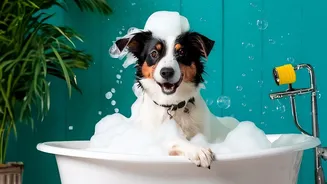
What you do after the walk is just as important as the walk itself. This non-negotiable routine is your best defence against monsoon-related illnesses. The moment you get indoors, thoroughly clean and dry your pet. Pay special attention to their paws, washing them with lukewarm water or using pet-safe wipes to remove mud and potential contaminants. Carefully dry between the toes and paw pads, as this is where moisture lingers. Towel-dry their entire body, and for dogs with thick coats, consider using a hairdryer on a low, cool setting. A daily check for ticks, especially around the ears, neck, and paws, is also crucial.
Shorter, Smarter Excursions
During the monsoon, long, leisurely walks may need to be replaced with shorter, more strategic outings. Try to walk during breaks in the rain. Avoid heavily waterlogged areas and stick to familiar paths where you know the terrain. Since outdoor time will be reduced, it's important to compensate with indoor stimulation. Engage your pet with puzzle toys, training sessions, or indoor games like hide-and-seek to burn off energy and prevent boredom. For many dogs, anxiety from thunderstorms is also a major issue, so creating a safe, comfortable space indoors during storms is part of a holistic monsoon care plan.