



A 'Work Smart, Not Hard' Garden
For years, the ambition for many urban gardeners was to grow impressive, often exotic, plants seen in magazines. The reality, however, was a constant battle against the Indian climate. A plant that thrives in a European spring may struggle through a scorching
Delhi summer or a humid Mumbai monsoon. This new approach to balcony gardening flips the script. Instead of forcing a plant to survive where it doesn’t belong, the trend is about choosing plants that are already adapted to your local environment. It’s a philosophy of working with nature, not against it. This means less time worrying about precise watering schedules, complex fertilisers, and pest control, and more time simply enjoying your green space. It’s about creating a garden that fits your lifestyle, rather than one that demands constant attention.
Why Go Local? More Green, Less Grunt
Choosing indigenous or locally adapted plants comes with a host of benefits that go far beyond aesthetics. Because these plants have evolved to thrive in your region’s specific climate and soil, they are naturally resilient. They require significantly less water, a huge advantage in a country where water conservation is crucial. They are also better equipped to resist local pests and diseases, which dramatically reduces the need for chemical pesticides. This creates a healthier environment for you and your family. Furthermore, planting native species helps support local ecosystems. These plants provide food and habitat for native birds, bees, and butterflies, turning your small balcony into a valuable mini-sanctuary for local biodiversity. In essence, you get a garden that is not only low-maintenance but also sustainable and ecologically responsible.
Sun-Kissed Balcony? Try These Hardy Plants
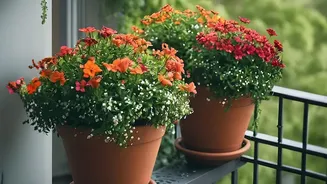
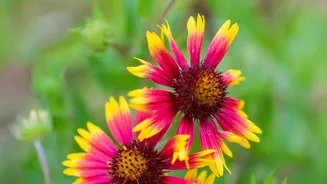
If your balcony gets four to six hours or more of direct sunlight, you have a wealth of vibrant, low-fuss options. Bougainvillea is a classic choice, known for its stunning, colourful bracts and its ability to withstand heat with minimal care. Hibiscus is another excellent pick, offering large, beautiful flowers that bring a tropical feel to any space. For something both beautiful and useful, consider Marigold (Genda), which is easy to grow and can help deter pests. No Indian balcony is complete without Tulsi (Holy Basil), which thrives in sunlight and is perfect for container gardening. Hardy succulents like Aloe Vera are also fantastic choices for sunny spots, as they require very little water and are incredibly tough. These plants are proven performers in sunny Indian conditions, ensuring you get maximum colour with minimum effort.
For The Shadier Spots And Indoors
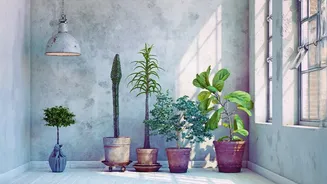
A shady balcony doesn’t mean you have to give up on greenery. Many plants thrive in indirect light. The Snake Plant is perhaps the most forgiving of all houseplants, tolerating low light and infrequent watering while also purifying the air. Similarly, the Spider Plant is a great choice for hanging baskets in shaded areas, producing attractive arching leaves and tiny new plantlets. The Money Plant (Pothos) is another versatile option that can be grown in pots or as a climber, adding lush, trailing foliage to walls and railings even in lower light conditions. These plants are ideal for north-facing balconies or spots that are shielded from the harsh afternoon sun. They bring life and texture to corners where sun-loving bloomers would fail, proving that every space has gardening potential.
Smart Setups For Small Spaces
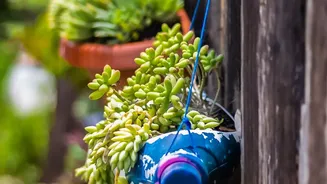
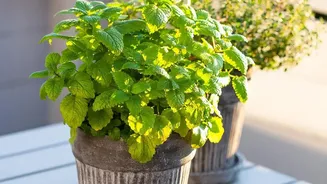
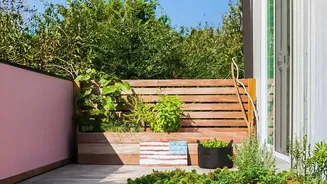
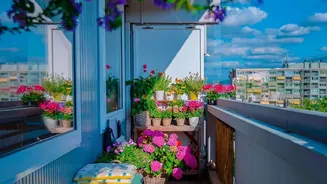
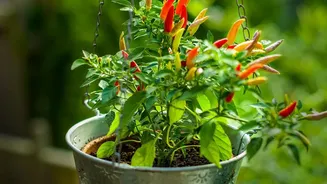
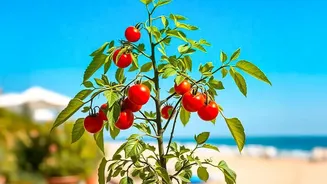
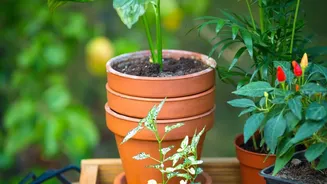
This trend isn't just about what you grow, but how you grow it. To make the most of a compact balcony, think vertically. Wall-mounted shelves, tiered plant stands, and railing planters allow you to add more plants without cluttering the floor. Hanging baskets are perfect for trailing plants like Money Plant or Petunias, drawing the eye upward and creating a sense of lushness. You can also install a simple trellis against a wall for climbers like Jasmine or certain varieties of beans. For those interested in growing their own food, this approach extends to edible plants too. Many herbs like mint, coriander, and curry leaf grow happily in small pots. Compact or dwarf varieties of tomato and chilli are also well-suited to container life, allowing you to enjoy fresh produce straight from your own 'micro-garden'.