





The Problem with Sugary Syrups
For years, the convenience of ready-to-drink iced teas has come at a cost. Many commercially produced beverages rely on artificial syrups and flavours to achieve their taste. These lab-created additives are designed to deliver a consistent, predictable
flavour, but they often lack the depth and nuance of real ingredients. The result is a drink that can be overwhelmingly sweet, masking the actual taste of the tea itself. Consumers are increasingly turning away from these one-dimensional flavours, seeking beverages that offer a more authentic and less processed experience. The conversation is shifting from mere convenience to mindful consumption, questioning what goes into our drinks and why.
The Gentle Art of the Slow Steep
Enter the world of cold brewing, or slow steeping. Unlike traditional methods that use hot water to rapidly extract flavour, cold brewing involves steeping tea leaves in cold or room-temperature water for several hours. This gentle, patient process has a significant impact on the final taste. Hot water tends to release tannins more quickly, which can lead to bitterness and astringency. Cold steeping, by contrast, coaxes out the smoother, sweeter, and more delicate notes of the tea leaves. The result is a remarkably clean and crisp beverage that is naturally less bitter, reducing the need for added sugars or sweeteners to make it palatable. It’s a simple technique that honours the ingredient, allowing its true character to shine.
Vetiver: The Cooling Scent of the Earth
At the heart of this new wave of cold teas are distinctly Indian botanicals, starting with vetiver, known locally as khus. This perennial grass, native to India, is cherished for its complex, earthy, and woody aroma, often described as the scent of the first rain on dry soil. For generations, its roots have been used to make cooling 'sharbat' and to infuse water, a traditional practice to combat the summer heat. Ayurveda values vetiver for its cooling properties, believing it helps balance body heat and soothe the system. When infused in a cold tea, vetiver imparts not just a sophisticated aroma but also its celebrated calming and relaxing qualities, turning a simple drink into a restorative experience.
Lemongrass: A Zing of Citrusy Freshness
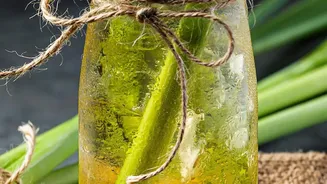
Paired with the earthy depth of vetiver is the bright, zesty character of lemongrass. A staple in Southeast Asian cuisine and traditional medicine, lemongrass offers a refreshing citrus flavour without the acidity of a lemon. It is widely known for its digestive benefits, often used to soothe the stomach, reduce bloating, and aid overall gut health. Its anti-inflammatory and antioxidant properties further enhance its wellness credentials. In a beverage, lemongrass provides a vibrant, clean top note that cuts through the richness of the tea and complements the grounding aroma of vetiver. This combination creates a dynamic and beautifully balanced flavour profile that is both invigorating and soothing.
A Symphony of Natural Flavour
Together, slow steeping, vetiver, and lemongrass create a beverage that is more than the sum of its parts. The cold brew method provides a smooth, clean canvas. Upon this, the earthy, almost smoky notes of vetiver provide a grounding base, evoking a sense of calm. The lemongrass then layers on a bright, aromatic zest, lifting the flavour and adding a crisp finish. This is a far cry from the monolithic sweetness of artificial syrups. The taste is complex, evolving with each sip. It’s a sensory experience that engages the palate and offers a genuine taste of nature, showcasing how thoughtfully combined botanicals can create a deeply satisfying and sophisticated drink without any synthetic help.
More Than a Drink, It's a Mindful Choice
Choosing a slow-steeped tea flavoured with vetiver and lemongrass is about more than just quenching thirst. It represents a conscious shift towards natural, minimally processed products and an appreciation for ingredients with a rich cultural history. This trend is part of a larger movement towards wellness and mindful living, where consumers are increasingly interested in the story behind their food and drink. It’s about embracing a slower, more deliberate approach—from the patient brewing process to the act of savouring a drink made with real, beneficial herbs. It transforms a daily refreshment into a small ritual of self-care, a moment to reconnect with nature and enjoy its authentic flavours.