









The Search for a Post-Lithium World
For decades, lithium-ion batteries have been the undisputed champion of portable power, fueling everything from smartphones to electric vehicles. But this dominance comes at a price. Lithium and cobalt, key ingredients, are geographically concentrated,
expensive, and face supply chain vulnerabilities. This has created a bottleneck, pushing researchers to find a more sustainable and abundant alternative to power the next generation of technology. The goal is to find a battery that is not only cheaper and more accessible but also safer and faster to charge, addressing some of the key pain points for consumers and industries alike.
Sodium: An Abundant and Inexpensive Alternative
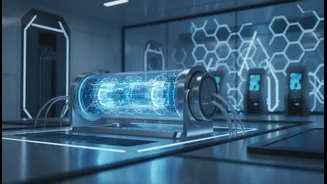
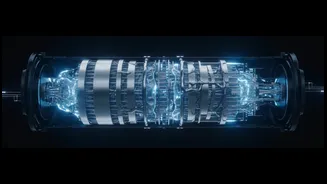
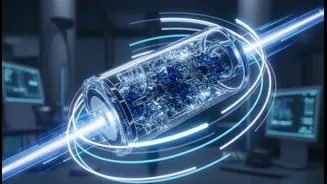
The leading challenger is sodium. As the sixth most common element on Earth, it can be sourced from salt mines or even seawater, making it significantly cheaper and more widely available than lithium. Sodium-ion batteries work on a similar principle to their lithium counterparts, but recent breakthroughs in sodium-metal battery (SMB) design have generated significant excitement. Unlike standard sodium-ion batteries that use carbon anodes, SMBs use a pure sodium metal anode, which has the potential for higher energy density. This shift could lead to batteries that are not only less expensive to produce but also lighter and more comparable in size to current lithium-ion models.
The Promise of a Ten-Minute Charge
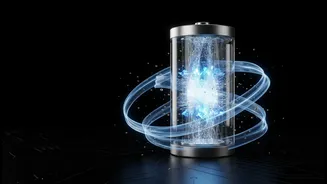
One of the most compelling claims for sodium-metal batteries is their potential for rapid charging. Recent research from China has demonstrated a design that can allegedly charge in as little as four minutes. This is a significant leap forward, as charging speed remains a major hurdle for EV adoption. Sodium-ion batteries are theoretically better suited for fast charging because they can generate less heat than lithium-ion cells, which can overheat and degrade when charged too quickly. While some of the fastest-charging EVs today require specialized, high-power chargers, the prospect of a battery that can rapidly recharge using more conventional infrastructure is a game-changer for both vehicles and grid-scale energy storage.
Where the Evidence Still Matters
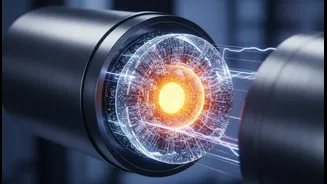
Despite the excitement, significant hurdles remain before sodium-metal batteries can challenge lithium-ion's reign. The primary technical barrier is the highly reactive nature of sodium metal. This reactivity can lead to the formation of dendrites—tiny, branch-like structures that can grow inside the battery, causing short circuits and reducing its lifespan and safety. Furthermore, while promising in the lab, current sodium-ion technologies still generally offer lower energy density than their lithium-ion counterparts, meaning a shorter range for EVs. The technology is also less mature, and the manufacturing processes and supply chains are not yet established on a commercial scale, which can offset some of the raw material cost advantages.
From the Lab to the Highway
The path from a laboratory breakthrough to mass production is long and complex. While major manufacturers like CATL and BYD are investing heavily in sodium-ion technology and have begun commercial production, the technology is still in its early stages. Much of the cutting-edge research must first be replicated and proven to be safe and reliable outside of controlled lab settings before manufacturers will commit to using pure sodium metal in consumer products. Analysts expect that sodium-ion will not replace lithium-ion entirely but will instead specialize to serve different parts of the market. Its advantages in cost, safety, and excellent performance in cold weather make it a strong candidate for stationary energy storage and shorter-range commercial or commuter vehicles, where maximum range is less critical.