




Day 1: Arrival in Pune and a Taste of History
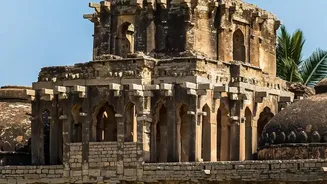
Your journey begins in Pune, a city that seamlessly blends the old and the new. After settling in, spend your first day acclimatising by exploring the city's historical heart. A visit to Shaniwar Wada, the 18th-century seat of the Peshwas of the Maratha
Empire, offers a glimpse into a glorious past, even with its now-ruined state. Nearby, the 8th-century Pataleshwar Cave Temple, carved from a single basalt rock, provides a quiet, spiritual start to your exploration of Maharashtra's rock-cut architecture. This gentle introduction sets the stage for the more rugged adventures that lie ahead, giving you a sense of the deep history etched into this region.
Day 2: The Majestic Climb to Sinhagad Fort
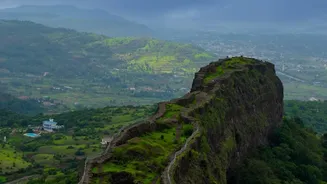
On day two, venture southwest of Pune to Sinhagad, the 'Lion's Fort'. This fortress is an icon of Maratha valour, most famous for the 1670 battle where Tanaji Malusare fought valiantly. You can either drive to the top or take the popular trekking route from the base village, a walk that takes about 90 minutes. At the summit, you are rewarded with panoramic views of the surrounding Sahyadri ranges. Explore the fort's ruins, memorials to warriors like Tanaji, and ancient water cisterns. The experience is a stark contrast to the previous day's city tour, immersing you in the military history and natural beauty of the region. Don't leave without trying the local delicacies like pithla bhakri, served hot by vendors on the fort.
Day 3: The Ancient Chaitya of Karla Caves
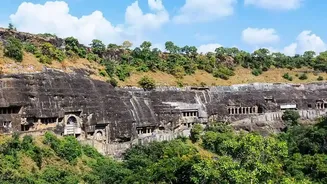
Travel from Pune towards Lonavala to witness a different kind of architectural marvel: the Karla Caves. Dating back to the 2nd century BCE, these rock-cut Buddhist caves are among the oldest and best-preserved in India. The main attraction is the Grand Chaitya, or prayer hall, which is the largest of its kind in the country. Its magnificent facade, vaulted ceiling with original wooden ribs, and intricately carved pillars are awe-inspiring. An active temple for the goddess Ekvira also shares the site, drawing many pilgrims. This visit offers a serene and spiritual counterpoint to the martial atmosphere of Sinhagad, highlighting the diverse heritage of Maharashtra.
Day 4: Trek to the Formidable Lohagad Fort
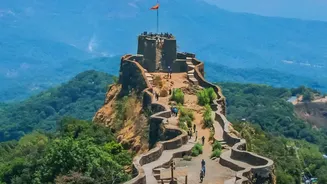
Today is dedicated to another of the great Maratha hill forts. Lohagad, or the 'Iron Fort', is a UNESCO World Heritage site known for its strategic location and well-preserved architecture. The trek from the base village of Lohagadwadi is considered easy, with a series of stone steps leading you up through four massive gates. The climb itself is an experience, making you feel like you're stepping back into a time of warriors. Once at the top, the fort offers a flat, expansive plateau to explore. The highlight is the 'Vinchu Kata' or Scorpion's Tail, a long, narrow fortified ridge that juts out from the main fort, providing stunning views of the Pawna reservoir and the surrounding landscape.
Day 5: Bhaja Caves and the Journey Home
Before concluding your trip, visit the Bhaja Caves, located near Lohagad. These 22 rock-cut caves are slightly older than Karla and offer a quieter, more rustic experience. Famous for their group of 14 stupas, they provide further insight into early Buddhist monastic life. A notable feature during the monsoon is the waterfall that flows beside the steps leading to the caves. The close proximity of Lohagad Fort and Bhaja Caves perfectly encapsulates the theme of this trip—the powerful blend of military might and spiritual peace. From here, you can begin your journey back, filled with memories of Maharashtra's varied and vibrant history.