




An Ancient Practice, Rediscovered
Before refrigerators, our ancestors used fermentation to preserve food. From Indian achars to German sauerkraut, cultures worldwide relied on this natural process. Today, the comeback isn't just about preservation; it's a conscious rebellion against a world of
ultra-processed, sterile foods. Consumers are increasingly seeking out foods that feel 'alive' and authentic. This trend taps into a deeper desire for connection—to our food, to tradition, and to the microbial world within us. It represents a shift from simply counting calories to nurturing our body's internal ecosystem, a concept that modern wellness has enthusiastically embraced.
The Science of Gut Health
So, what's all the fuss about? Fermentation is a process where microorganisms like bacteria and yeast break down sugars, creating beneficial compounds, enzymes, and probiotics. These probiotics are live 'good' bacteria that support our gut microbiome—the complex community of trillions of microbes living in our digestive tract. A healthy microbiome is linked to more than just good digestion. Emerging research suggests it plays a crucial role in our immune function, mood regulation (the 'gut-brain axis'), and even skin health. When you eat fermented foods, you're essentially reinforcing your gut's army of beneficial microbes, helping to maintain a healthy balance that can be disrupted by stress, poor diet, and antibiotics.
You're Already an Expert
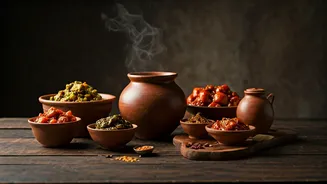
For many in India, this 'trend' is just a part of daily life. You've likely been eating fermented foods your whole life without labelling them as a wellness product. Think about the soft, fluffy idli or the crispy dosa, both made from fermented rice and lentil batter. The humble dahi (yoghurt) served with meals is teeming with probiotics. The tangy kick of dhokla and the sharp flavour of a homemade mango or lemon achar are also products of fermentation. These traditional foods are a testament to the fact that fermentation has always been integral to Indian cuisine, valued for both its flavour-enhancing properties and digestive benefits long before it became a global hashtag.
Global Stars on the Indian Plate
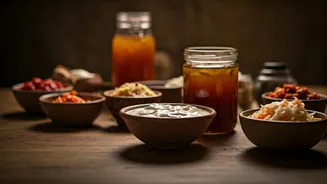
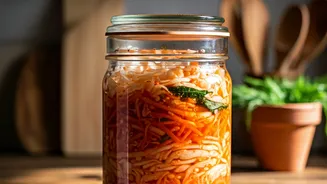
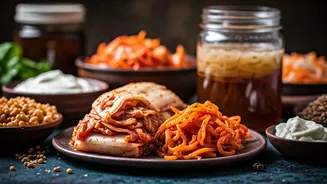
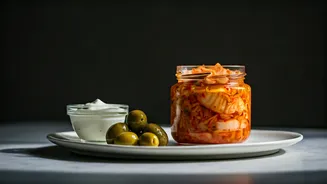
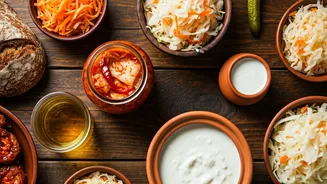
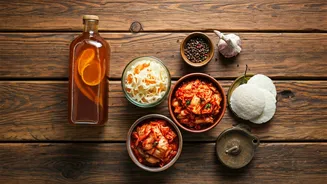
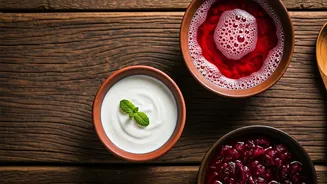
Alongside our beloved traditional foods, international fermented stars have found a firm footing in Indian cities. Kombucha, a fizzy, slightly sour fermented tea, is now a common alternative to sugary sodas. Kimchi, a spicy fermented cabbage from Korea, adds a powerful punch of flavour and probiotics to everything from fried rice to sandwiches. Kefir, a fermented milk drink similar to a thin yoghurt but often containing a wider variety of probiotic strains, is gaining popularity as a breakfast smoothie base. Then there's sauerkraut, fermented cabbage of European origin, which is a great addition to salads and wraps. These foods offer new flavours and textures, expanding our culinary and microbial horizons.
How to Get Started
Intrigued? Getting started is easy. You don't have to start brewing your own kombucha overnight. Begin by consciously incorporating more familiar fermented foods into your diet, like a daily bowl of dahi or having idli for breakfast. When you're ready to explore, try a store-bought bottle of kombucha from a reputable local brand or pick up a jar of kimchi. Start with small servings to see how your body responds. The key is variety. Different fermented foods contain different strains of bacteria, so eating a range of them is the best way to support a diverse and resilient gut microbiome. Listen to your body and enjoy the journey into this flavourful, functional world of food.